


Description
Alaska Fireweed Seeds – Native Perennial Wildflower for Pollinators
What Is Alaska Fireweed?
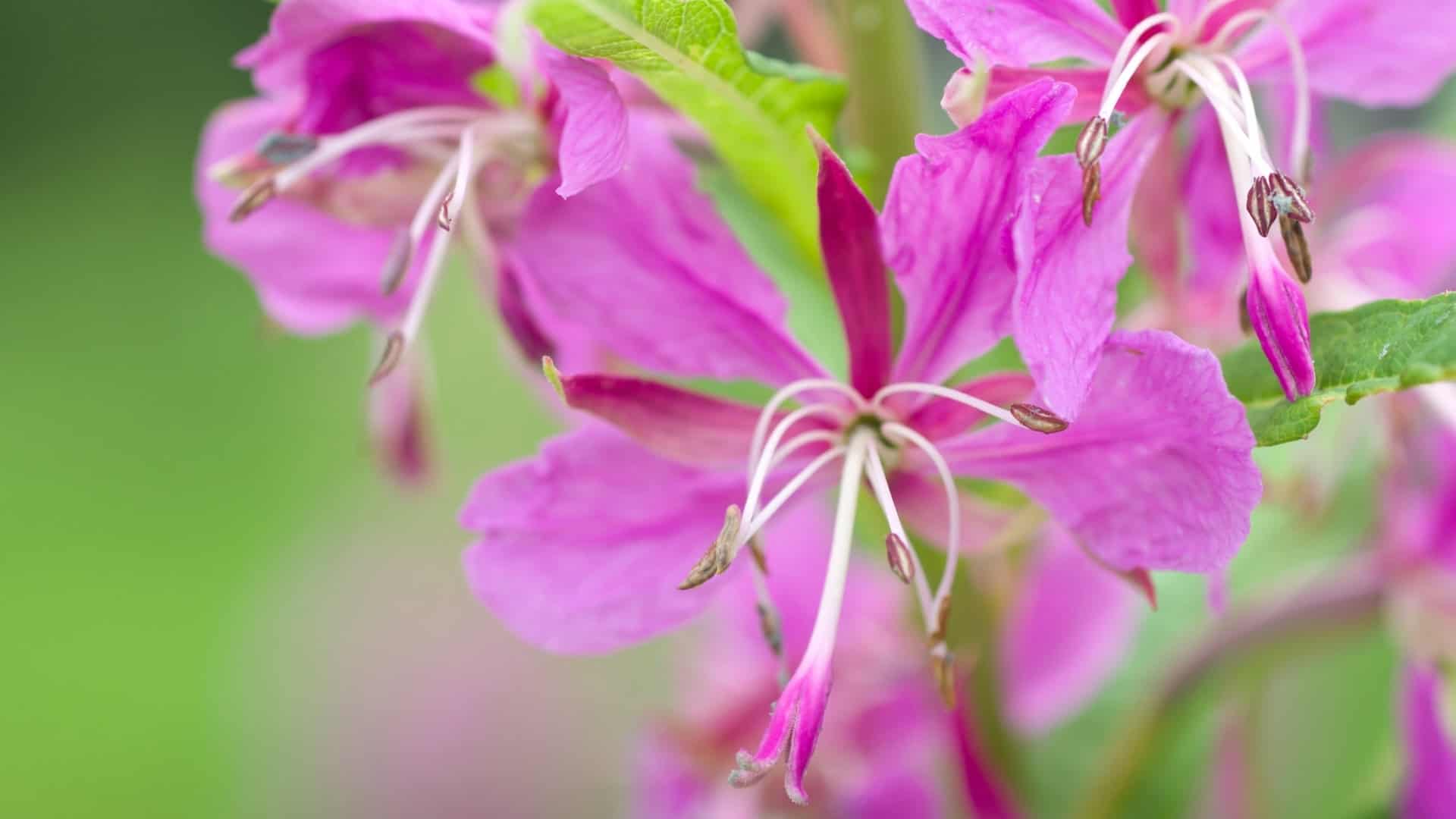
Alaska Fireweed (Chamerion angustifolium, also known as Epilobium angustifolium) is a hardy native perennial wildflower known for its tall stalks, vibrant magenta-pink flowers, and ability to colonize disturbed landscapes.
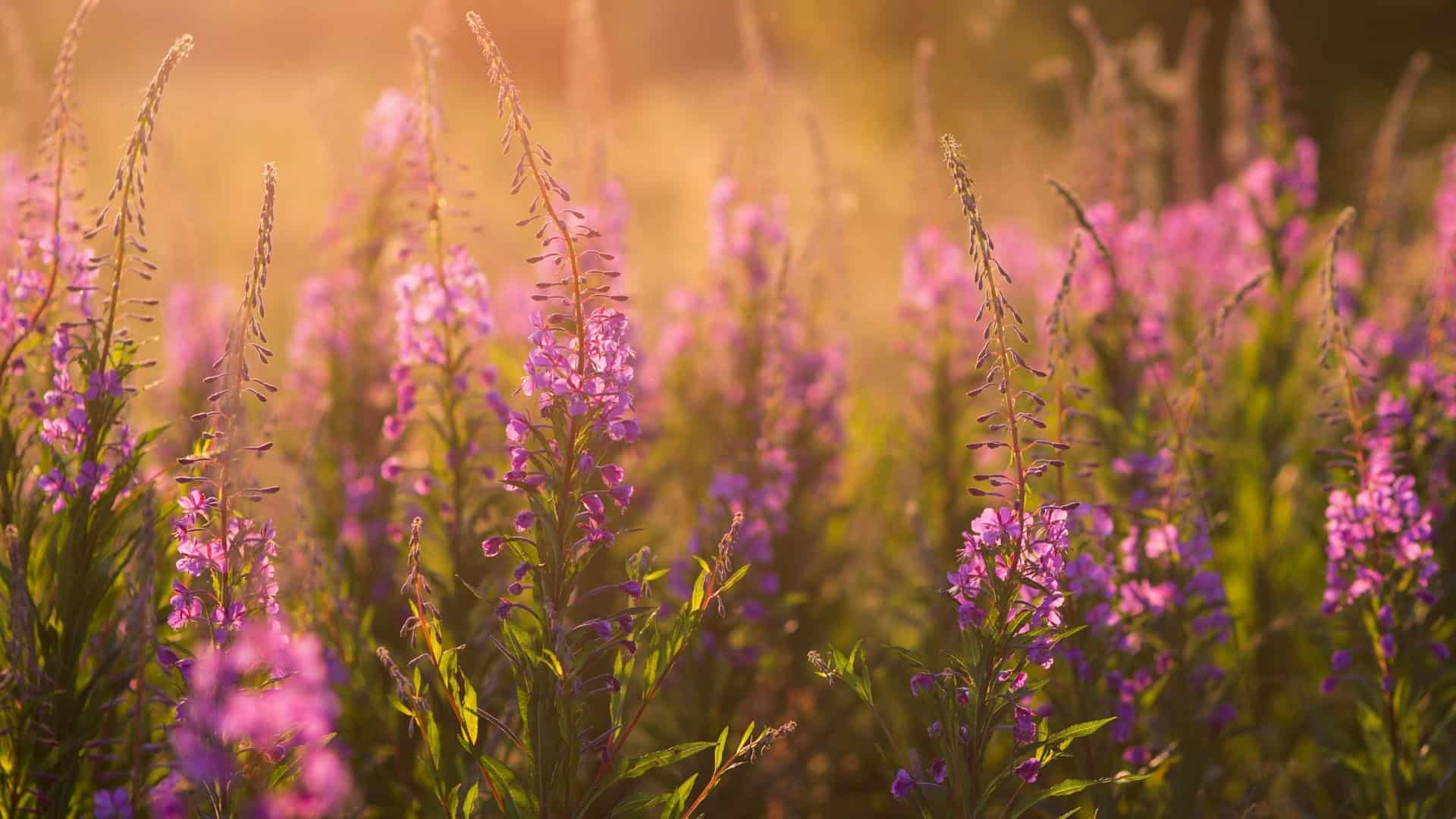
One of Alaska’s most recognizable wildflowers, fireweed brings brilliant color to roadsides, mountain slopes, meadows, and open spaces throughout the summer.
Its tall flower spikes are a familiar sight across the state and an important part of Alaska’s seasonal landscape.
At Seeds & Soil Farm in Palmer, Alaska, we grow and harvest fireweed seeds on our boutique-style micro seed farm.
Of all the wildflowers we grow, fireweed is my personal favorite—even though it is one of the most challenging seeds to harvest.
Its delicate, tiny seeds require careful timing and handling, making every harvest a rewarding part of our seed-growing season.
Why Grow Fireweed in Your Garden?
An Iconic Alaska Native Wildflower
Fireweed is deeply associated with Alaska’s landscapes and seasonal changes.
Its bright pink flowers create beautiful displays during summer, while its ability to colonize disturbed ground has made it a familiar symbol of recovery and renewal.
Attracts Bees and Other Pollinators
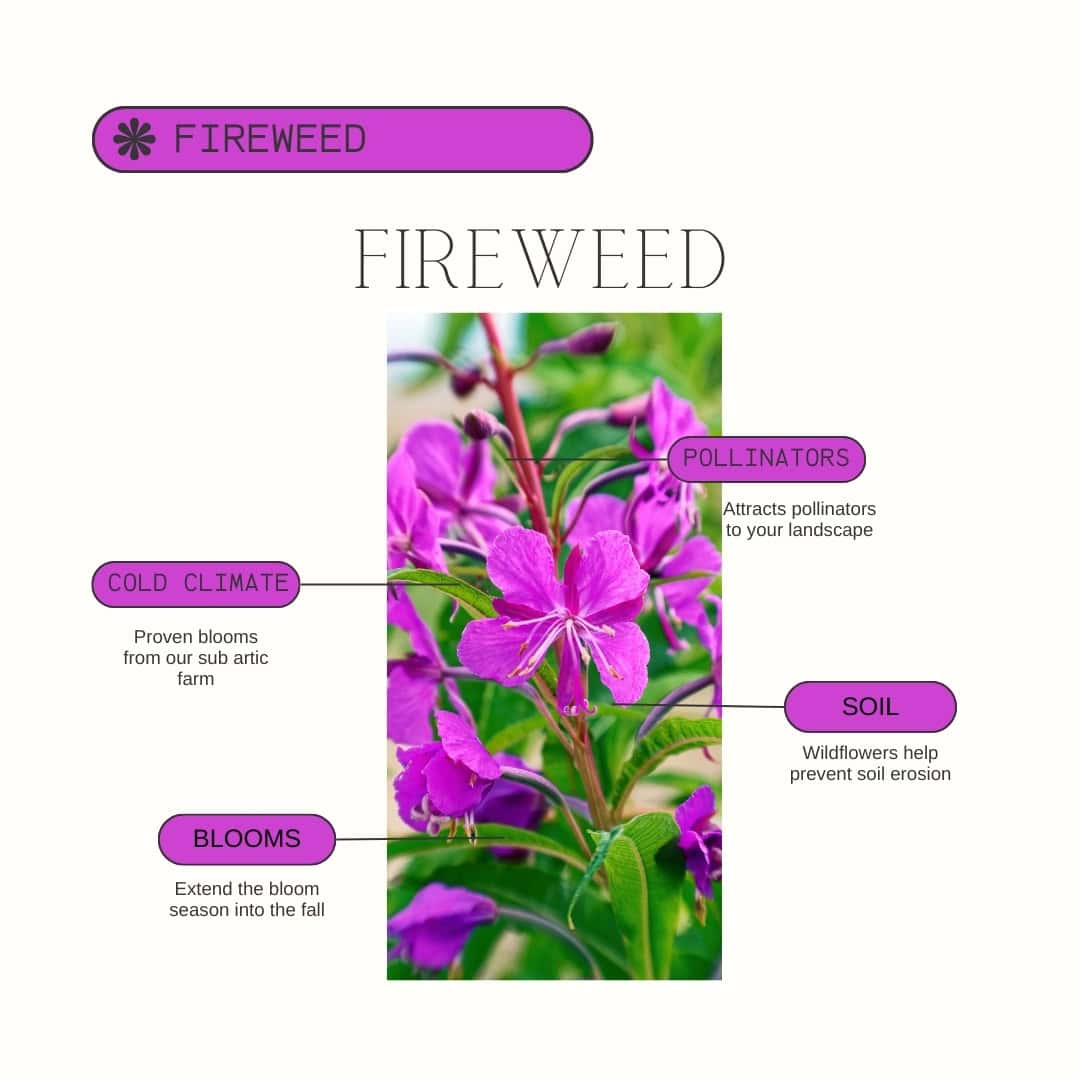
Fireweed flowers produce nectar that attracts bees and other pollinating insects.
Large flowering stands can provide valuable floral resources during the summer growing season.
Hardy Perennial for Northern Gardens
Fireweed is a hardy perennial that can return year after year when established in suitable conditions.
It grows naturally in many northern environments and is recommended for USDA Zones 2–7.
Beautiful in Naturalistic Landscapes
Fireweed can add height, color, and movement to informal flower gardens, wildflower areas, and larger managed landscapes.
Its upright flower spikes make a dramatic summer display.
A Fascinating Pioneer Plant
Fireweed is often among the early plants to colonize disturbed areas, including sites affected by wildfire, clearing, or other disruptions.
It helps reestablish plant cover and contributes to the ecological succession that follows disturbance.
How to Grow Fireweed From Seed
When Should You Plant Fireweed Seeds in Alaska?
Fireweed seeds can be sown directly outdoors in late fall or very early spring.
You can also start seeds indoors during late winter to establish seedlings before transplanting them outside when conditions are suitable.
At Seeds & Soil Farm, we have experimented extensively with fireweed germination and seed-starting techniques.
Our firsthand testing has shown that our fireweed seeds do not require cold stratification to germinate.
This is an important distinction because many gardeners assume that every Alaska wildflower must experience freezing temperatures before it can sprout.
How Deep Should Fireweed Seeds Be Planted?
Fireweed seeds should be surface-sown rather than buried.
The seeds are extremely small and require light for germination.
For best results:
- Prepare a fine, moist seed-starting surface.
- Scatter seeds evenly over the soil.
- Gently press the seeds against the surface to ensure good contact.
- Do not cover the seeds with soil.
- Keep the surface consistently moist during germination.
- Provide suitable light and avoid washing the seeds away with heavy watering.
A fine mist or gentle bottom-watering method can help prevent seed displacement.
How Many Fireweed Seeds Should I Sow?
For a naturalistic planting, an initial sowing rate of approximately 5–15 seeds per square foot can be used as a starting point.
Actual establishment will depend on germination, site conditions, competing vegetation, and seedling survival.
Because mature fireweed spreads through underground rhizomes, avoid overcrowding established plants.
Where Does Fireweed Grow Best?
Fireweed generally performs well in open areas with ample sunlight and suitable drainage.
It is frequently found in disturbed soils, slopes, roadsides, and other open landscapes.
For garden cultivation, select a location where the plants can receive adequate sunlight and have room to spread.
How Much Water Does Fireweed Need?
Keep the seedbed consistently moist during germination and early establishment.
Established fireweed can tolerate a range of growing conditions, but moisture needs depend on soil type, weather, and site exposure.
Avoid prolonged waterlogging.
Why Does Fireweed Grown From Seed Look Different From Mature Fireweed?
This is one of the most important things to understand when growing fireweed from seed.
Seed-grown fireweed often looks much smaller and more delicate than the tall shoots emerging from an established fireweed colony.
There are several reasons for this difference.
1. Seedlings Must Establish Their Own Root Systems
Young fireweed plants begin as small seedlings with limited energy reserves.
They must develop roots and foliage before they can support vigorous aboveground growth.
An established colony already has an underground network of rhizomes that can support new shoots.
2. Rhizomes Store Energy
Mature fireweed colonies produce new shoots from underground rhizomes.
These shoots benefit from stored energy, allowing them to grow taller and more vigorously early in the season.
Seed-grown plants must build those reserves over time.
3. Seedlings Are Genetically Individual Plants
Fireweed grown from seed can show natural variation in appearance, including differences in leaf shape, growth rate, and color.
Shoots produced from the same rhizome system are genetically identical and may appear more uniform.
4. Growing Conditions Affect Appearance
Young plants started in containers or new garden beds may experience different light, soil, moisture, and root conditions than established colonies.
These differences can affect early growth.
What Happens as Seed-Grown Fireweed Matures?
As seedlings establish stronger root systems and begin developing rhizomes, their growth becomes more characteristic of mature fireweed.
By the second growing season, plants may become noticeably more vigorous, although development varies according to growing conditions.
Small first-year seedlings are normal and do not necessarily indicate poor plant health.
How Tall Does Fireweed Grow?
Fireweed commonly reaches approximately 3–5 feet tall in Alaska gardens, although mature plants may be shorter or taller depending on soil, moisture, light, and growing conditions.
Its flower spikes can create a dramatic vertical display.
When Does Fireweed Bloom in Alaska?
Fireweed generally flowers during summer, commonly from July into August or early September, depending on location, elevation, and seasonal conditions.
Its distinctive pink flower spikes are a familiar feature of Alaska’s summer landscapes.
Does Fireweed Spread?
Yes. Fireweed spreads through both seeds and underground rhizomes.
Over time, an established planting may develop into a colony.
This natural spreading habit makes fireweed well suited to larger naturalistic garden areas, but it should be considered carefully in small or highly maintained flower beds.
Plant fireweed where its growth can be monitored and managed.
Fireweed’s Ecological and Cultural Importance
Fireweed is often one of the first flowering plants to establish after disturbances such as wildfires.
As a pioneer species, it contributes to the early stages of vegetation recovery by providing plant cover and floral resources.
Its flowers support pollinators, and its presence is an important part of many northern ecosystems.
Fireweed also has a history of traditional culinary and cultural uses in Alaska and other northern regions.
Young shoots and leaves have been used as food, while flowers are sometimes used to make syrups and jellies.
However, this seed product is sold for cultivation, not as a food or medicinal product. Proper plant identification, safe harvesting practices, and food preparation are essential for any intended consumption.
Frequently Asked Questions About Alaska Fireweed Seeds
How do you grow fireweed from seed?
Surface sow fireweed seeds onto moist, prepared soil and gently press them into place. Do not bury them. Maintain adequate light and moisture during germination, then provide suitable growing conditions as seedlings develop.
Do fireweed seeds need cold stratification?
No. Based on extensive germination testing at Seeds & Soil Farm in Alaska, our fireweed seeds do not require cold stratification to germinate. Other seed lots and growing conditions may produce different results.
When should I sow fireweed seeds in Alaska?
Fireweed can be direct-sown in late fall or very early spring. Seeds can also be started indoors during late winter and transplanted outside when conditions are suitable.
Should I cover fireweed seeds with soil?
No. Fireweed seeds are very small and require light for germination. Press them gently onto the soil surface without covering them.
How many fireweed seeds come in a packet?
Each Seeds & Soil Farm packet contains approximately 100 tiny fireweed seeds.
How many fireweed seeds should I plant per square foot?
Approximately 5–15 seeds per square foot can be used as an initial sowing guideline for naturalistic planting. Adjust according to germination, site conditions, and the desired planting density.
Why are my fireweed seedlings so small?
Fireweed seedlings initially invest energy in developing their own root systems. Shoots emerging from established rhizomes have stored energy available and often grow much more vigorously. Seed-grown plants may become larger as they mature and establish rhizomes.
Is fireweed a perennial?
Yes. Fireweed is a hardy perennial that can return each year through its underground root and rhizome system.
Does fireweed spread underground?
Yes. Fireweed spreads through underground rhizomes and can form colonies over time. It also produces seeds that can disperse to suitable growing sites.
How tall does fireweed grow?
Fireweed commonly grows 3–5 feet tall in Alaska gardens, although mature height varies with environmental conditions.
When does fireweed bloom in Alaska?
Fireweed typically blooms during the summer, often from July through August and sometimes into early September, depending on location and weather.
Is fireweed native to Alaska?
Yes. Fireweed, Chamerion angustifolium, is native to Alaska and occurs naturally across much of the Northern Hemisphere.
Is fireweed good for pollinators?
Yes. Fireweed flowers provide nectar for bees and other pollinating insects, making them a useful component of pollinator-friendly landscapes.
Where does fireweed grow best?
Fireweed generally grows well in sunny, open areas with suitable drainage. It frequently colonizes disturbed soil and can establish in naturalistic garden settings.
Can I grow fireweed in containers?
Fireweed can be started in containers, but mature plants spread through rhizomes and may eventually outgrow small pots. In-ground planting is generally better for long-term colony development.
What USDA zones can fireweed grow in?
Fireweed is recommended for USDA Zones 2–7. Actual performance depends on local climate, soil, moisture, and growing conditions.
Where can I buy Alaska-grown fireweed seeds?
Seeds & Soil Farm – Alaska’s Seed Company offers fireweed seeds grown and harvested on our boutique-style Alaska seed farm. Each packet contains approximately 100 seeds and includes planting guidance.
Learn More About Growing Fireweed in Alaska
For additional growing information, visit our educational resources:
Growing Fireweed From Seed in Alaska
Alaska Seeds – Gardening Tips and Stories
Interested in planting several wildflower species? Explore our Alaska Wildflower Seed Bundle featuring fireweed, forget-me-not, lupine, yarrow, and iris.
Grow a Piece of Alaska’s Natural Beauty
Fireweed represents the resilience and remarkable beauty of Alaska’s landscapes.
From its brilliant summer flowers to its role in helping disturbed landscapes recover, it is a plant with both ornamental and ecological value.
Our fireweed seeds are grown and harvested with care on our Alaska micro seed farm.
Bring Alaska’s iconic pink wildflower into your own garden with Seeds & Soil Farm.


Reviews
There are no reviews yet.