


Description
Sunflower Seed Dwarf Sunspot Brighten up your garden with the cheerful radiance of our Heirloom Dwarf Sunspot Sunflower Seeds. Open pollinated to ensure the most vibrant and healthy growth, these seeds bring the joy and beauty of sunflowers to any garden, big or small.
Sunflower Seed Dwarf Sunspot are a part of heirloom heritage, hailing from a lineage of plants that have been cherished and cultivated over generations. These sunflowers are known for their large, golden-yellow blooms atop short, sturdy stems, making them a perfect fit for both garden beds and containers.
The open pollination process guarantees a diverse genetic pool, resulting in sunflower plants that are more resilient and blooms that are more vibrant. This natural method of pollination also contributes to a healthier ecosystem by supporting our valuable pollinators.
Growing Dwarf Sunspot Sunflowers from our open-pollinated, heirloom seeds is a delightful gardening project that rewards you with a display of sunny blooms each summer. Suitable for gardeners of all skill levels, these seeds offer an easy and fulfilling gardening experience.
Choose our Heirloom Dwarf Sunspot Sunflower Seeds today, and let your garden shine with the sunny charm of these delightful sunflowers.”
Key Features:
- Heirloom Quality: Our Dwarf Sunspot Sunflower seeds come from traditionally cherished varieties, promising an authentic and beautiful gardening experience.
- Open Pollinated: These seeds are naturally pollinated, enhancing genetic diversity and the health and beauty of your plants.
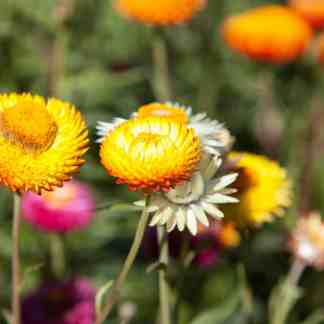
- Sunny Blooms: Cultivate your own Dwarf Sunspot Sunflowers, known for their large, golden-yellow blooms that add a splash of sunshine to any garden.
Annual dwarf sunflower can produce up to 10″ heads
Roughly 3.5′ Tall and a heavy seed producer
A perfect addition to any cottage garden
Attracts all the pollinators
Minimum 10 seeds per packet
Garden tips and stories: https://seedsandsoilorganics.com/2022/11/06/alaska-seeds/
Growing Sunflowers
Soil Preparation
- Soil Type: Sunflowers prefer well-draining soil with a pH between 6.0 and 7.5.
- Soil Preparation: Work organic matter, such as compost or aged manure, into the soil to enhance fertility and drainage. Sunflowers thrive in fertile soil.
Planting
- Direct Sowing:
- Timing: Sow sunflower seeds directly outdoors after the last frost date when the soil temperature is consistently above 60°F (15°C).
- Spacing: Sow seeds 1 inch deep, spaced 6-12 inches apart, depending on the variety. Space rows 24-36 inches apart.
- Succession Sowing:
- Purpose: Succession sowing helps extend the blooming period and ensures a continuous harvest of flowers.
- Timing: Sow a new batch of seeds every 2-3 weeks until mid-summer. This will stagger the flowering times and provide a longer display of blooms.
Watering
- Frequency: Water deeply and regularly, especially during dry periods. Sunflowers need consistent moisture to grow tall and produce large blooms.
- Technique: Water at the base of the plants to avoid wetting the foliage and reducing the risk of disease.
Fertilizing
- Initial Fertilization: Incorporate a balanced, slow-release fertilizer into the soil at planting time if needed.
- Ongoing Fertilization: Sunflowers generally do not require additional fertilization, but a light feeding of a balanced fertilizer or compost can be beneficial if the soil is poor.
Care
- Weeding: Keep the area around the plants weed-free to reduce competition for nutrients and water. Hand-pull weeds to avoid disturbing the sunflower roots.
- Mulching: Apply a layer of organic mulch around the plants to help retain soil moisture and suppress weeds.
Pests and Diseases
- Pests: Watch out for aphids, sunflower beetles, and squirrels. Use insecticidal soap or traps if infestations occur.
- Diseases: Sunflowers can be susceptible to rust and powdery mildew. Ensure good air circulation and avoid overhead watering to minimize disease risks.
Indoor Seed Starting
Materials Needed
- Seed starting trays or pots
- Seed starting mix
- Sunflower seeds
- Watering can or spray bottle
- Grow lights or a sunny windowsill
- Plastic wrap or a humidity dome
Steps
- Timing: Start sunflower seeds indoors 6-8 weeks before the last expected frost date.
- Fill Trays: Fill seed starting trays or pots with a high-quality seed starting mix.
- Sow Seeds: Sow sunflower seeds ½ inch deep in the seed starting mix. Space seeds 1-2 inches apart in the trays or pots.
- Water: Moisten the soil gently with a watering can or spray bottle. Ensure the soil is damp but not waterlogged.
- Cover: Cover the trays with plastic wrap or a humidity dome to retain moisture and create a warm environment.
- Light: Place the trays under grow lights or in a sunny windowsill. Sunflower seeds need light to germinate and grow best with 14-16 hours of light per day.
- Temperature: Maintain a consistent temperature of 70-80°F (21-27°C) for optimal germination.
- Germination Time: Sunflower seeds typically germinate in 7-10 days.
- Watering: Keep the soil consistently moist but not waterlogged. Water from the bottom if possible to avoid disturbing the seedlings.
Transplanting
- Timing: Once seedlings have developed 2-4 true leaves and the danger of frost has passed, harden them off by gradually exposing them to outdoor conditions over a week.
- Spacing: Transplant the seedlings into the garden, spacing them 6-12 inches apart, depending on the variety.
Harvesting
- Timing: Sunflowers are typically ready to harvest when the back of the flower head turns yellow and the seeds are plump and firm. This is usually 70-100 days after planting, depending on the variety.
- Method: Cut the flower heads with a sharp knife or pruners, leaving a few inches of stem. If you’re harvesting seeds, let the flower heads dry in a cool, dry place before removing the seeds.
Storage
- Preparation: After harvesting, remove the seeds from the flower heads and clean them.
- Storage Conditions: Store sunflower seeds in an airtight container in a cool, dry place. They can also be refrigerated for longer storage.
By following these steps for indoor seed starting and succession sowing, you’ll be able to enjoy a vibrant display of sunflowers throughout

Reviews
There are no reviews yet.