




Description
Alaska Food Security Seed Bundle – 20 Vegetable & Herb Seed Packets
Grow More Food. Build Greater Self-Reliance.
Our Alaska Food Security Seed Bundle includes 20 individually packaged vegetable and herb seed varieties selected for growing food in Alaska’s short northern growing season.
A productive garden is about more than growing vegetables. It’s about knowing where your food comes from, developing practical gardening skills, enjoying fresh harvests, and creating opportunities to preserve food for later use.
At Seeds & Soil Farm in Palmer, Alaska, we’ve spent years growing and evaluating vegetable varieties for northern conditions.
This collection brings together 20 essential crops to help gardeners create a diverse, productive garden with vegetables for fresh eating, cooking, preserving, and storage.
From the first spring spinach harvest to fall-harvested carrots, beets, and rutabagas, this collection is designed to support food production throughout the growing season.
20 seed packets for $90 — only $4.50 per packet.
What’s Included in the Alaska Food Security Seed Bundle?
Your collection includes 20 individual seed packets representing a diverse range of vegetable and herb crops.
Leafy Greens
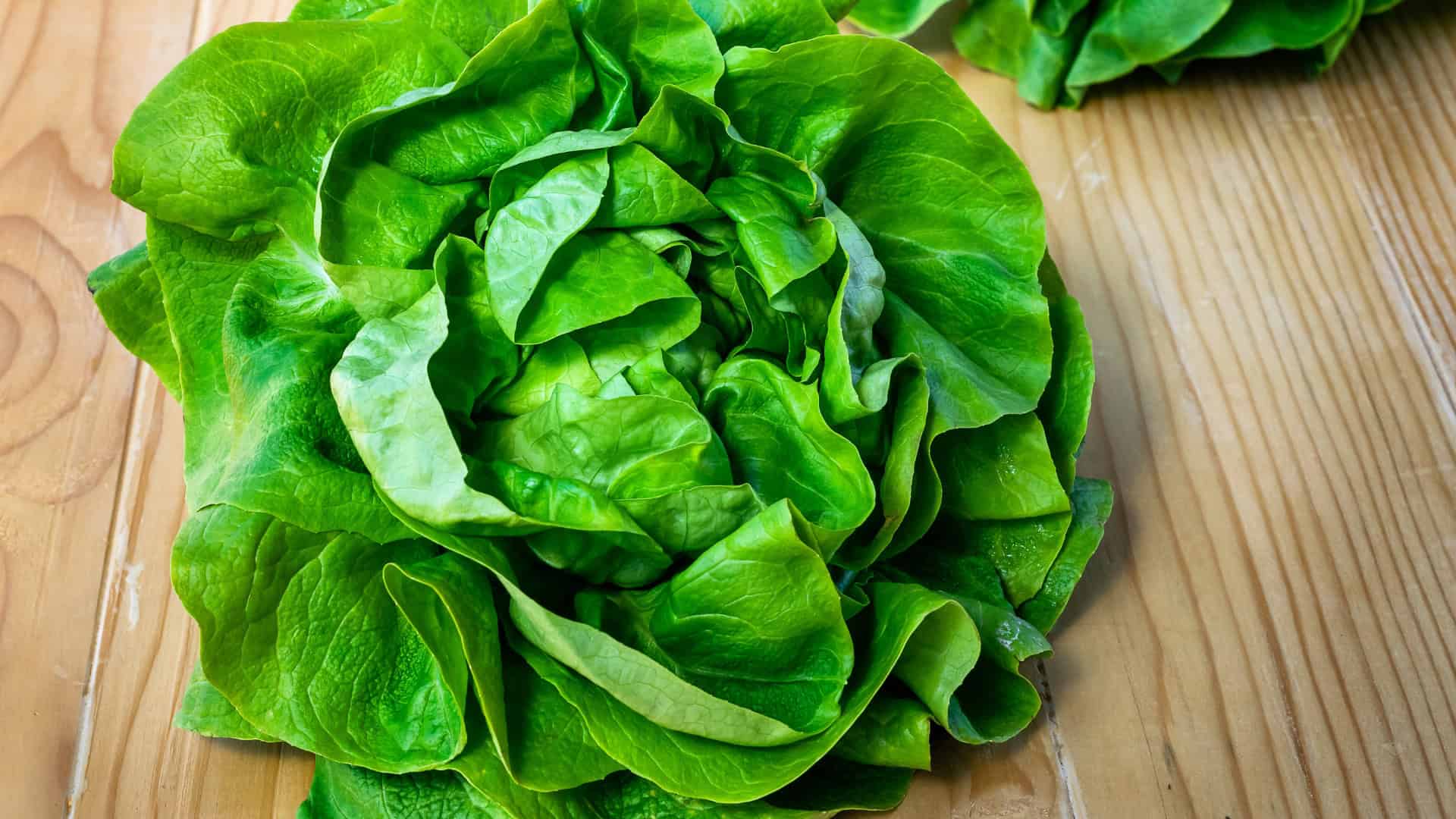
1. Lettuce
Lettuce is an excellent cool-season crop for Alaska gardens. It grows best in fertile, well-drained soil with consistent moisture.
Sow directly in early spring or late summer. Harvest outer leaves as needed or harvest whole heads, depending on the variety.
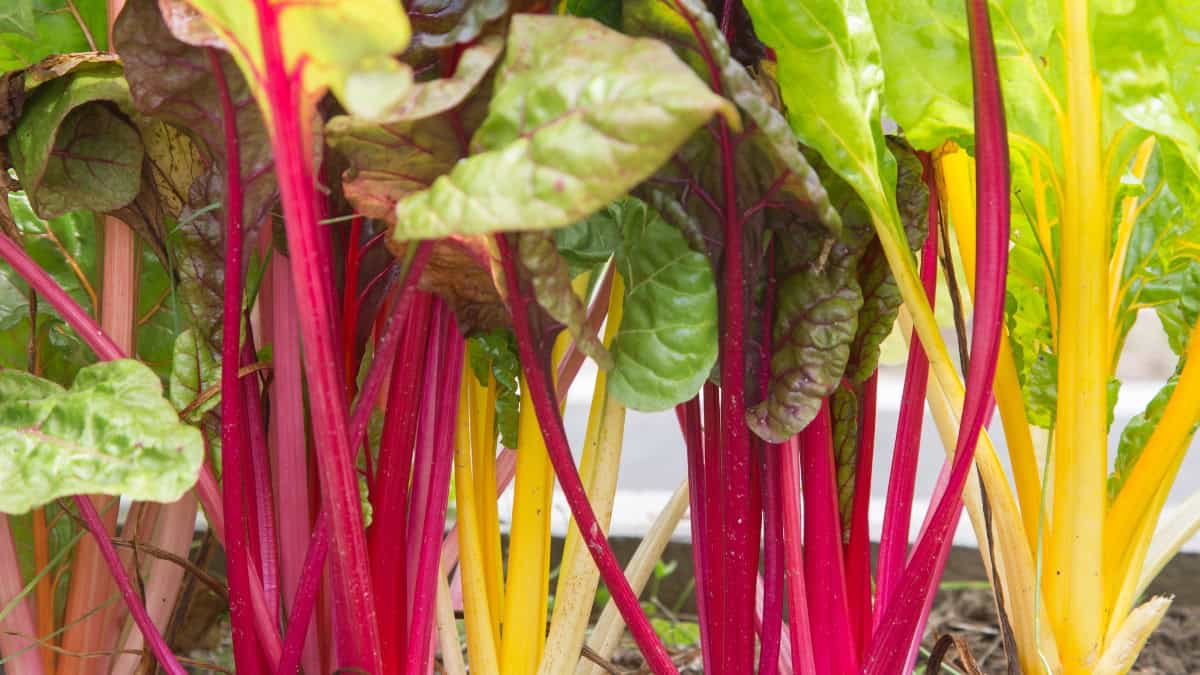
2. Swiss Chard
Swiss chard provides nutritious leaves and colorful stems throughout the growing season.
Plant in full sun to partial shade in fertile, well-drained soil. Harvest outer leaves regularly while allowing the center of the plant to continue growing.
3. Kale
Kale is one of the most useful vegetables for northern gardens because of its tolerance for cool temperatures and light frosts.
Sow directly or start indoors for transplanting. Harvest outer leaves as plants mature.
4. Spinach
Spinach thrives in cool weather and can be an excellent early-season or late-season crop.
Sow directly in spring or late summer, keeping soil consistently moist. Long summer daylight can encourage bolting, so planting time and variety selection are important.
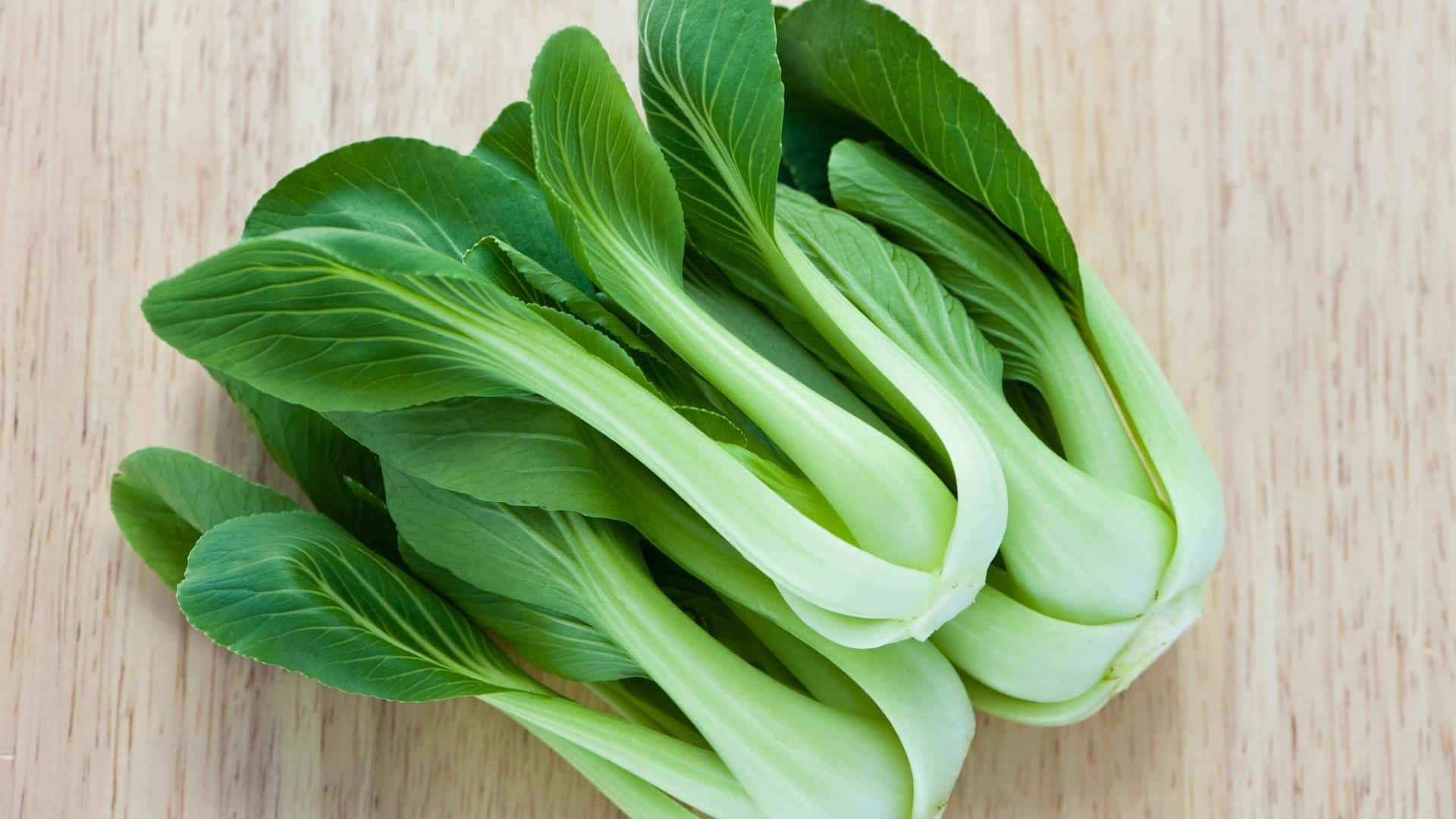
5. Pak Choy
Pak choy is a fast-growing Asian green with tender leaves and crisp stems.
Grow in fertile, moist soil during cool conditions. Spring and late-summer plantings can help reduce premature bolting.
6. Mustard Greens
Mustard greens are productive, flavorful leafy vegetables suited to cool-season gardening.
Sow directly and harvest young leaves for a milder flavor or mature leaves for a stronger, peppery taste.
7. Mizuna
Mizuna produces tender, deeply divided leaves that are excellent for salads and cooked dishes.
It grows well in cool weather and can be harvested young or allowed to mature.
8. Arugula
Arugula is a quick-growing leafy green known for its distinctive peppery flavor.
Sow directly in cool weather and harvest young leaves. Succession planting can help provide multiple harvests.
Root Vegetables
9. Carrots
Carrots are an essential crop for gardeners interested in fresh eating and winter food storage.
Sow directly into deep, loose soil and maintain even moisture during germination. Thin seedlings to provide adequate room for root development.
10. Radish
Radishes are among the fastest-growing vegetables in a northern garden.
Sow directly in cool weather and harvest promptly for the best texture and flavor.
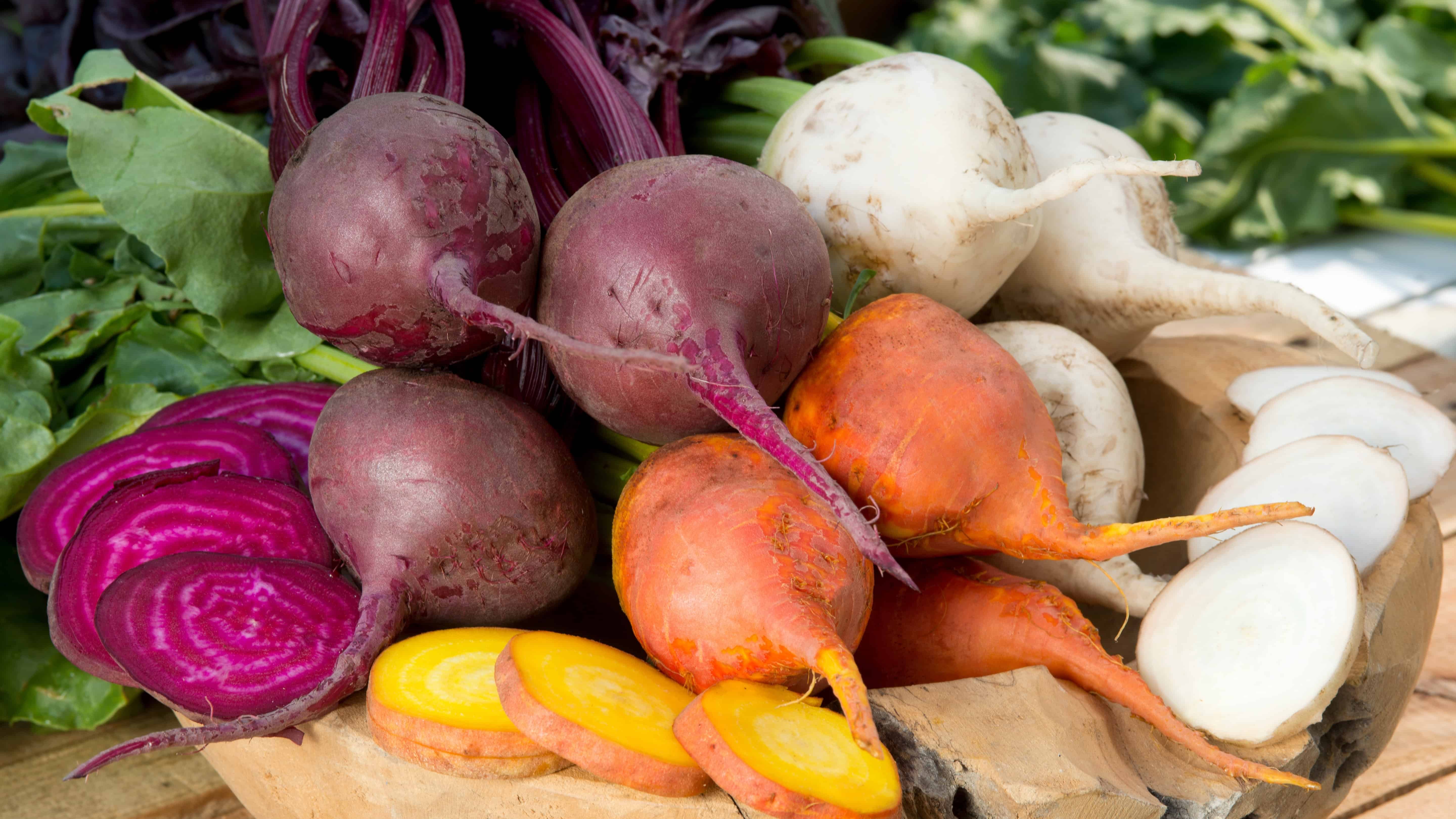
11. Beets
Beets provide both edible roots and nutritious greens.
Sow directly into fertile, well-drained soil. Thin seedlings as needed to encourage healthy root development.
12. Rutabaga
Rutabagas are particularly valuable for northern food gardens because they develop well in cool conditions and can be stored after harvest.
Sow directly with enough time for roots to mature before the end of the growing season.
Brassicas and Cole Crops
13. Cauliflower
Cauliflower prefers cool temperatures, fertile soil, and consistent moisture.
Start seeds indoors approximately 4–6 weeks before transplanting. Protect young plants from damaging frost and temperature extremes.
14. Broccoli
Broccoli is a productive vegetable for Alaska’s cool growing conditions.
Start seeds indoors approximately six weeks before transplanting or use suitable direct-seeding methods. Harvest the main head before flower buds open.
Some varieties produce additional side shoots after the central head is harvested.
Peas and Fruiting Crops
15. Peas
Peas thrive in cool weather and are a favorite crop for Alaska gardeners.
Direct sow as soon as soil conditions are suitable. Provide support for climbing varieties and harvest pods regularly.
16. Tomatoes
Tomatoes are a valuable addition to a food-producing garden, providing fresh fruit for salads, cooking, sauces, and preservation.
Start seeds indoors approximately 6–8 weeks before transplanting. Tomatoes need warmth, strong light, and frost protection.
In Alaska, greenhouses, high tunnels, and sheltered growing locations can improve reliability.
17. Squash
Squash provides versatile fruits for fresh eating and cooking.
Start seeds indoors shortly before transplanting or direct sow after soil temperatures are sufficiently warm.
Provide full sun, adequate moisture, and enough room for mature plants.
Squash is a warm-season crop and benefits from season extension in Alaska.
Onions and Culinary Herbs
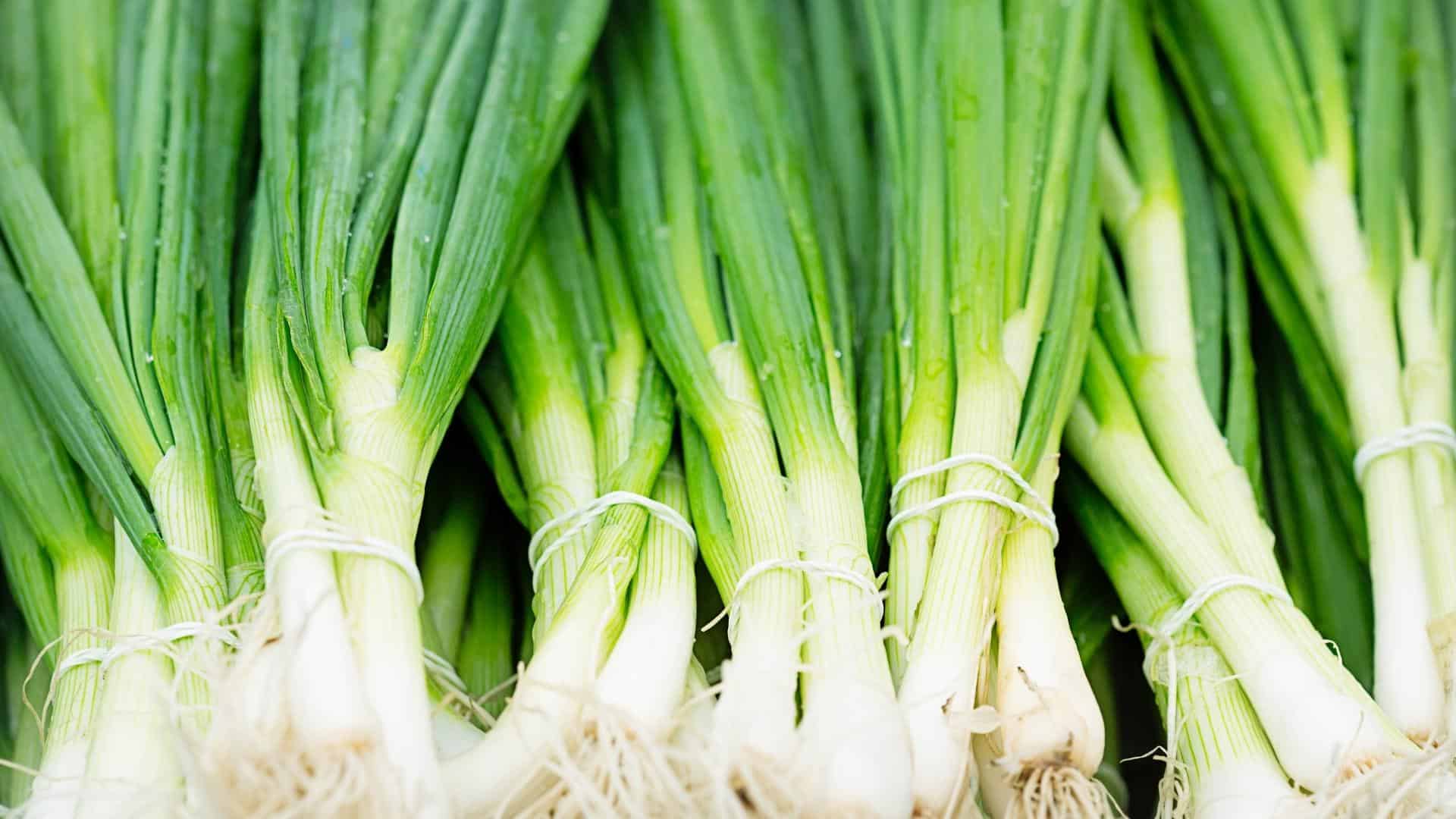
18. Onions
Onions are a useful crop for cooking and, depending on the variety, long-term storage.
Start seeds indoors early enough to develop sturdy transplants. Plant in fertile, well-drained soil and maintain consistent moisture during active growth.
Bulb formation depends partly on day length, making variety selection especially important in Alaska.
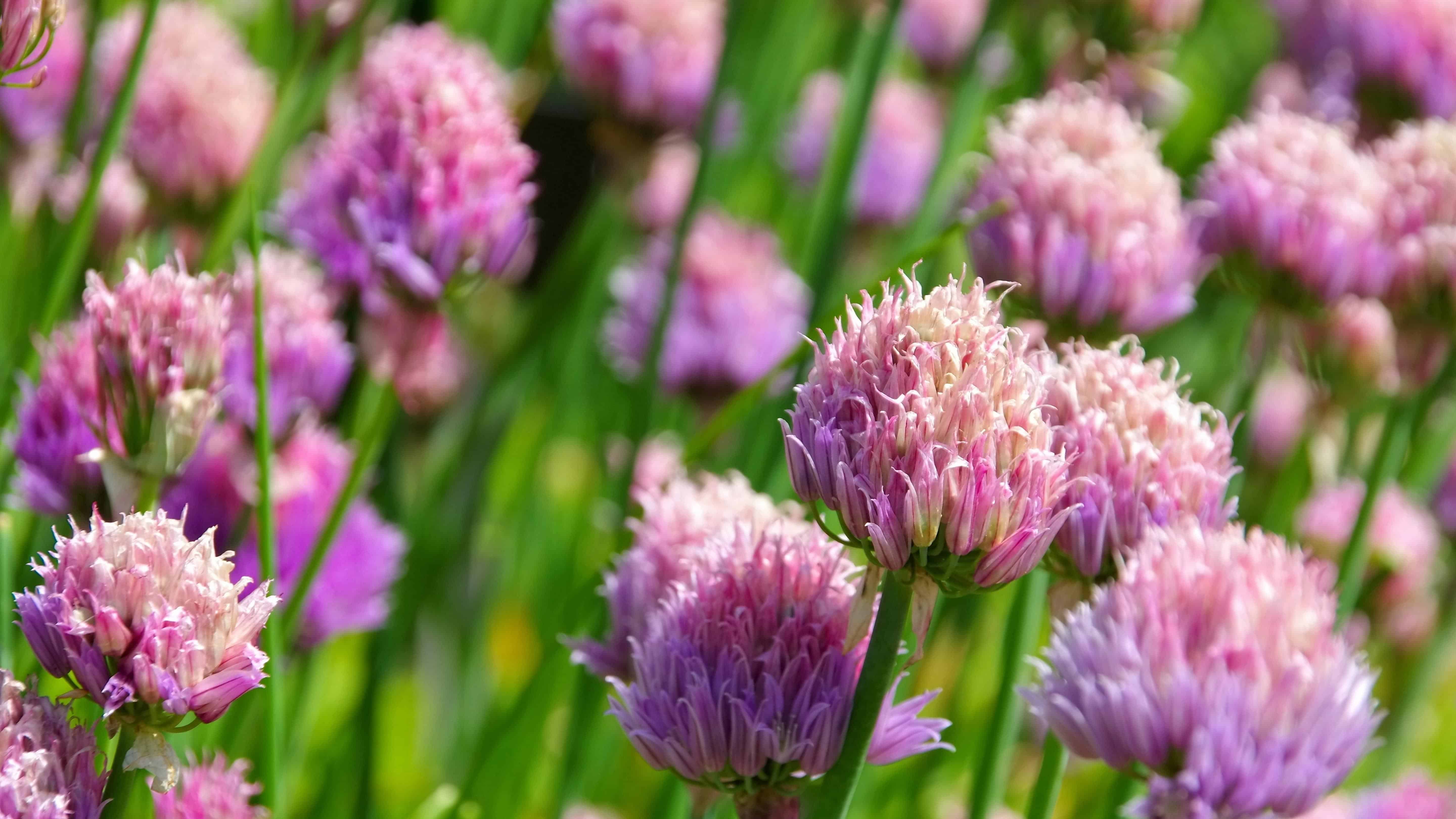
19. Chives
Chives are a hardy perennial culinary herb that can provide flavorful leaves year after year.
Grow in full sun or partial shade and harvest leaves regularly.
20. Dill
Dill is a versatile herb used in cooking, pickling, and seed production.
Direct sow in full sun and well-drained soil. Harvest leaves during vegetative growth and allow some plants to flower if seed production is desired.
Why Choose Our Food Security Seed Bundle?
1. Build a More Diverse Food-Producing Garden
A productive food garden benefits from growing different types of crops.
This collection includes leafy greens, root vegetables, brassicas, peas, fruiting vegetables, and herbs.
Different crops provide different harvests, nutritional benefits, and opportunities for food preparation.
2. Grow Vegetables for Fresh Eating and Storage
Some crops in this bundle are especially useful for immediate harvest, while others may be stored or preserved for later use.
Carrots, beets, rutabagas, and suitable onion varieties can contribute to a storage-focused garden.
Tomatoes, peas, greens, herbs, and squash offer additional opportunities for cooking, freezing, drying, or other appropriate preservation methods.
3. Selected for Northern Growing Conditions
At Seeds & Soil Farm, we understand the challenges of gardening in Alaska.
Our short growing season, long summer daylight hours, cool soil, and variable temperatures make crop selection and planting time especially important.
This bundle combines cool-season vegetables with warm-season crops that can be grown using appropriate protection and season-extension techniques.
4. Open-Pollinated Seeds
All varieties in this collection are open-pollinated, and most are heirlooms.
Open-pollinated varieties offer gardeners opportunities to learn seed-saving techniques and maintain favored varieties over time.
Some crops require isolation or special seed-saving practices to maintain varietal purity.
5. A Practical Starting Point for New Gardeners
Beginning a food garden can feel overwhelming when choosing individual seed packets.
This collection provides a diverse selection of useful crops in one purchase.
Gardeners can learn how to grow different vegetables while developing skills in seed starting, direct sowing, transplanting, harvesting, and food preservation.
6. A Valuable Collection for Experienced Gardeners
Experienced gardeners can use the bundle to diversify existing garden beds, plan succession plantings, and expand the range of crops they grow.
The collection offers opportunities to experiment with different growing methods and improve seasonal food production.
When Should You Start These Seeds in Alaska?
Not all 20 crops should be started at the same time.
Successful Alaska gardening depends on matching seed-starting and transplanting dates to each crop’s requirements.
Crops Commonly Started Indoors
Tomatoes, onions, broccoli, and cauliflower are often started indoors before outdoor transplanting.
Onions generally need an earlier start than tomatoes and many brassicas.
Squash may be started indoors shortly before transplanting, but avoid keeping young squash plants in containers for too long.
Crops Commonly Direct-Sown Outdoors
Carrots, radishes, beets, peas, spinach, arugula, dill, and rutabagas are generally well suited to direct sowing.
Other leafy greens may be direct-sown or transplanted depending on the season and growing plan.
Planning Around Alaska’s Last Frost
In many Southcentral Alaska locations, late May through early June is an important period for evaluating outdoor transplanting conditions.
However, frost dates and soil temperatures vary considerably across Alaska.
Cool-season crops may be planted earlier when soil conditions are suitable, while tomatoes and squash require greater warmth and frost protection.
Use local conditions and crop-specific requirements rather than starting every packet on the same date.
How Much Garden Space Do You Need?
A small planting representing all 20 crops may fit into approximately 100–150 square feet when using careful spacing, compact varieties, containers, and intensive gardening methods.
However, larger crops such as squash and tomatoes may require significant additional space.
For more substantial food production, approximately 200–500 square feet or more provides greater flexibility.
The amount of food harvested depends on plant numbers, crop selection, soil fertility, climate, pest pressure, and garden management.
This collection is a foundation for a food-producing garden, not a guarantee of a particular harvest volume or household food supply.
Can You Grow This Collection in a Greenhouse?
Yes. The collection includes crops suitable for greenhouse growing, outdoor beds, raised beds, and other managed growing spaces.
However, different crops have different temperature preferences.
Tomatoes and squash benefit from warm growing conditions.
Spinach, peas, lettuce, broccoli, and other cool-season vegetables may perform better in cooler areas or during spring and fall.
A greenhouse is useful, but it is not necessary for every crop in the collection.
How Does Growing Your Own Food Support Food Security?
Home gardening can contribute to household food security by providing an additional source of fresh produce and opportunities to preserve seasonal harvests.
A diverse vegetable garden can also help gardeners build practical skills, become familiar with local growing conditions, and make better use of available garden space.
Food security is not achieved through seed ownership alone. Successful production requires suitable growing conditions, planning, water, soil fertility, equipment, and ongoing care.
This bundle provides a starting point for building those skills and growing more food at home.
Frequently Asked Questions About the Alaska Food Security Seed Bundle
What is included in the Food Security 20 Seed Bundle?
The bundle contains 20 individually packaged vegetable and herb seed varieties: lettuce, Swiss chard, carrots, cauliflower, broccoli, chives, kale, tomatoes, spinach, peas, radish, beets, pak choy, mustard greens, mizuna, squash, onions, rutabaga, arugula, and dill.
How much does the Food Security Seed Bundle cost?
The collection is priced at $90 for 20 seed packets, equivalent to $4.50 per packet.
Are these seeds suitable for Alaska gardens?
Yes. The collection is selected for Alaska’s short growing season. Many crops thrive in cool weather, while tomatoes and squash require warm growing conditions and may benefit from greenhouse cultivation or season extension.
Are all 20 crops cold-hardy?
No. Many vegetables in the collection tolerate cool growing conditions, but tomatoes and squash are warm-season crops and are sensitive to frost.
When should I start these seeds in Alaska?
Starting dates vary by crop. Onions often require an early indoor start, while tomatoes are commonly started 6–8 weeks before transplanting. Many root crops and leafy greens can be direct-sown when soil conditions are suitable.
Can I grow these seeds outdoors?
Yes. Many crops are suitable for outdoor garden beds. Tomatoes and squash require warm conditions and protection from frost, while other crops are better adapted to cool outdoor growing conditions.
Can I use the bundle in a greenhouse?
Yes. Several crops can be grown in a greenhouse, although cool-season vegetables and warm-season crops have different temperature requirements.
How much garden space do I need for all 20 crops?
Approximately 100–150 square feet may accommodate small plantings of all 20 crops using intensive methods, but larger plantings and crops such as squash require more room. A 200–500-square-foot garden or larger provides additional space for food production.
Are these seeds open-pollinated?
Yes. All varieties in this collection are open-pollinated, and most are heirlooms.
Can I save seeds from these vegetables?
Yes, many open-pollinated vegetables can be used for seed saving. However, some crops cross-pollinate, and several are biennial, requiring additional time and planning to produce mature seed.
Is this bundle good for beginning gardeners?
Yes. It provides a diverse selection of vegetables and herbs for learning seed starting, direct sowing, transplanting, harvesting, and food preservation.
Can I grow enough food for my family with this bundle?
The collection can contribute to household food production, but total harvest depends on garden size, plant numbers, growing conditions, and management. It should not be assumed to provide a complete annual food supply.
Which vegetables in this bundle are best for storage?
Carrots, beets, rutabagas, and suitable onion varieties can be useful for storage when harvested and handled properly. Other crops may be frozen, dried, canned using tested recipes, or preserved through appropriate methods.
Can I plant all 20 varieties at the same time?
No. Each crop has different germination temperatures, maturity periods, and growing requirements. Planting schedules should be adjusted to individual crops and local conditions.
Where can I buy an Alaska food security seed bundle?
Seeds & Soil Farm – Alaska’s Seed Company offers a 20-packet Food Security Seed Bundle selected for gardeners interested in growing vegetables and herbs in Alaska and other short-season northern climates.
Learn More About Growing Food in Alaska
Explore our Alaska gardening articles for practical information on seed starting, crop selection, and growing vegetables in northern conditions:
Alaska Gardening Tips and Guides
Alaska Seeds – Garden Tips and Stories
For additional guidance, explore our Alaska Seed Starting Classes, where we teach practical methods for starting seeds and growing productive gardens in northern climates.
Start Building Your Food Security Garden
Food security begins with practical skills, thoughtful planning, and the ability to grow more of what you eat.
Our Alaska Food Security Seed Bundle brings together 20 useful vegetable and herb crops to help you build a more productive, diverse, and resilient garden.
Twenty seed packets. A season of growing possibilities. A stronger connection to your own food supply.

Reviews
There are no reviews yet.