Calendula ‘Ivory Princess’ Seeds Creamy Blooms for Cool Climates

$6.20

In stock

Earn 31 points worth $0.31

Categories: ,

Description

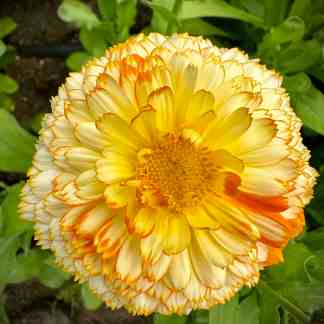
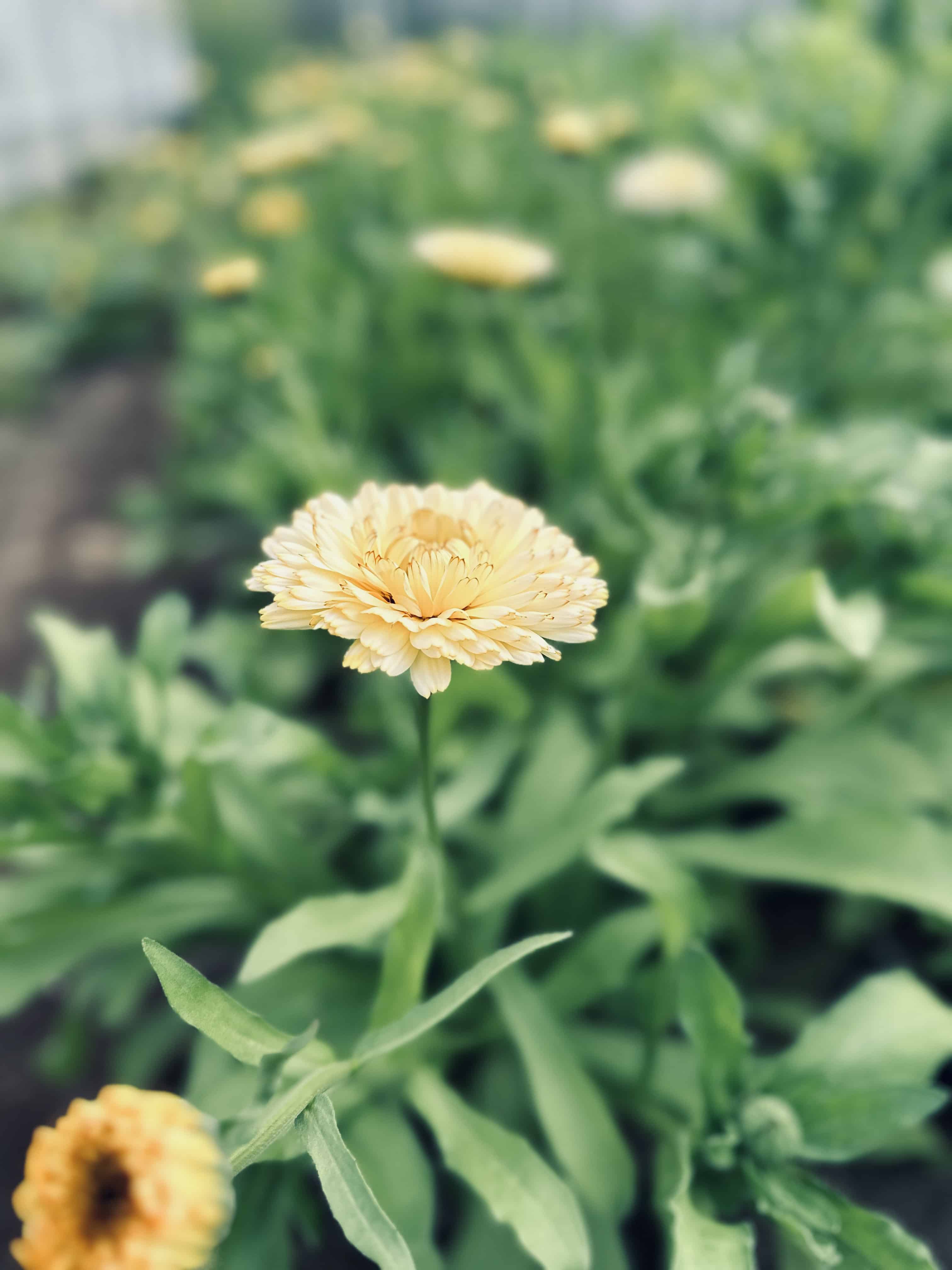
Calendula Seed Ivory Princess : A Glimpse of Winter in Summer

Unveil the elegance of the Ivory Princess Calendula—a flower that captures the pristine beauty of Alaskan snowscapes, even in the heart of summer.

Calendula Seed Ivory Princess

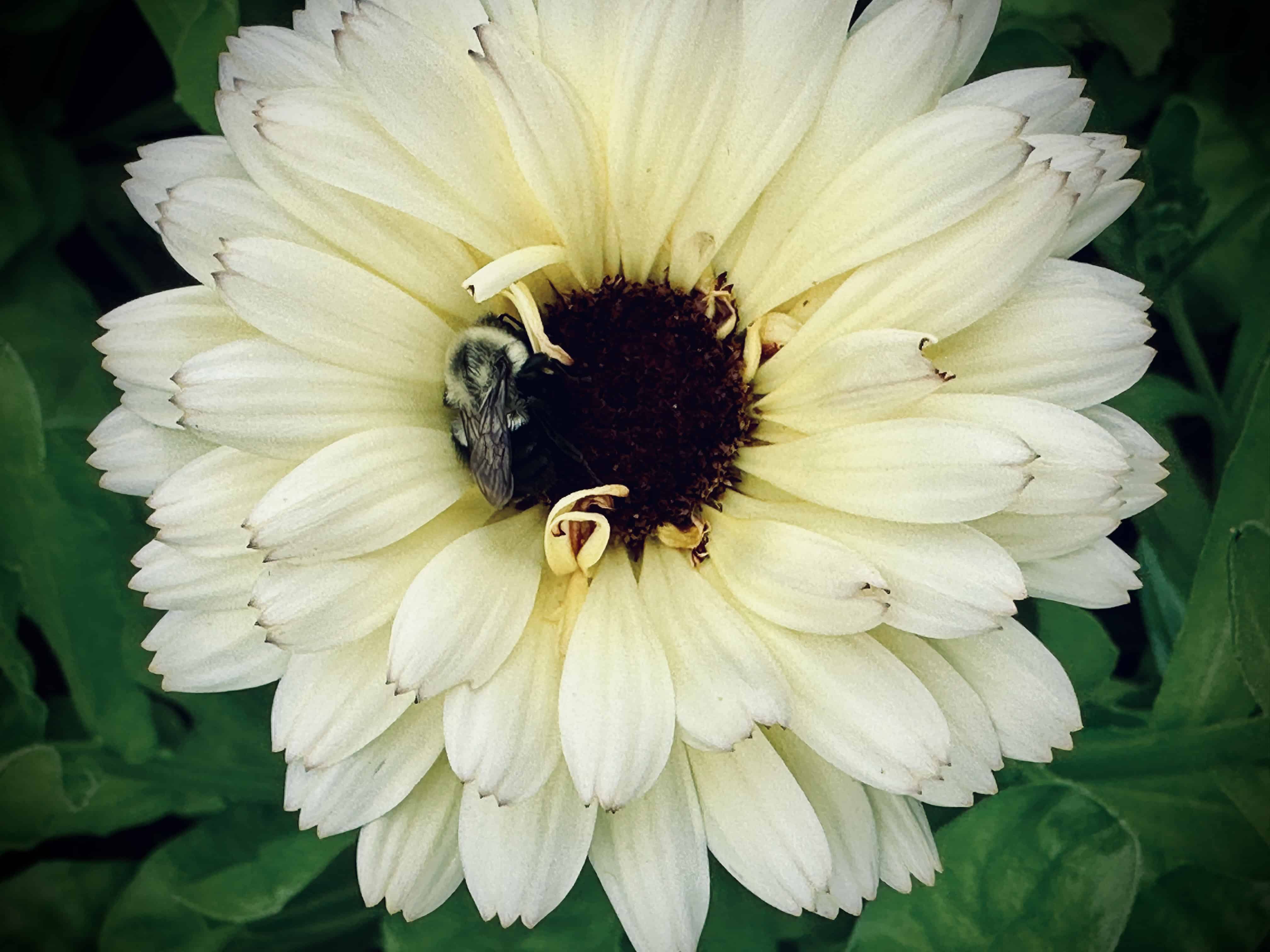
  1. Ethereal Beauty: With petals resembling soft, snow-touched satin, this flower adds a touch of regal serenity to any garden.
  2. Cool Climate Lover: Adapting beautifully to Alaskan temperatures, this calendula variety thrives where others might falter.
  3. Beneficial Blooms: Beyond aesthetics, it’s a haven for pollinators and known for its potential herbal benefits.
  4. Versatility in Spades: Perfect for borders, containers, or as a mesmerizing centerpiece in your flower beds.

Planting Guide: Opt for a spot that gets ample sunlight and has well-draining soil. Given its affinity for cooler temperatures, early spring or late summer planting in Alaska is ideal. Regular watering and a bit of love will see them flourish.

The Ivory Princess Calendula isn’t just a flower; it’s a statement, echoing the timeless beauty of Alaska’s landscapes in every petal.

When Will They Start Growing?

  • Expect sprouts in 7-14 days if kept around 70°F (21°C).

Planting Tips:

  1. Direct Planting (recommended): After the cold and frost are gone, plant the seeds about 1/4″ deep. For flowers all summer, plant more seeds every 2-3 weeks until a heavy frost is expected.
  2. Using Transplants: Start seeds indoors 4-5 weeks before you plan to move them outside.

Where to Plant?

  • They like sunny places but can also handle some shade.

Learn More: https://seedsandsoilorganics.com/category/alaska-seed-company/
Starting Seeds Indoors

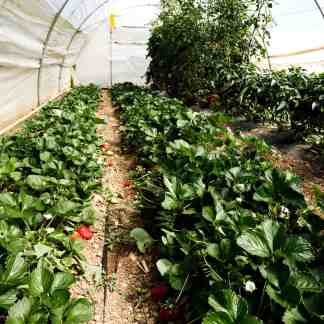
  1. Select Appropriate Containers: Use shallow trays or small pots with drainage holes. This prevents water from pooling and promotes healthy root development.
  2. Use a Seed-Starting Mix: Fill your containers with a light, sterile seed-starting mix to avoid soil-borne diseases and support early root growth.
  3. Planting Depth: Sow calendula seeds about ¼ to ½ inch deep. Lightly cover the seeds with the seed-starting mix, as they need some light to germinate but also protection from direct sunlight.
  4. Watering: Keep the soil evenly moist but not waterlogged. Use a spray bottle to mist the soil surface gently, which ensures that the seeds are not displaced.
  5. Provide Adequate Light: Place the seed trays in a bright area but out of direct sunlight. If natural light is insufficient, use grow lights for about 12-16 hours a day to mimic natural light conditions.
  6. Temperature: Calendula seeds germinate best at temperatures between 70-75°F (21-24°C). Use a heat mat if necessary to maintain this temperature range.
  7. Transplanting: Once seedlings have grown 2-3 true leaves and are sturdy enough, begin to harden them off by gradually introducing them to outdoor conditions over a week before transplanting outdoors.

Planting Calendula Outdoors

  1. Timing: Plant calendula seedlings outdoors after the last frost when the soil has warmed slightly.
  2. Site Selection: Choose a site with full sun to partial shade. Calendula isn’t too fussy about light but flourishes with at least 6 hours of sunlight daily.
  3. Soil Preparation: Calendula grows well in almost any type of soil but prefers well-draining soil. If your soil is heavy, incorporate some compost or peat moss to improve drainage.
  4. Planting: Space calendula plants about 8-12 inches apart. This spacing allows for adequate air circulation, which helps prevent fungal diseases.
  5. Watering: Water calendula regularly to keep the soil moist, especially during dry periods. However, be careful not to overwater, as calendula does not like soggy soil.
  6. Mulching: Apply a layer of organic mulch around the plants to help retain soil moisture and suppress weeds.
  7. Fertilizing: Calendula does not require much fertilizer. If necessary, use a light application of a balanced organic fertilizer at planting time to encourage growth.
  8. Deadheading: Regularly remove spent flowers (deadheading) to encourage more blooms and extend the flowering period.
  9. Pests and Diseases: Keep an eye out for common pests like aphids and treat any fungal issues, such as powdery mildew, as needed.

By following these basic steps for starting seeds indoors and caring for calendula plants outdoors, you can enjoy the bright and beneficial blooms of calendula throughout the growing season. Calendula flowers are not only beautiful but also have medicinal properties and can be used in creams, oils, and teas.

Additional information

Weight.01 oz
Dimensions5 × 3 × 1 in

Reviews

There are no reviews yet.

Only logged in customers who have purchased this product may leave a review.