



Description
Tomato Seed Bundle Open Pollinated Alaska Seeds for Cold Climate Gardening – Heirloom & Cool Weather Varieties
Tomato Seed Bundle
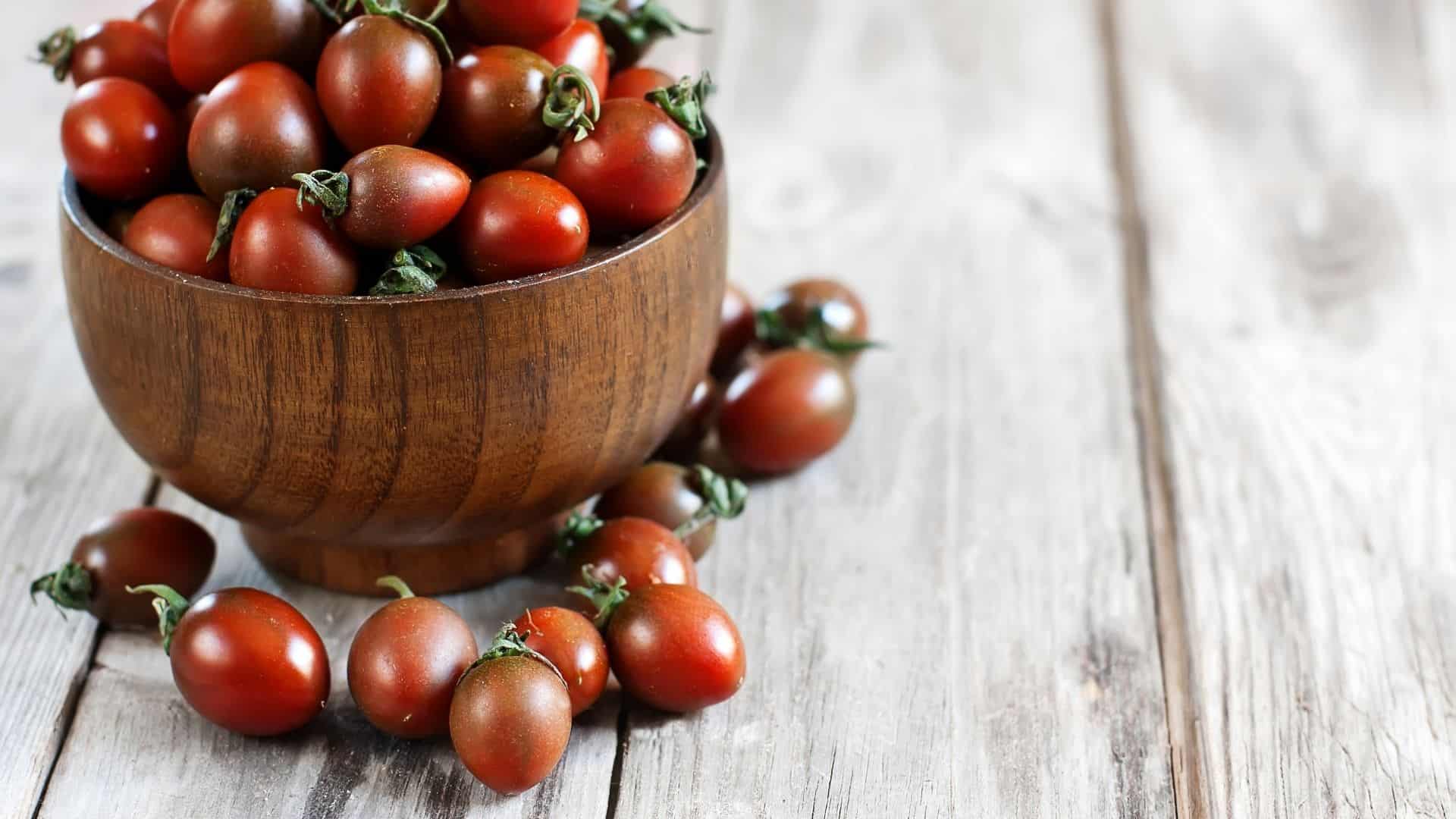
Black Beauty: Savor the rich, dark hues and intense taste that make Black Beauty a gourmet favorite.
Yellow Brandywine: Balanced, thick and one of the most flavorful slicers.
Pink Berkeley Tie Dye Tomato: sweet with just the right balance of acid. The earliest tomato to vine ripen on our Alaskan farm.
Black Cherry: Indulge in the sweet, juicy burst of flavor that defines the Black Cherry tomato.
Blush: The perfect sweet yellow cherry adding color and intense flavor
Growing:
As with most of the tomato varieties that are to be grown in Alaska, these need to be started indoors in late March or early April. Transplant date outdoors in the second week of June.
Locate the warmest micro- climate available and avoid extensive overhead watering.
Start seeds indoor towards the end of March and set outside the first or second week of June in the far North. Make sure to “pot up” frequently to avoid leggy plants.
Sow seeds 1/4″ deep and use a heat mat to speed germination.
Minimum 10 seeds per packet
Growing tomatoes in Alaska requires special attention due to the state’s unique climate conditions. Alaska’s short growing season and cool temperatures demand early preparation and careful selection of tomato varieties.
Start by choosing cold-hardy tomato varieties, which are well-suited for Alaska’s climate. Sow seeds indoors 6-8 weeks before the last expected frost, using a seed-starting mix. Provide them with ample light, either by placing them near a sunny window or using grow lights, and keep the soil warm and moist.
As the last frost date approaches, begin hardening off your tomato seedlings by gradually exposing them to outdoor conditions. This process helps them acclimate to Alaska’s cool climate.
Choose a planting location that receives at least 6-8 hours of sunlight daily. Alaskan summers have long daylight hours, so make the most of this by selecting a sun-rich spot. Use raised beds or containers with well-draining soil, enriched with compost or organic fertilizer.
Protect your plants from cold snaps by using cloches or row covers. Regularly check for signs of pests or diseases and remove affected foliage immediately.
Harvest your tomatoes when they’re ripe and vibrant. In Alaska, the fruits may ripen later than in warmer climates, so patience is key. Enjoy the fruits of your labor in delicious recipes or fresh from the vine!
Learn more: https://seedsandsoilorganics.com/category/alaska-seed-company/
Starting Seeds Indoors
- Select Proper Containers: Use small pots or seed trays with drainage holes. Deep cells or pots are ideal since tomatoes have deep root systems.
- Use a High-Quality Seed-Starting Mix: Fill your containers with a sterile, nutrient-rich seed-starting mix to encourage healthy root development and reduce disease risks.
- Planting Depth: Sow tomato seeds about ¼ inch deep into the soil. Cover lightly with the seed-starting mix.
- Moisture Management: Keep the soil consistently moist but not waterlogged. Use a spray bottle to mist the soil surface gently, ensuring it stays evenly moist.
- Provide Adequate Light: Tomato seedlings require a lot of light to grow strong and sturdy. Place them near a south-facing window or under grow lights for 14-16 hours per day.
- Temperature Control: Maintain an ambient temperature of 70-80°F (21-27°C) for optimal germination. After germination, keep the temperature slightly cooler at night to encourage stronger stems.
- Transplanting: When seedlings have 2-3 true leaves and are strong enough, transplant them to larger pots to allow more room for growth. This helps prevent them from becoming root-bound.
Planting Tomatoes Outdoors
- Timing: Transplant your tomato seedlings outdoors after all danger of frost has passed and daytime temperatures consistently exceed 60°F (16°C).
- Site Selection: Choose a sunny spot with at least 6-8 hours of direct sunlight per day. Tomatoes thrive in warm conditions and ample sunlight.
- Soil Preparation: Tomatoes perform best in rich, well-draining soil with a pH of 6.2 to 6.8. Enrich the soil with compost or a balanced fertilizer before planting.
- Planting Technique: Plant tomato seedlings deeper than they were in their pots, burying them up to the first set of leaves. This encourages a stronger root system as the buried stem will sprout additional roots.
- Spacing: Space tomato plants about 24-36 inches apart in rows spaced 3-4 feet apart. This spacing allows for adequate air circulation and light penetration, which are critical for reducing disease risks.
- Watering: Water tomatoes deeply and regularly, aiming to keep the soil moist but not soggy. Avoid overhead watering to minimize leaf diseases.
- Staking and Support: Provide support with stakes, cages, or trellises at planting time to help manage growth and prevent diseases. Training tomatoes to grow vertically also helps save space and makes harvesting easier.
- Mulching: Apply a layer of organic mulch around the plants to help retain soil moisture, control weeds, and regulate soil temperature.
- Regular Care: Check plants frequently for pests such as aphids, tomato hornworms, and diseases like blight. Implement appropriate control measures promptly.
- Harvesting: Harvest tomatoes when they are fully colored and firm. Regular harvesting encourages the plant to produce more fruit.
By adhering to these guidelines, you can successfully start tomatoes from seeds indoors and transplant them into your garden for a fruitful growing season. Enjoy the fresh, delicious rewards of your efforts!
Alaska-Specific FAQs
Can I grow these tomatoes outdoors in Alaska?
Yes, in Southcentral and Interior Alaska, tomatoes can thrive outdoors in sheltered spots or raised beds. However, for best results, most gardeners use greenhouses or high tunnels.
When should I start tomato seeds?
Start indoors 8-10 weeks before your last frost typically in mid to late March and transplant after soil warms in late May or early June.
Which tomato ripens fastest in Alaska?
Pink Berkeley Tie Dye is the earliest to ripen, followed by Blush and Black Cherry. These varieties reliably produce even in cool summers.
Do these tomatoes need pruning or trellising?
Yes. All are indeterminate and benefit from staking or cages for airflow and easier harvesting.
How do I extend the tomato harvest in Alaska?
Use heat-retaining mulch, prune lower leaves for airflow, and keep soil evenly moist. A greenhouse or frost cloth can extend production into September.

Reviews
There are no reviews yet.