


Description
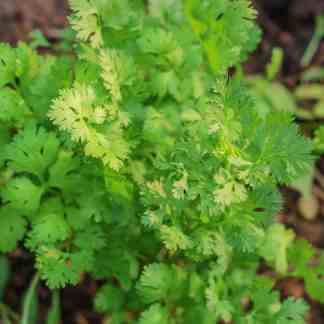
Catnip Seed, the genesis of the enchanting Nepeta cataria plant, is a treasure trove for gardeners and cat enthusiasts alike. This tiny seed unfurls into a herbaceous perennial, known for its distinctive, heart-shaped leaves and whorls of delicate, lavender flowers. Beyond its visual appeal, catnip is famed for the euphoric effect it has on felines, making it a must-have in any pet-friendly garden.
Originating from Europe and Asia, catnip has naturalized across continents, owing to its hardy and adaptable nature. The seeds germinate readily, making catnip an easy-to-grow addition to your garden. Thriving in full sun to partial shade and well-drained soil, it’s a plant that asks for little but gives much in return, both in aesthetic value and utility.
Culinary and medicinal uses of catnip, though overshadowed by its popularity among cats, should not be underestimated. The leaves, when harvested, can be used to make a soothing tea known for its mild sedative properties, aiding in relaxation and digestion. Historically, catnip has been employed in traditional medicine to alleviate symptoms of various ailments, from fevers to headaches.
For gardeners, catnip seeds offer the joy of cultivating a plant that’s both beneficial for humans and a delight for cats. The plant acts as a natural repellent for certain insects, while attracting beneficial pollinators like bees and butterflies, enhancing the biodiversity of your garden.
In the realm of pet care, growing catnip from seed allows cat owners to provide their furry companions with a fresh, organic source of entertainment. Cats are drawn to the nepetalactone compound in catnip, which can induce a range of reactions, from playful euphoria to tranquil relaxation, offering a safe and natural way to enrich their lives.
In summary, catnip seed is the beginning of a journey into the cultivation of a plant that bridges the worlds of horticulture, herbal medicine, and pet care. It promises a versatile and rewarding gardening experience, yielding a plant that’s as beneficial for humans as it is enchanting for cats.
Follow our blog: https://seedsandsoilorganics.com/category/alaska-seed-company/
Seeds are tiny- roughly 25 per packet
Perennial herb zones 3-9
Can overwinter with deep mulching or potting up indoors
Starting Seeds Indoors
- Choose Suitable Containers: Small pots or seed trays with drainage holes work best for starting catnip seeds. Ensure containers are clean to prevent disease.
- Use Seed-Starting Mix: Fill your containers with a light, sterile seed-starting mix to encourage good root development and reduce the risk of soil-borne diseases.
- Sow Seeds Lightly: Catnip seeds require light to germinate, so simply press them into the surface of the moistened soil mix, without covering them.
- Maintain Moisture: Keep the soil consistently moist but not waterlogged. Use a spray bottle to gently mist the soil surface, ensuring it stays evenly moist.
- Provide Plenty of Light: Place the seed trays in a location that receives lots of indirect sunlight or under grow lights for about 14-16 hours per day.
- Keep Warm: The ideal temperature for germination is between 70-75°F (21-24°C). If necessary, use a heat mat to maintain a consistent temperature.
- Transplanting: Once seedlings have at least two sets of true leaves and are sturdy enough, they can be transplanted to individual pots or prepared for outdoor planting.
Planting Catnip Outdoors
- Timing: Plant catnip outdoors after the last frost when the soil has warmed up.
- Site Selection: Choose a sunny spot with well-draining soil. Catnip thrives in full sun but can tolerate partial shade.
- Soil Preparation: Catnip isn’t fussy about soil type but grows best in well-drained soil. Amend heavy clay soils with compost or sand to improve drainage.
- Planting: Space catnip plants about 18-20 inches apart to allow for spreading. Dig a hole slightly larger than the root ball, place the plant, and fill the hole with soil. Firm the soil around the plant and water thoroughly.
- Watering: Water regularly to establish plants, then reduce watering as catnip is drought tolerant. Overwatering can lead to root rot.
- Fertilizing: Catnip does not require much fertilizer. If growth seems slow, apply a light application of a balanced organic fertilizer mid-season.
- Maintenance: Catnip can spread quite vigorously. To control growth, trim back the flowering tops frequently. This encourages bushier growth and prevents the plant from seeding all over the garden.
- Harvesting: Harvest catnip leaves as needed once the plant is mature. Leaves can be used fresh, or dried for later use, especially for making catnip toys or tea.
By following these basic steps for starting catnip seeds indoors and planting them outdoors, you can enjoy the benefits of this easy-to-grow herb in your garden. Catnip not only attracts cats but is also useful for repelling certain insects and can be a delightful addition to herbal teas.



Reviews
There are no reviews yet.