


Description
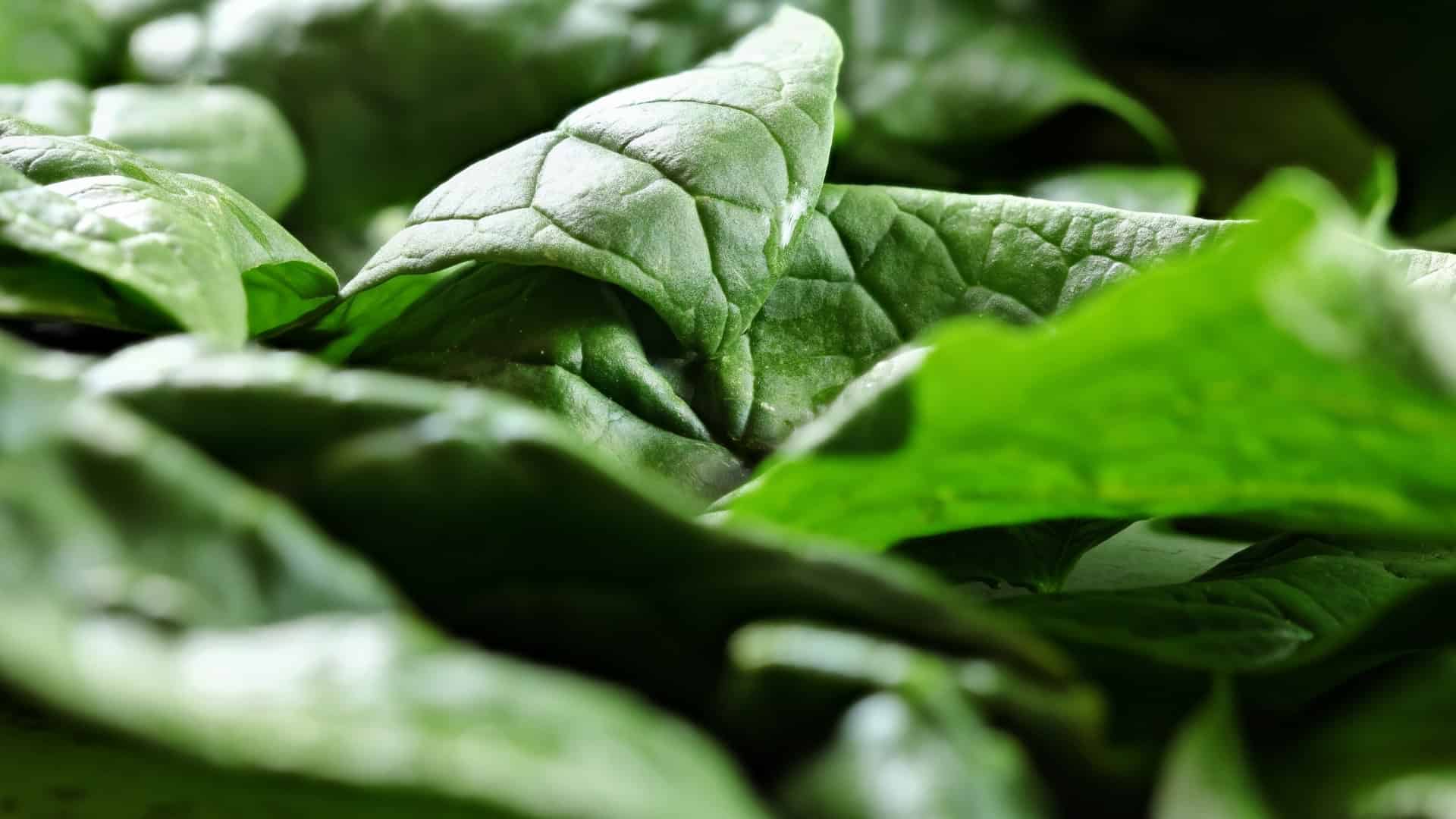
Spinach Seed Monstrueux De Viroflay Grow Bigger, Taste Better. A True Garden Giant: Step into the green world of Monstrueux De Viroflay Spinach. Not just any spinach, these seeds grow into plants with leaves as big as your hand!
These large leaves pack a punch of flavor. So, whether you’re tossing up a salad, or whipping up a stir-fry, they’ve got you covered. What’s more, their size makes prep work a breeze.
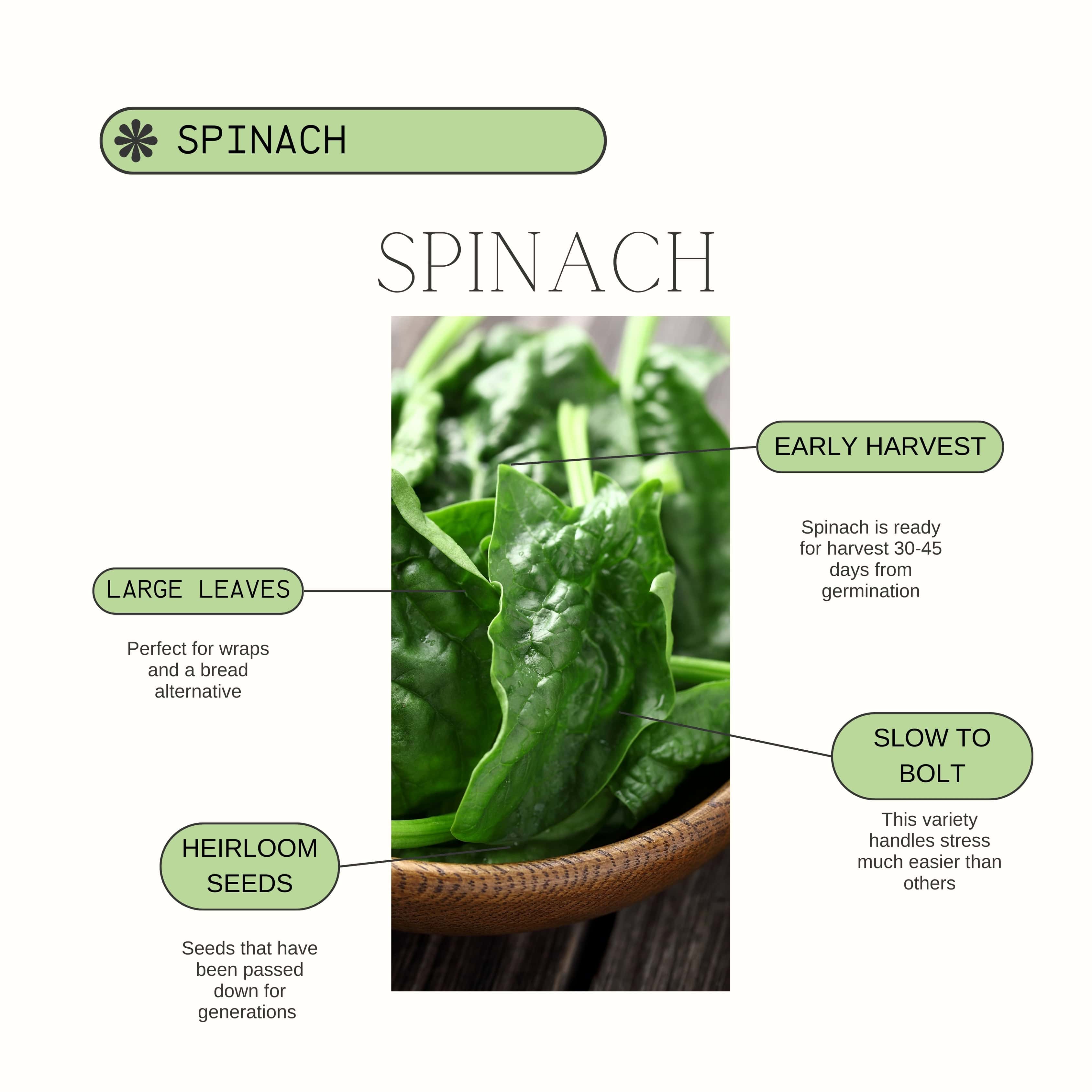
Spinach Seed Monstrueux De Viroflay Guess what? This spinach doesn’t just impress with its size. It also stands strong in a variety of climates. Moreover, it’s known for its resistance to bolting, ensuring longer harvests.
Learn more: https://seedsandsoilorganics.com/category/alaska-seed-company/
Roughly 25 seeds per packet
Discover the Monstrueux de Viroflay Spinach Seed, a heritage variety that stands out for its exceptional size and flavor. Originating from France, this “monstrous” spinach boasts large, tender leaves that can grow up to a foot long, offering a sweet and delicate taste. Ideal for both spring and fall plantings, it’s a fast-growing variety that promises an abundant harvest within 45 to 60 days. Rich in nutrients, including iron, vitamins, and antioxidants, the Monstrueux de Viroflay is perfect for health-conscious gardeners and chefs. Whether used fresh in salads or cooked in culinary creations, it brings a touch of gourmet and nutritional excellence to your table.
Growing Spinach
Soil Preparation
- Soil Type: Spinach prefers well-draining, fertile soil with a pH between 6.0 and 7.0.
- Soil Preparation: Work organic matter, such as compost, into the soil to improve its texture and fertility. Spinach thrives in nutrient-rich soil.
Planting
- Timing:
- Spring Crop: Sow seeds directly in the garden as soon as the soil can be worked in early spring, about 4-6 weeks before the last expected frost.
- Fall Crop: Sow seeds in late summer or early fall, about 6-8 weeks before the first expected frost.
- Spacing:
- Row Spacing: Sow seeds ½ inch deep in rows spaced 12-18 inches apart.
- Seed Spacing: Space seeds 1 inch apart. Thin seedlings to 2-4 inches apart once they have grown a few inches tall.
Watering
- Frequency: Keep the soil consistently moist, especially during dry periods. Spinach requires regular watering to develop tender leaves.
- Technique: Water at the base of the plants to avoid wetting the foliage, which can help prevent disease.
Fertilizing
- Initial Fertilization: Incorporate a balanced, slow-release fertilizer into the soil at planting time.
- Ongoing Fertilization: Side-dress with a balanced fertilizer or compost tea every 3-4 weeks during the growing season.
Care
- Weeding: Keep the area around the plants weed-free to reduce competition for nutrients and water. Hand-pull weeds to avoid disturbing the shallow roots of the spinach plants.
- Mulching: Apply a layer of organic mulch around the plants to help retain soil moisture and suppress weeds.
Bolting
- Understanding Bolting: Bolting occurs when the plant starts to flower and set seed, often caused by stress from high temperatures or long daylight hours. This results in bitter, tough leaves.
- Preventing Bolting:
- Temperature: Spinach prefers cool weather. Aim to grow spinach in temperatures between 35°F and 75°F (2°C to 24°C). In warmer climates, consider planting in partial shade to reduce heat stress.
- Day Length: Spinach is sensitive to day length. Long days can trigger bolting. To manage this, choose bolt-resistant varieties and plant early in the spring or later in the summer for fall harvests.
- Watering: Keep the soil consistently moist. Stress from drought can also trigger bolting.
- Mulching: Use mulch to keep the soil cool and retain moisture.
Pests and Diseases
- Pests: Watch out for aphids, leaf miners, and slugs. Use insecticidal soap or neem oil if infestations occur.
- Diseases: Spinach can be susceptible to downy mildew and leaf spot. Ensure good air circulation and avoid overhead watering to minimize disease risks.
Harvesting
- Timing: Spinach can be harvested when the leaves are large enough to eat, typically 37-50 days after planting, depending on the variety.
- Method: Harvest outer leaves first, allowing the inner leaves to continue growing. Alternatively, cut the entire plant at the base when it reaches the desired size.
Storage
- Preparation: After harvesting, rinse the leaves thoroughly and pat dry.
- Storage Conditions: Store spinach in a plastic bag in the refrigerator. It can be stored for up to a week.
By following these steps and managing conditions to prevent bolting, you’ll be able to grow healthy, productive spinach plants that will provide a delicious and nutritious addition to your garden and your meals.
Alaska-Specific FAQs
When should I plant spinach in Alaska?
Sow directly outdoors in mid to late May as soon as the soil can be worked, or start indoors 3–4 weeks earlier for an earlier harvest. Spinach thrives in soil temperatures between 45–60°F.
Can I grow spinach all summer in Alaska?
Yes “ish” Alaska’s cool summers are great for spinach but the extended daylight can induce bolting in some varieties. Of all the spinach I have tested this is the slowest bolting in Alaska.
How fast does Monstrueux de Viroflay grow?
You can start harvesting baby leaves in 30 days, with full-sized leaves ready in about 45–50 days.
Does spinach grow well in greenhouses?
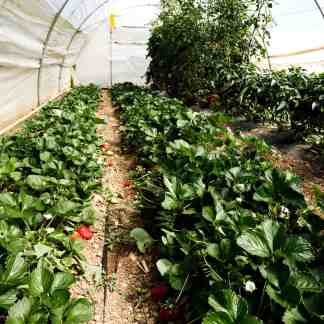
Meh… without temperature control the plants can become stressed.
How do I keep spinach producing longer?
Harvest outer leaves regularly and keep soil evenly moist. Succession sow every 2–3 weeks for a steady supply of tender greens.



Reviews
There are no reviews yet.