Description
Rainbow Carrot Seed
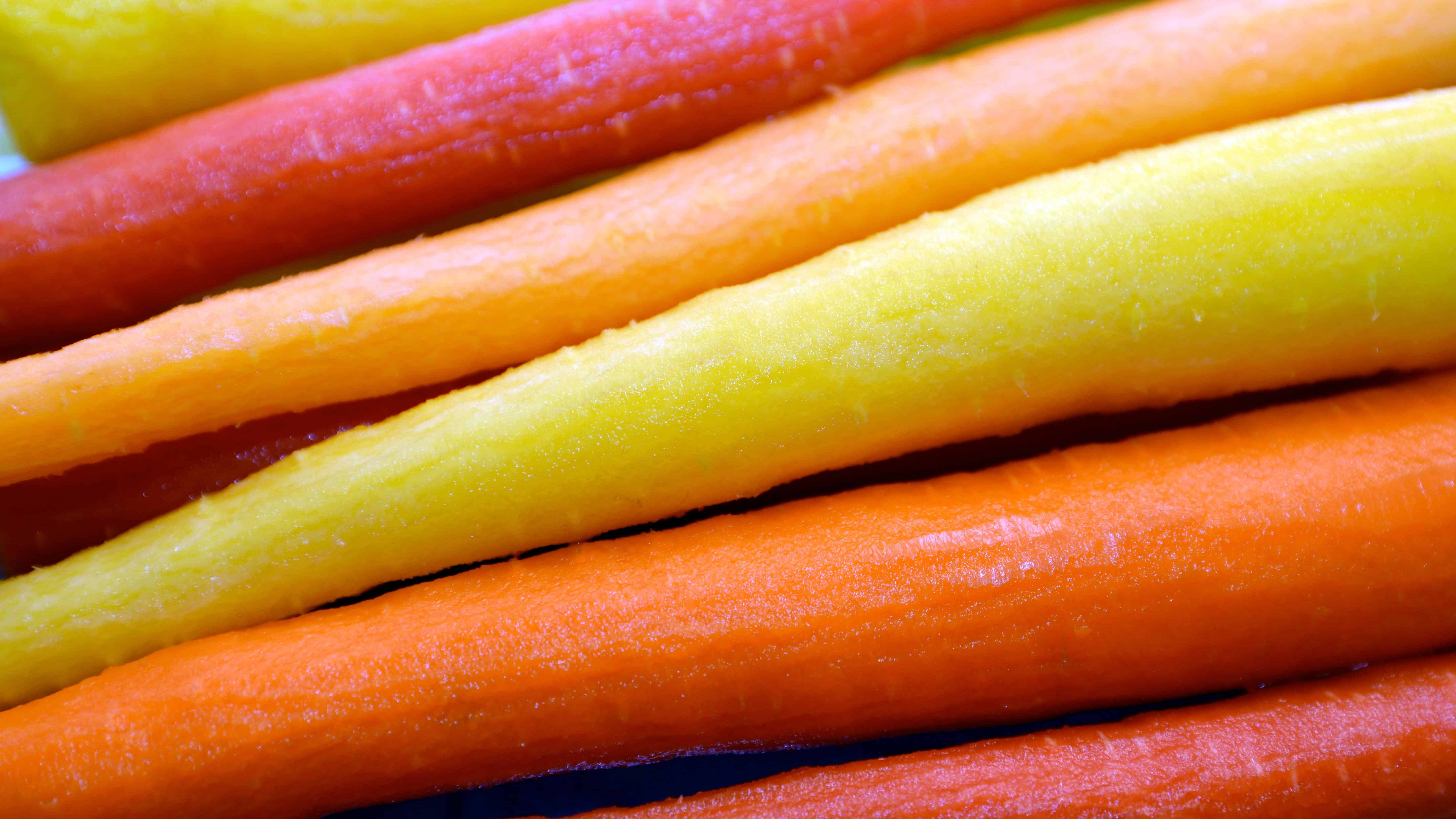
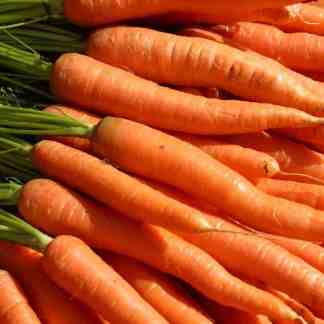
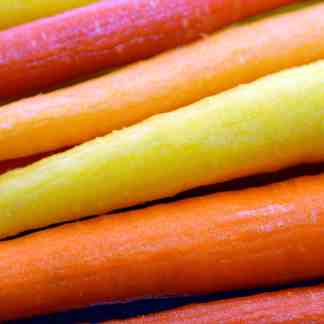
From deep reds to bright yellows, this blend combines a variety of carrot hues that are as visually appealing as they are packed with diverse flavors and nutrients.
Rainbow Carrot Seed Grow a Rainbow in Your Garden: Plant these carrot seeds in loose, well-draining soil, and provide them with full sun. Thin the seedlings to avoid overcrowding and water moderately. Harvest when young for tender carrots or let them mature for a fuller flavor.
Garden tips and stories: https://seedsandsoilorganics.com/category/alaska-seed-company/
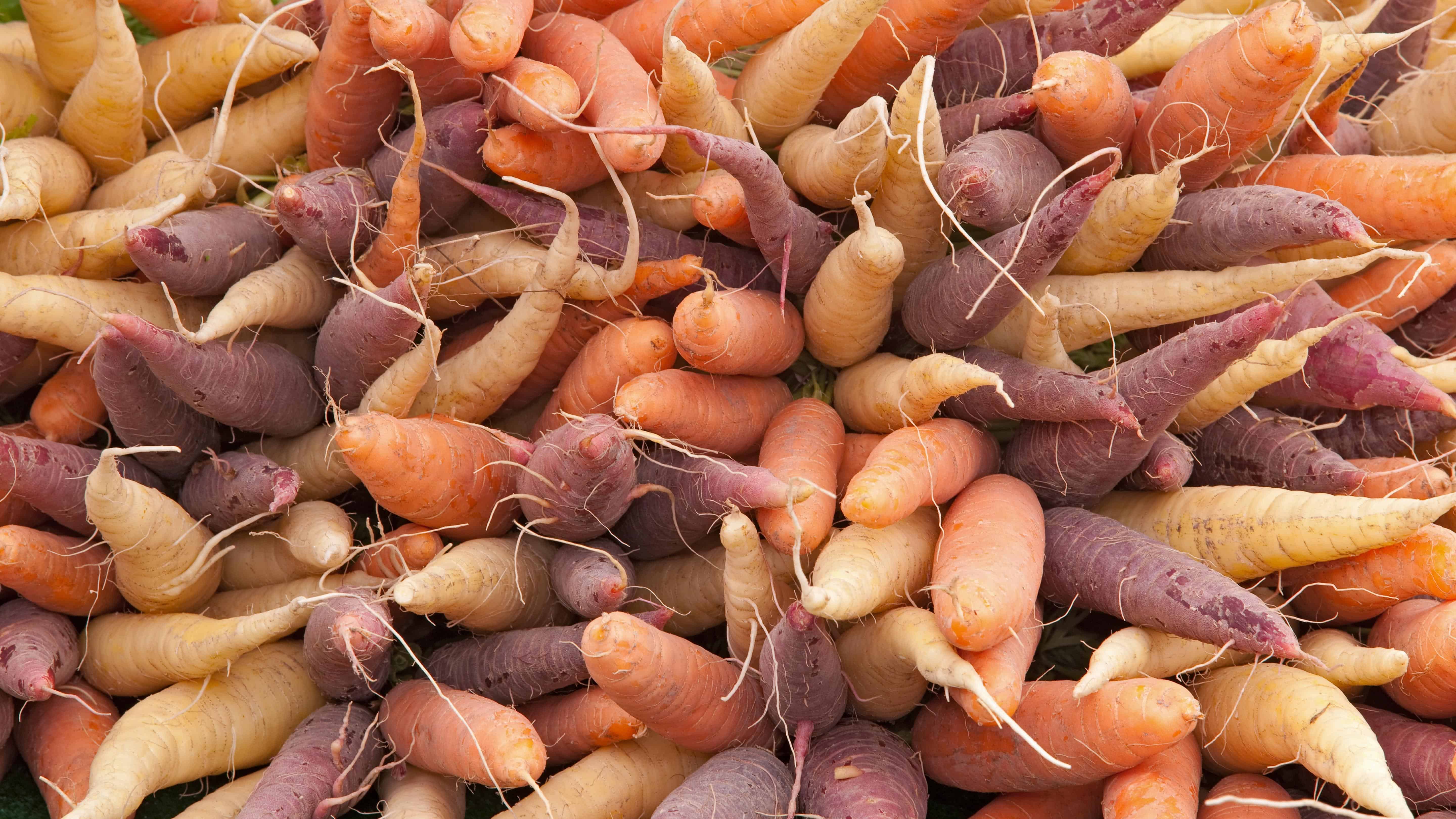
A gorgeous blend of red, yellow, pinkish and orange carrots (Atomic Red, Yellowstone, Danvers and Dragon)
Open Pollinated: 65-75 Days
Sow as soon as the soil can worked
Sow seed 1/2″ deep and space plants 1″-4″ apart
Interplant with onions, leeks and aromatic herbs
Seed germination is dependent on even/uniform moisture
Keep seed bed moist- not dripping wet until emergence is visible
Roughly 300 seeds per packet
Seeds will be packed in one packet. If you would like individual packets please shop our bundles.
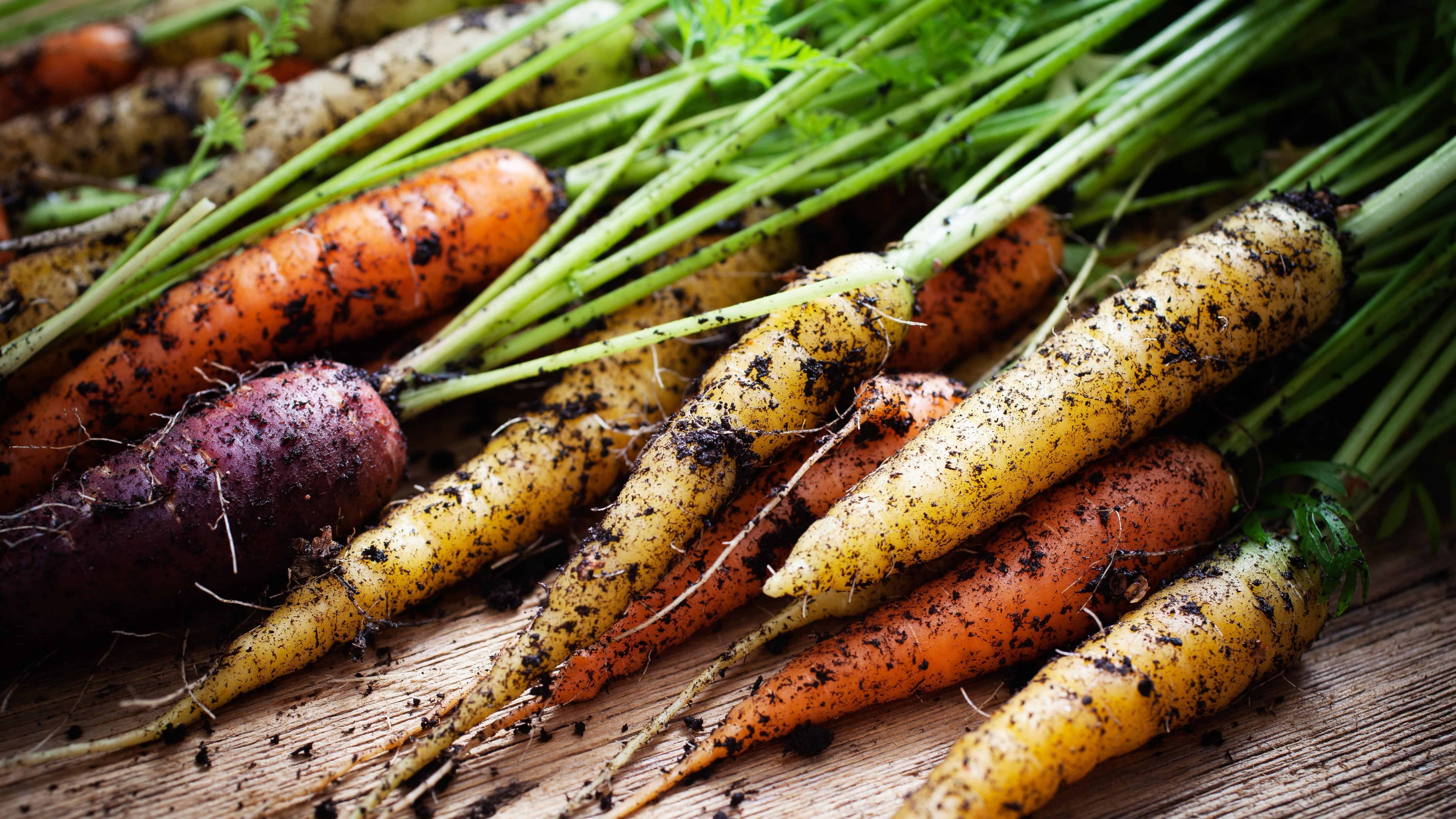
Dive into a world of color with our Rainbow Carrot Seeds, a delightful mix that turns an ordinary vegetable garden into an artist’s palette. This colorful collection includes a spectrum of hues, from deep purples and vibrant oranges to sunny yellows, rich reds, and even serene whites. Each color brings its unique flavor and nutritional profile, making every harvest a surprise of taste and health benefits.
These seeds are more than just a feast for the eyes; they are a treasure trove of vitamins, minerals, and antioxidants. Purple carrots are known for their anthocyanins, which have powerful antioxidant properties, while the yellow varieties are rich in lutein, known for eye health. The traditional orange carrots are packed with beta-carotene, essential for vitamin A synthesis, supporting vision and immune function.
Growing Rainbow Carrot Seeds is a journey of discovery. They thrive in well-drained soil and full sunlight, making them perfect for gardeners of all levels. Their underground growth is a magical process, with each pull from the soil revealing a new color surprise.
Sowing Seeds Outdoors
- Prepare the Soil: Start by removing any weeds, stones, and debris from the planting area. Carrots prefer a smooth, well-drained bed for optimal root development.
- Sowing Depth and Spacing: Plant seeds shallowly, about ¼ inch deep. Space them 1 to 2 inches apart in rows that are 12 to 18 inches apart.
- Watering: After planting, water the area gently but thoroughly to settle the seeds. Keep the soil consistently moist to ensure proper germination, which can take 1-3 weeks.
- Thinning Seedlings: Once seedlings are an inch tall, thin them so they stand 2-3 inches apart. Thinning is crucial for carrots as it prevents crowding, allowing the roots to grow properly.
Planting Carrots
- Timing: Carrots are typically planted in the early spring or late summer/early fall. They need cooler temperatures to develop their best flavor and texture.
- Site Selection: Choose a spot in your garden that receives full sun, although they can tolerate partial shade. Consistent, direct sunlight is ideal for optimal growth.
- Soil Conditions: Carrots grow best in deep, loose, and rocky-free soil to allow unimpeded root growth. If the top layer of your soil is heavy or clayey, consider using raised beds or mixing in organic matter to improve its texture and nutrient content.
- Planting: Scatter the tiny seeds directly onto the soil surface. Since carrot seeds are very small, you might mix them with sand to facilitate even distribution. Gently press the seeds into the soil without covering them heavily.
- Watering Regimen: It’s essential to keep the soil moist, especially during the germination period. Use a fine spray to water the seeds to prevent washing them away or creating crusts that can hinder sprout emergence.
- Care and Maintenance: Keep the area free of weeds, which can compete with the slow-growing carrot seedlings. Be gentle when weeding to avoid disturbing the young carrot roots.
- Fertilizing: Carrots generally do not require much fertilizer if the soil is well-prepared. If needed, apply a low-nitrogen, higher-potassium and phosphorus fertilizer at planting time to promote good root development.
- Harvesting: Carrots can be harvested at any size but are typically best when they are about ½ inch in diameter or larger. The length of time to harvest can vary from 50 to 75 days depending on the variety.
By following these simple steps for sowing seeds outdoors and providing specific care for carrots, you can enjoy a bountiful harvest of crisp, sweet carrots right from your garden.
Only logged in customers who have purchased this product may leave a review.


Reviews
There are no reviews yet.