




Description
A Food Security 20 Cold-Hardy Crops $4 per packet
Prepare your garden for self-reliance with this Alaska-tested food security seed bundle. This collection includes 20 cold-hardy vegetable and herb varieties, all selected to perform reliably in short, northern growing seasons.
At just $4 per packet, this bundle allows you to stock up and save while building a diverse, resilient garden that supports fresh food production throughout the season.
Included crops cover a wide range of staples and fresh greens, including lettuce, kale, carrots, beets, peas, broccoli, spinach, onions, squash, herbs, and more. Together, these varieties provide a balanced mix of roots, greens, and fruiting crops suited to Alaska’s climate.
This bundle is well-suited for both new and experienced gardeners. The varieties grow reliably in cool conditions and can be started indoors or direct-sown depending on timing and setup.
Designed to promote long-term food security, this bundle helps reduce reliance on outside supply chains while supporting sustainable, local food production.
Alaska Food Security 20 Cold-Hardy Crops for Self-Reliance Stock up and save! Only $4.00 per packet
Alaska Food Security 20 Cold-Hardy Crops for Self-Reliance Food Security Seed Bundle-This massive seed offering helps you be prepared for any event. We have included the very best vegetables and herbs suited for our Alaskan climate:
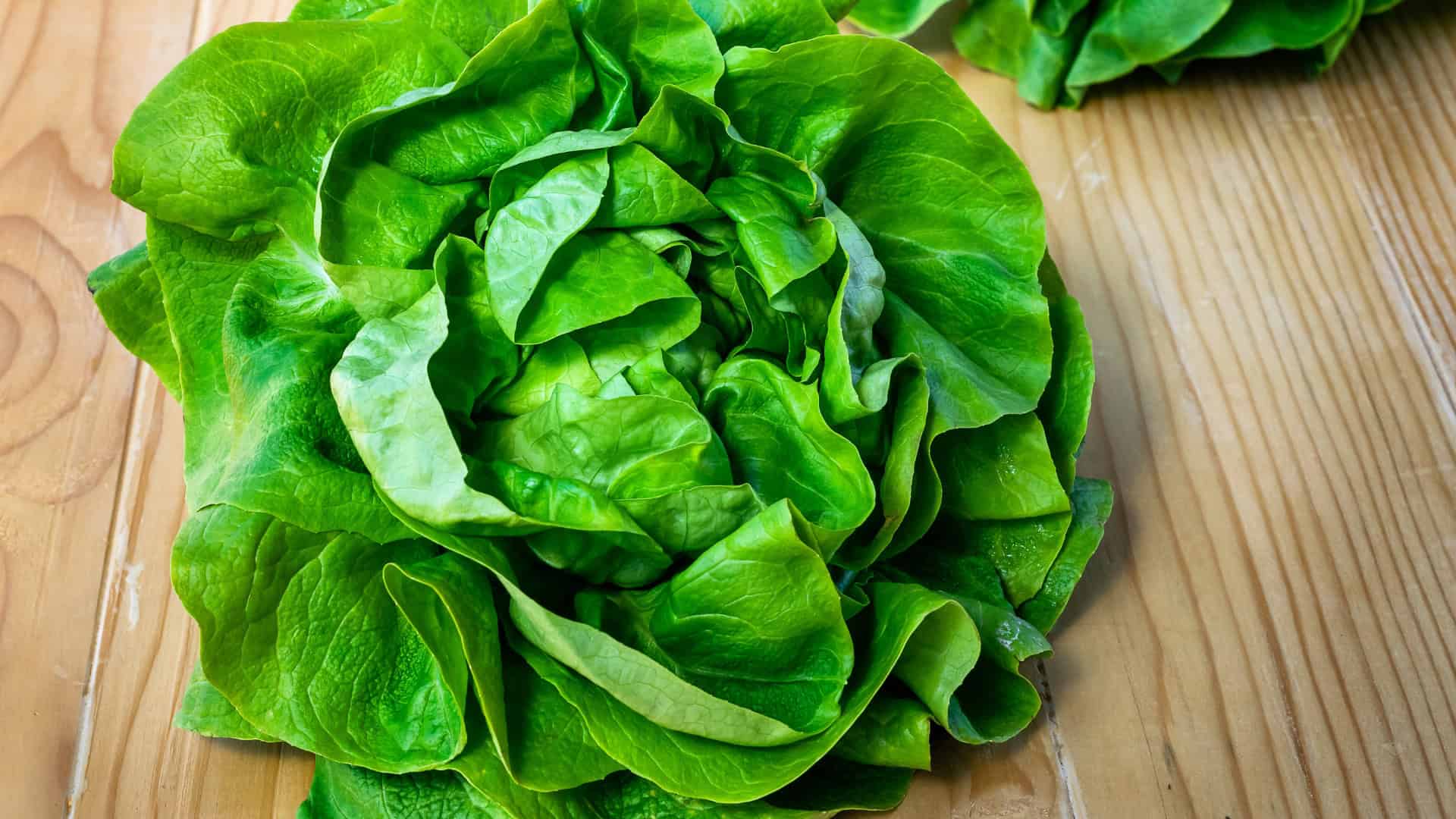
Lettuce
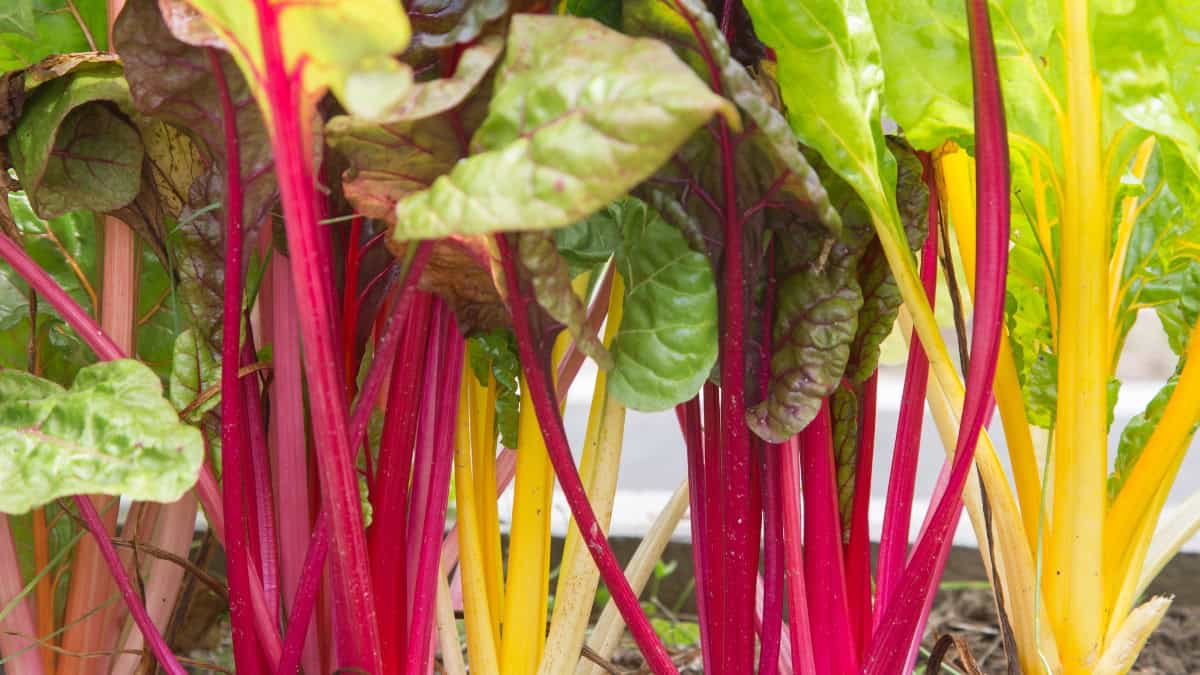
Swiss Chard
Carrots
Cauliflower
Broccoli
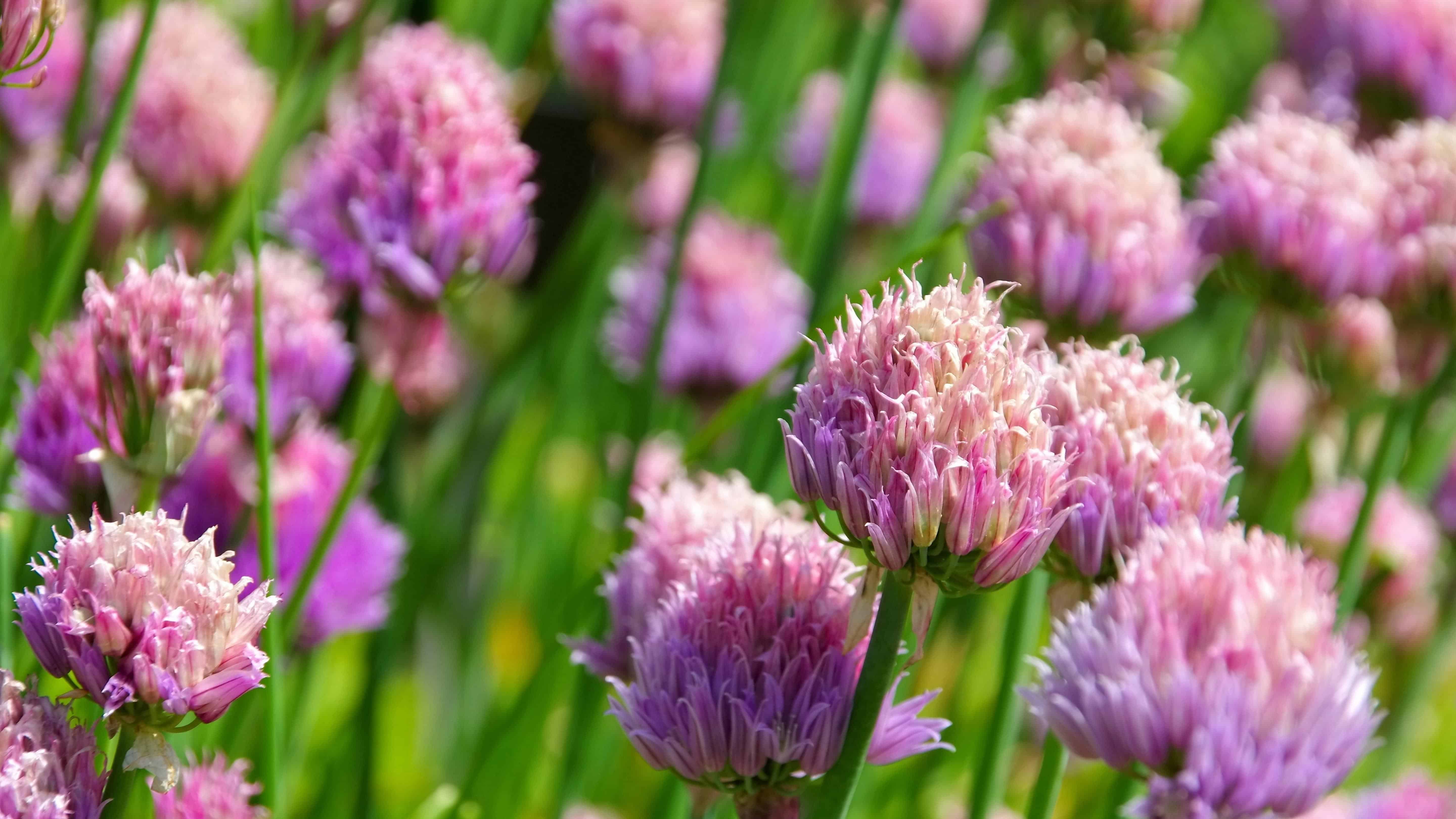
Chives
Kale
Tomatoes
Spinach
Peas
Radish
Beets
Pak Choy
Mustard
Mizuna
Squash
Onions
Rutabaga
Arugula
Dill
A Diverse Harvest: Imbue your garden with the robust vitality of Alaska with our Food Security Seed Bundle. This all-inclusive kit boasts an impressive selection of 20 essential vegetables, offering a full spectrum of nutritional benefits and flavors. From the rich flavors of chives to the vibrant colors of carrots- this bundle is sure to please.
Easy to Grow: Our Food Security Seed Bundle is perfect for both budding and seasoned gardeners. With vegetables that thrive in a variety of conditions, you can enjoy a bountiful harvest across different seasons.
A Sustainable Choice: Beyond providing a wide array of delicious and nutritious vegetables, this bundle promotes food security, allowing you to cultivate your own fresh produce right in your backyard. You’ll be contributing to a more sustainable lifestyle, reducing reliance on commercially grown produce.
Garden tips and stories: https://seedsandsoilorganics.com/2022/11/06/alaska-seeds/
Lettuce:
Lettuce prefers cool weather and fertile, well-drained soil. Sow seeds directly in early spring or late summer for a fall crop. Keep soil consistently moist and harvest outer leaves regularly for continued growth.
Swiss Chard:
Swiss chard thrives in full sun to partial shade and fertile, well-drained soil. Sow seeds directly in spring and harvest outer leaves as the plant continues to grow. Chard tolerates light frost and produces all season.
Carrots:
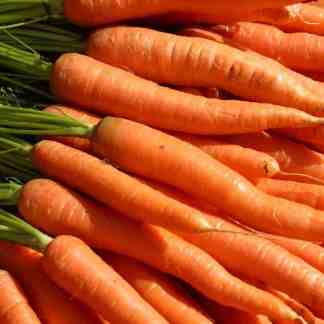
Carrots prefer deep, loose, sandy soil and full sun. Sow seeds directly outdoors in early spring. Keep soil evenly moist and thin seedlings to allow room for roots to develop.
Cauliflower:
Cauliflower grows best in cool temperatures, rich soil, and full sun. Start seeds indoors four to six weeks before the last frost or transplant young plants outdoors in early spring. Keep soil evenly moist and feed regularly.
Broccoli:
Broccoli thrives in fertile, well-drained soil and full sun. Start seeds indoors six weeks before the last frost or plant transplants in early spring. Harvest the main head before flowers open to encourage side shoots.
Chives:
Chives prefer full sun and rich, moist, well-drained soil. Sow seeds indoors or outdoors after frost. Trim regularly to encourage fresh growth and prevent flowering if harvesting for culinary use.
Kale:
Kale grows well in cool weather and fertile soil. Sow seeds directly in early spring or late summer. Harvest outer leaves as needed; plants can tolerate frost and become sweeter in cool temperatures.
Tomatoes:
Tomatoes need full sun, warm temperatures, and well-drained soil enriched with compost. Start seeds indoors six to eight weeks before the last frost and transplant outdoors after soil warms. Stake or cage plants for support.
Spinach:
Spinach prefers cool weather and nutrient-rich soil. Sow seeds directly outdoors in early spring or late summer. Keep soil moist and harvest young leaves for tender flavor.
Peas:
Peas grow best in cool temperatures and well-drained soil. Sow seeds directly outdoors as soon as the ground can be worked. Provide support for climbing types and harvest pods regularly to encourage production.
Radish:
Radishes prefer cool weather, full sun, and loose, moist soil. Sow seeds directly outdoors in early spring or fall. Harvest promptly for the best texture and flavor.
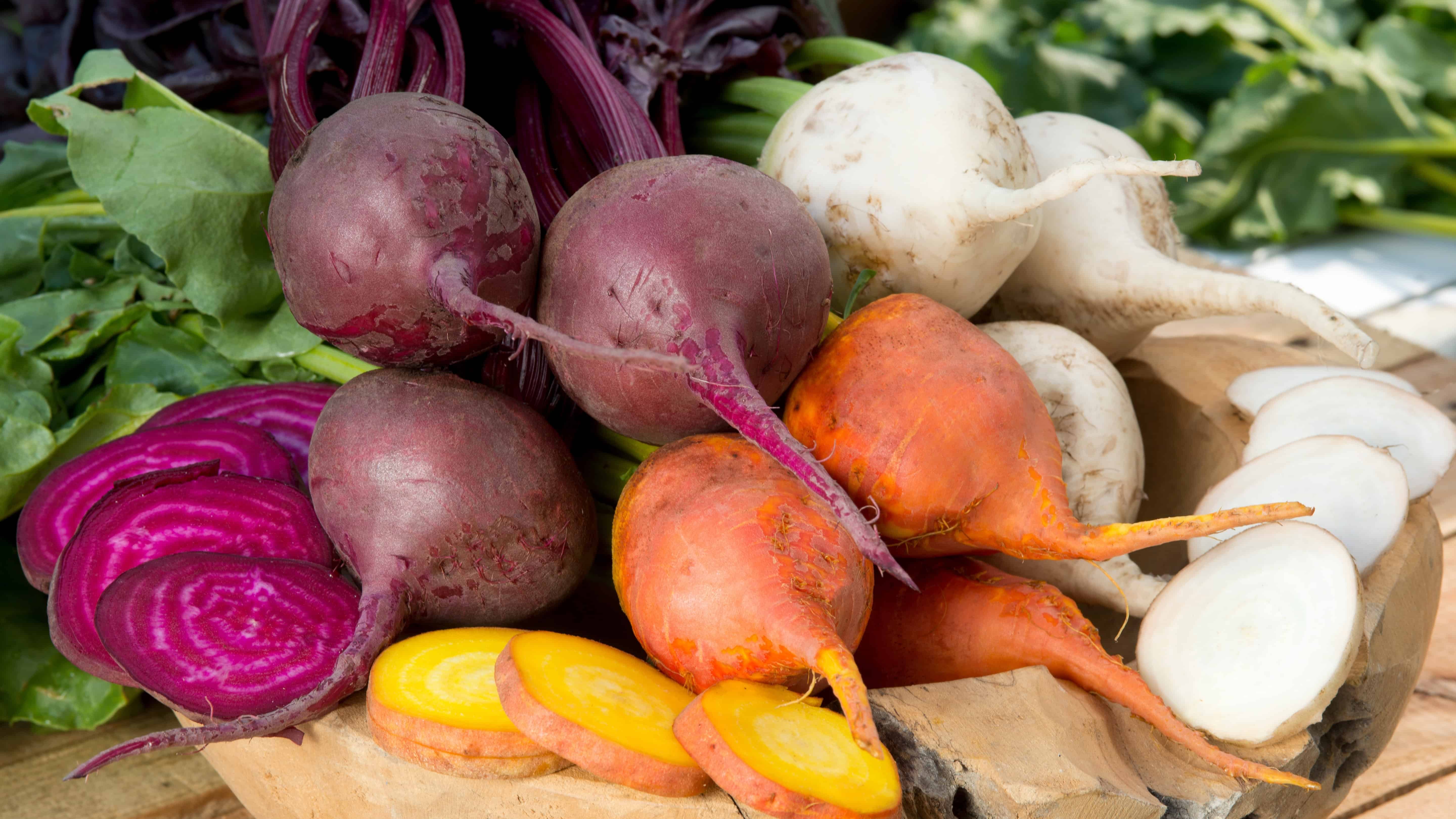
Beets:
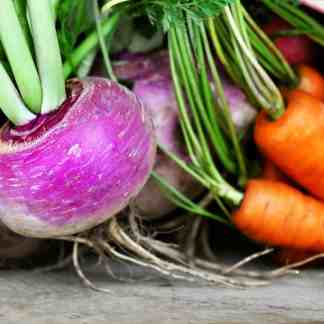
Beets thrive in full sun and loose, fertile soil. Sow seeds directly in spring or late summer for fall harvest. Thin seedlings early to allow roots to form properly.
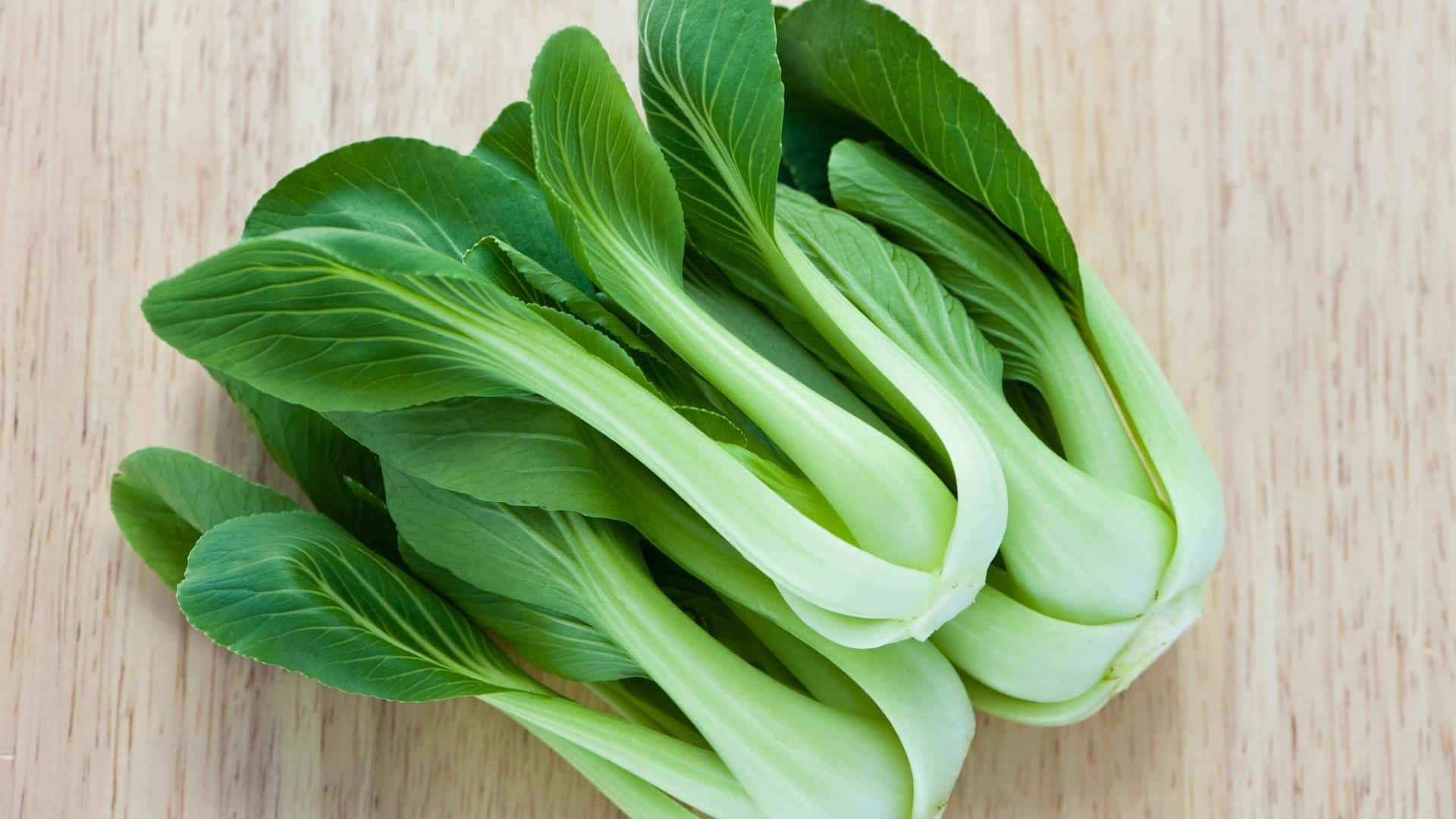
Pak Choy:
Pak choy prefers cool temperatures and moist, well-drained soil. Sow seeds directly outdoors in spring or late summer. Harvest young leaves or entire heads before plants bolt in warm weather.
Mustard:
Mustard greens grow quickly in cool weather and full sun. Sow seeds directly outdoors and harvest young leaves for mild flavor or mature leaves for a stronger taste.
Mizuna:
Mizuna grows best in cool weather and fertile soil. Sow seeds directly outdoors in early spring or late summer. Harvest baby greens for salads or mature leaves for stir-fries.
Squash:
Squash needs full sun, warm soil, and plenty of space to spread. Sow seeds outdoors after frost or start indoors for transplanting. Keep soil moist and harvest fruits regularly to promote continued production.
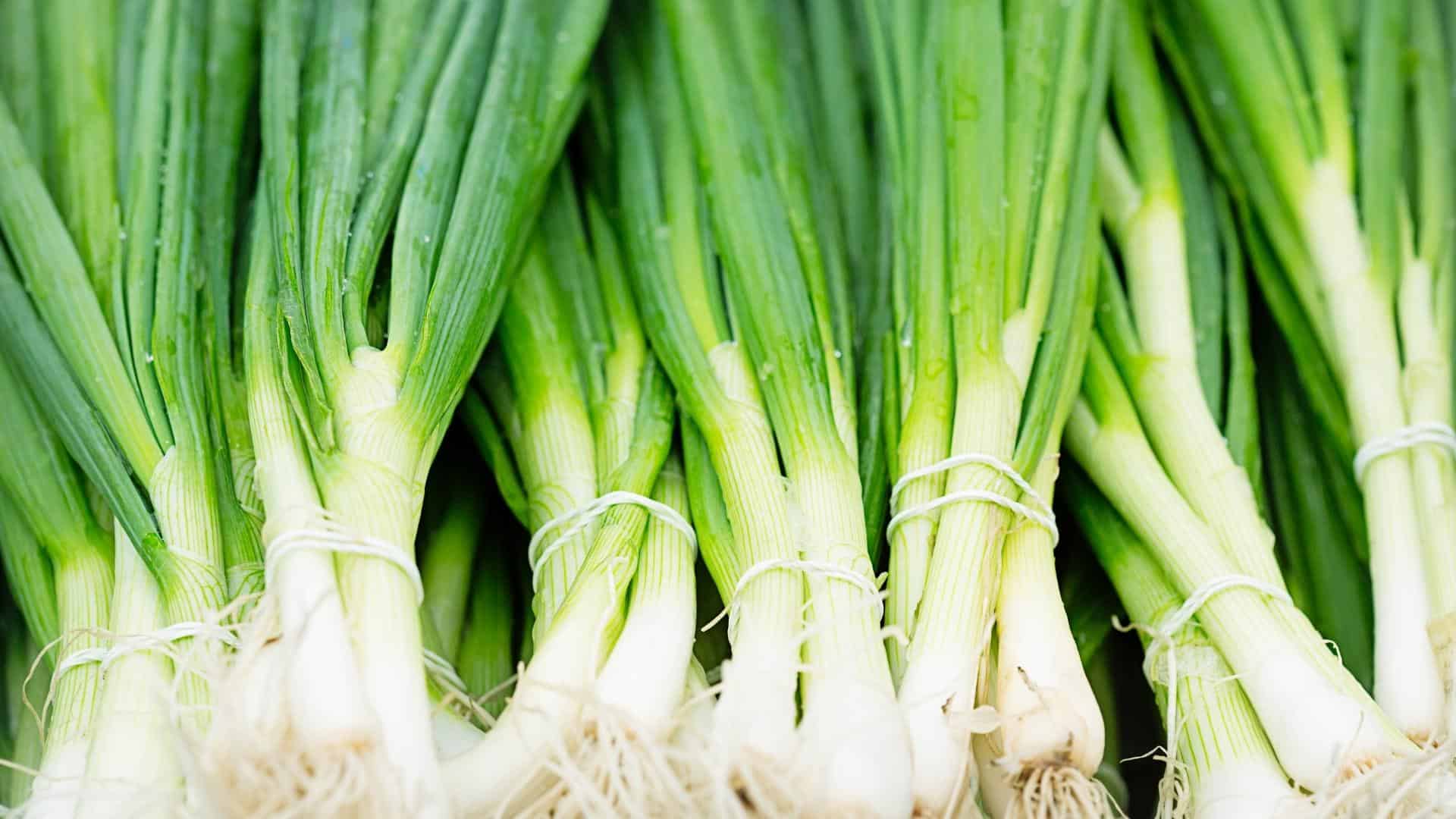
Onions:
Onions grow well in full sun and fertile, well-drained soil. Start from seed, sets, or transplants. Keep beds weed-free and water consistently for even bulb growth.
Rutabaga:
Rutabagas prefer cool weather and rich, moist soil. Sow seeds directly in midsummer for fall harvest. Allow roots to mature in cool temperatures for the best flavor.
Arugula:
Arugula thrives in cool weather and well-drained soil. Sow seeds directly outdoors and harvest young leaves for a tender, peppery flavor. Re-seed every few weeks for continuous growth.
Dill:
Dill prefers full sun and light, well-drained soil. Sow seeds directly outdoors in spring. Harvest leaves early for fresh use and flowers later for pickling and seed collection.
Alaska-Specific FAQs
What’s included in the Food Security Seed Bundle?
The bundle contains twenty dependable Alaska-suited varieties including root crops, greens, herbs, peas, and beans that mature within a short summer season.When should I start these seeds in Alaska?
Most seeds can be started indoors from late March to early April, then transplanted outdoors once soils warm and the risk of frost has passed-typically late May to early June.Can this bundle be used for greenhouse or outdoor growing?
Yes. The varieties were selected for both field and greenhouse performance, making them flexible for any setup.How much garden space will I need?
About 100–150 square feet will accommodate all twenty crops (a few plants of each). For a larger harvest- 200-500 sq feet is recommended.Are these varieties open-pollinated?
Yes. All are open-pollinated and most are heirlooms.
For garden tips: https://seedsandsoilorganics.com/category/alaska-gardening/
Reviews
There are no reviews yet.