

Description
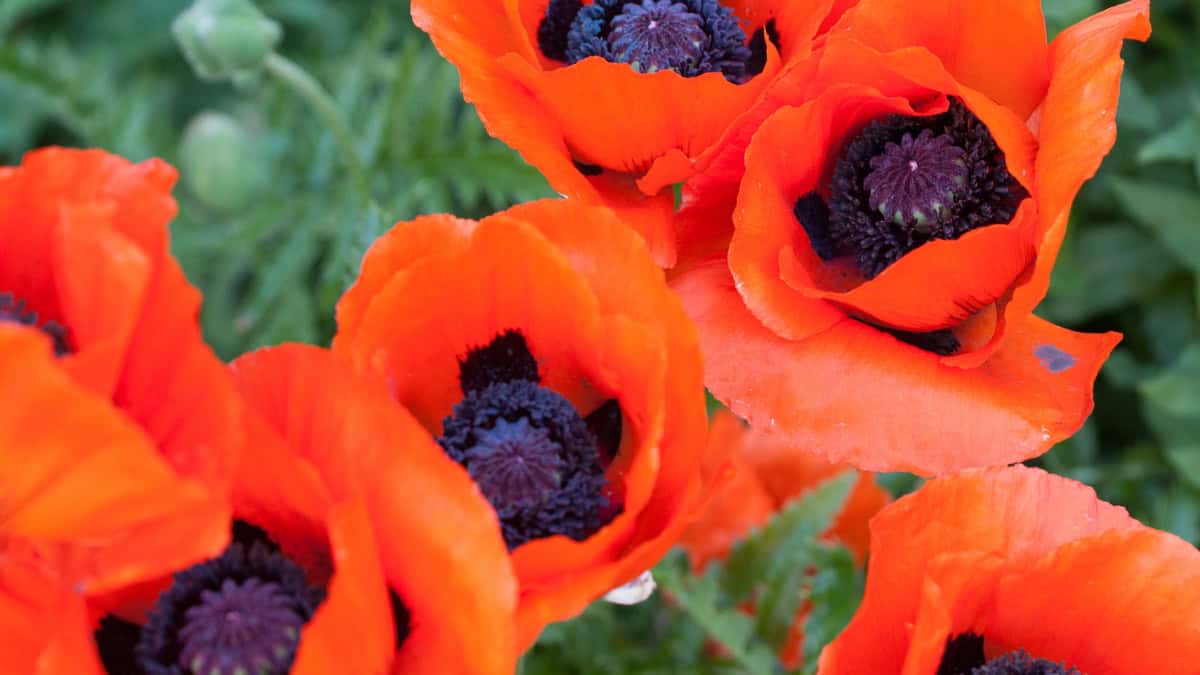
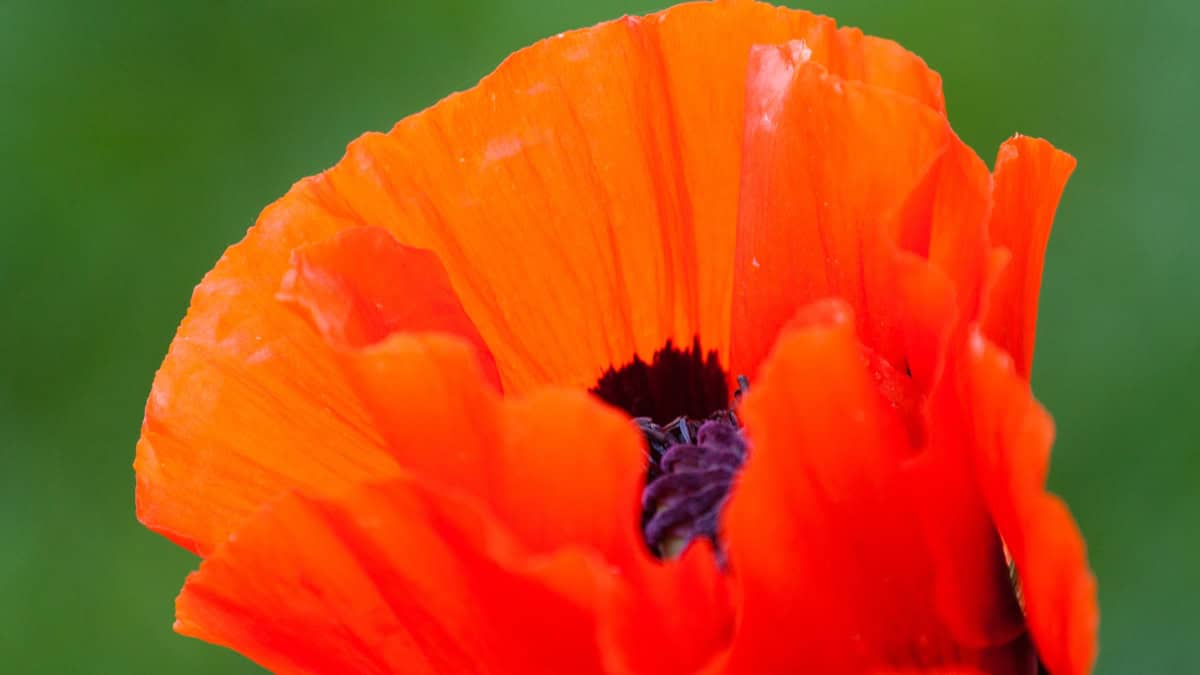
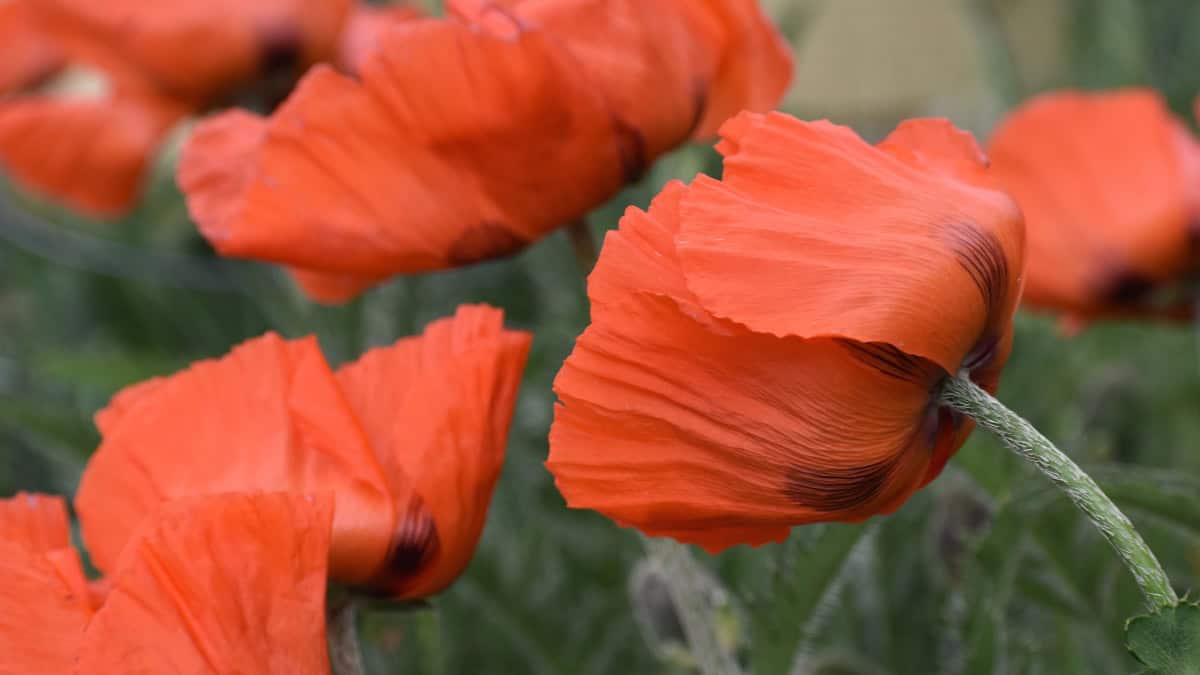
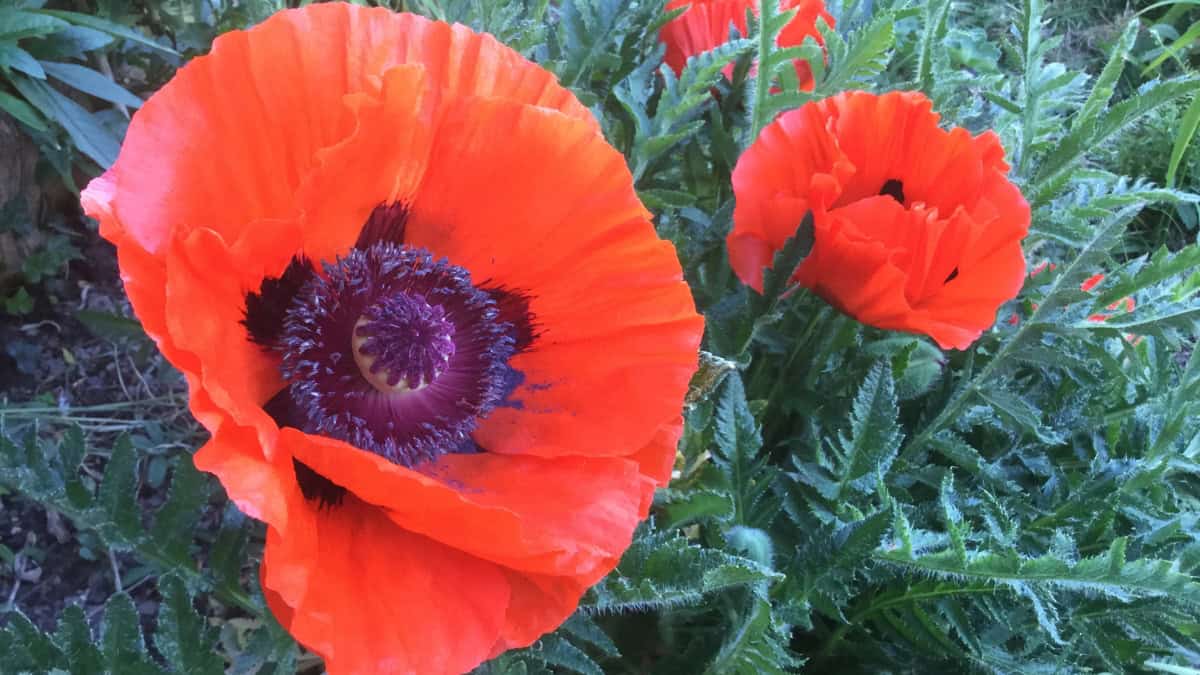
Perennial Poppy The Oriental Poppy (Papaver orientale) is a perennial flower celebrated for its bold, papery blooms in brilliant shades of red and orange. With their dramatic presence, these flowers add a stunning focal point to any garden and return year after year with minimal care once established.
Perennial Poppy Growth Habit and Bloom Time: Oriental Poppies form hardy, clump-like crowns of deep green, finely divided foliage. While they germinate readily from seed, they require a little patience: plants typically bloom in their second or third year as they take time to establish strong roots and foliage before producing their showy flowers. Once they begin blooming, usually in late spring to early summer, they create a spectacular display lasting several weeks.
Starting Seeds Indoors :To start Oriental Poppy seeds indoors, sow seeds in late winter or early spring about 8–10 weeks before your last frost date. Use a well-draining seed-starting mix and gently press the seeds into the surface, they need light to germinate. Keep the soil moist but not waterlogged, and maintain a temperature around 65–70°F. Germination usually takes 14–21 days. Once seedlings have a few sets of true leaves, transplant them into individual pots to grow on until they are ready for the garden. Harden off before planting outdoors, spacing plants 18–24 inches apart in a sunny, well-drained location.
Dividing Established Plants: Oriental Poppies develop thick root clumps over time. To keep plants vigorous and prevent overcrowding, divide them every 3–4 years in late summer after the foliage dies back. Lift the clumps carefully, separate healthy roots, and replant divisions immediately. Water well to encourage establishment before winter.
Long-Term Care: After blooming, Oriental Poppies naturally go dormant, and their foliage will yellow and die back in midsummer. This is normal. Plant late-season perennials or groundcovers nearby to fill in gaps and keep beds looking tidy. With well-drained soil, full sun, and occasional dividing, Oriental Poppies will thrive for many years, rewarding you with brilliant color each spring.


Reviews
There are no reviews yet.