

Description
Hot Pepper Seed Blend – Cayenne & Jalapeño Pepper Seeds
Turn up the heat in your garden with two classic hot pepper varieties!
Our Hot Pepper Seed Blend combines Cayenne and Jalapeño peppers, two popular varieties known for their distinctive flavors, versatile culinary uses, and productive plants.
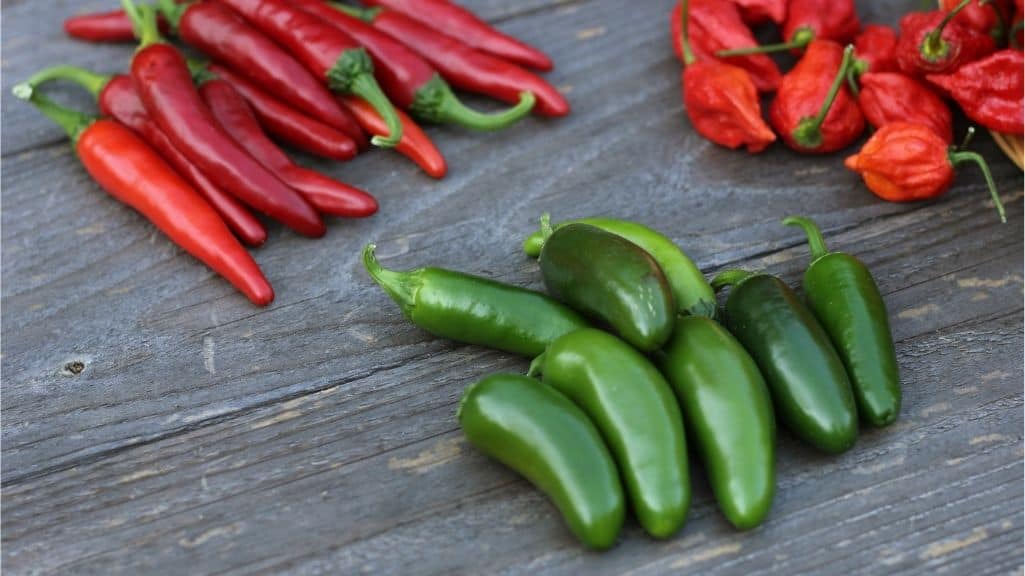
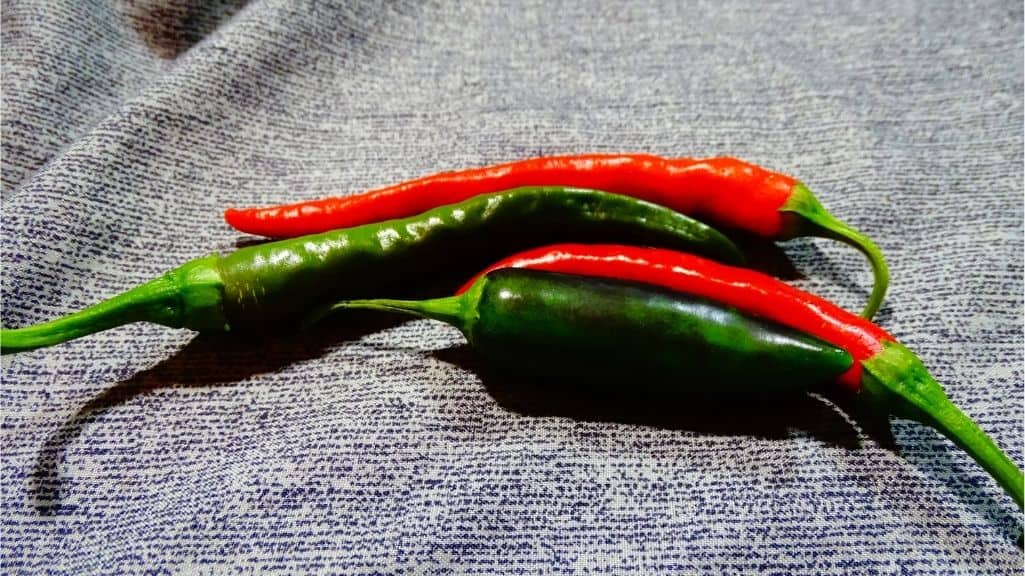
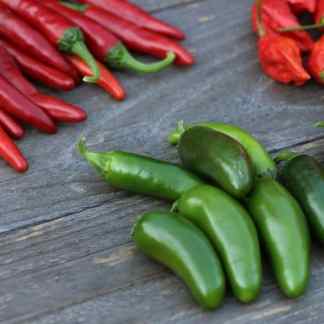
Cayenne peppers produce long, slender fruits that ripen to a brilliant red and deliver a bold, fiery heat. Jalapeños produce thick-walled, flavorful peppers with a moderate kick, perfect for fresh salsa, pickling, stuffing, and homemade hot sauces.
Together, these two varieties provide a wonderful combination of flavor, heat, and versatility. Whether you’re growing peppers for fresh eating, preserving your harvest, or creating your own homemade seasonings, this blend offers plenty of possibilities.
For Alaska gardeners, peppers are a rewarding warm-season crop that benefit from an early indoor start and a warm, protected growing environment. Both varieties can be grown successfully in containers, greenhouses, high tunnels, and other locations that provide sufficient warmth.
Why Grow Our Cayenne & Jalapeño Pepper Blend?
Two Distinct Levels of Heat
Enjoy the moderate, flavorful heat of Jalapeños alongside the more intense spice of Cayenne peppers. This combination gives you flexibility in the kitchen, from mild-to-medium salsas to spicy sauces and dried seasonings.
Excellent for Cooking and Preserving
Both varieties are incredibly versatile. Jalapeños are favorites for fresh salsa, pickling, stuffing, and grilling, while Cayenne peppers are particularly well-suited for drying, grinding into powder, and making homemade hot sauce.
Productive Plants
Under favorable growing conditions, both Cayenne and Jalapeño plants can produce multiple harvests throughout the season. Regular harvesting and consistent care help maintain fruit quality and support continued production.
Great for Containers and Protected Growing Spaces
Peppers thrive in warm, sunny environments and can grow beautifully in large containers, greenhouses, and high tunnels. Growing in containers also allows Alaska gardeners to move plants into protected locations when temperatures drop.
A Colorful Harvest
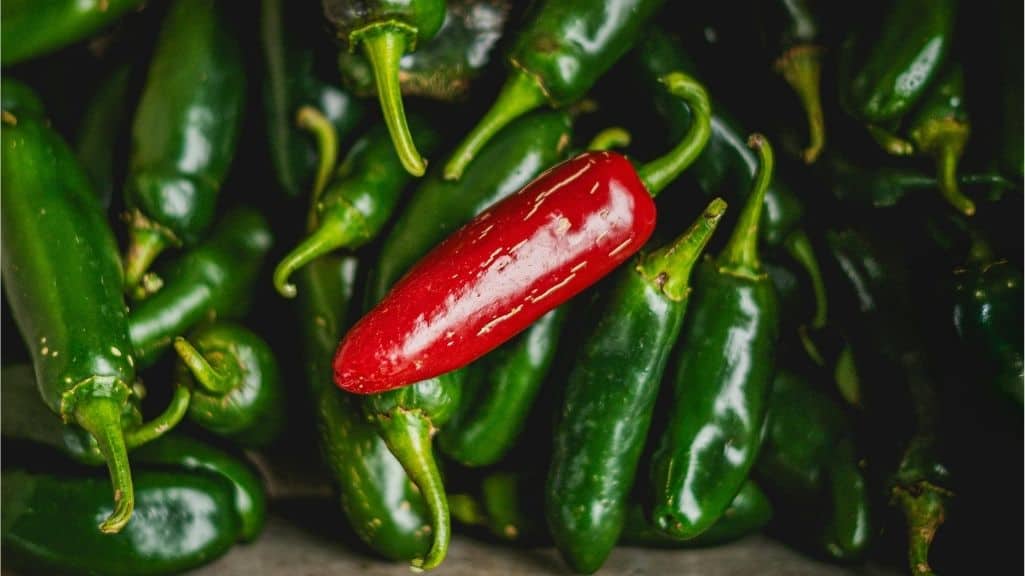
Both varieties typically begin green and ripen to red. Their colorful fruits add visual interest to the garden while providing delicious ingredients for the kitchen.
Open-Pollinated, Non-GMO Varieties
Our Cayenne and Jalapeño blend features traditional open-pollinated pepper types, making them excellent choices for gardeners interested in growing familiar varieties and learning to save their own seeds.
Varieties Included
Cayenne Pepper
Capsicum annuum
Cayenne peppers are famous for their long, slender fruits, bright red color, and fiery heat. Their thin walls make them especially useful for drying, allowing gardeners to create homemade crushed red pepper flakes, pepper powders, and spicy seasonings.
Cayenne peppers can also be used fresh in hot sauces, marinades, soups, and other dishes where a stronger pepper flavor is desired.
Days to Maturity: Approximately 70–85 days from transplanting, depending on cultivar and ripeness
Heat Level: Approximately 30,000–50,000 Scoville Heat Units (SHU)
Fruit Color: Green, ripening to bright red
Fruit Shape: Long, slender, and slightly curved
Best Uses: Drying, pepper flakes, hot sauce, seasoning, and fresh cooking
Jalapeño Pepper
Capsicum annuum
Jalapeños are among the most popular hot peppers grown in home gardens. Their thick-walled fruits have a rich, slightly grassy pepper flavor and moderate heat that works beautifully in a wide variety of recipes.
Jalapeños are commonly harvested green but can also be allowed to ripen to red for a sweeter, more developed flavor.
Days to Maturity: Approximately 65–80 days from transplanting, depending on cultivar and ripeness
Heat Level: Approximately 2,500–8,000 Scoville Heat Units (SHU)
Fruit Color: Green, ripening to red
Fruit Shape: Short, thick-walled, and tapered
Best Uses: Salsa, pickling, stuffing, grilling, hot sauce, and fresh eating
Hot Pepper Blend Growing Information
Scientific Name: Capsicum annuum
Plant Type: Tender perennial typically grown as an annual
Varieties Included: Cayenne and Jalapeño
Days to Maturity: Approximately 65–85 days from transplanting, depending on variety and harvest stage
Seed Starting Depth: ¼ inch
Indoor Seed Starting: Approximately 8–10 weeks before transplanting outdoors
Germination Temperature: Ideally 75–85°F
Germination Time: Approximately 7–21 days under favorable conditions
Plant Spacing: 12–18 inches apart
Row Spacing: 24–36 inches
Plant Height: Approximately 18–36 inches, depending on variety and growing conditions
Sun Requirements: Full sun, ideally 8 or more hours daily
Soil Requirements: Fertile, well-drained soil with a pH around 6.0–7.0
Water Requirements: Consistent moisture without waterlogged roots
Growing Locations: Greenhouses, high tunnels, warm garden beds, and containers
Harvest: Green or fully ripened red peppers
Growing Cayenne and Jalapeño Peppers in Alaska
Peppers are heat-loving plants, so successful production in Alaska begins with an early indoor start and careful attention to growing temperatures.
Start seeds indoors approximately 8–10 weeks before your anticipated transplanting date. Sow seeds ¼ inch deep in a quality seed-starting mix and maintain soil temperatures around 75–85°F for reliable germination.
A seedling heat mat can be particularly helpful because pepper seeds germinate slowly in cool soil.
Once seedlings emerge, provide strong supplemental lighting to encourage sturdy, compact growth.
Transplanting Peppers in Alaska
Pepper plants should not be transplanted into cold soil or exposed to frost.
Wait until nighttime temperatures are consistently above approximately 50°F, with warmer temperatures preferred, before moving plants into their permanent growing locations.
In many Alaska gardens, greenhouses, high tunnels, or large containers provide more reliable growing conditions than unprotected outdoor beds.
Harden off indoor-grown seedlings gradually before transplanting to prevent sunscald, wind damage, and temperature stress.
Maximizing Pepper Production in Short Growing Seasons
Peppers require warmth to grow, flower, and ripen successfully. Alaska gardeners can improve their chances of a productive harvest by providing consistent temperatures, strong light, and well-drained soil.
Avoid excessive nitrogen fertilization, which can encourage leafy growth without corresponding fruit production.
Keep plants consistently watered, especially during flowering and fruit development. Large fluctuations in soil moisture can contribute to blossom-end rot.
Both Cayenne and Jalapeño peppers can be harvested green, allowing gardeners to enjoy peppers before the fruits have fully ripened.
For red peppers, leave fruits on the plants until they develop their mature color.
Frequently Asked Questions About Cayenne and Jalapeño Peppers
What peppers are included in the Hot Pepper Seed Blend?
Our Hot Pepper Seed Blend contains two varieties: Cayenne and Jalapeño. Cayenne peppers provide intense heat and are excellent for drying, while Jalapeños offer moderate heat and are ideal for fresh eating, pickling, and cooking.
Can Cayenne and Jalapeño peppers grow in Alaska?
Yes! Both varieties can be grown in Alaska when started indoors early and provided with sufficient warmth. Greenhouses, high tunnels, and large containers are particularly helpful for extending the growing season and improving fruit production.
Which is hotter, Cayenne or Jalapeño?
Cayenne peppers are considerably hotter than Jalapeños. Cayenne typically measures approximately 30,000–50,000 Scoville Heat Units, while Jalapeños generally range from 2,500–8,000 SHU.
How long do Cayenne and Jalapeño peppers take to grow?
Jalapeños generally begin producing harvestable green peppers approximately 65–80 days after transplanting. Cayenne peppers often require around 70–85 days or longer, depending on the cultivar and desired ripeness. Fully red peppers may take additional time.
Should I start hot pepper seeds indoors in Alaska?
Yes. Starting peppers indoors approximately 8–10 weeks before transplanting is recommended for Alaska gardeners. This gives plants time to establish before the outdoor growing season begins.
Do pepper seeds need heat to germinate?
Pepper seeds germinate best in warm soil, ideally around 75–85°F. A heat mat can help maintain consistent temperatures and improve germination in cool homes.
Can Cayenne and Jalapeño peppers grow together?
Yes! Both varieties have similar requirements for sunlight, warmth, soil, and water, making them excellent choices for growing together in a greenhouse, raised bed, or container garden.
Will Cayenne and Jalapeño peppers cross-pollinate?
Yes, they can cross-pollinate because both belong to the species Capsicum annuum. Cross-pollination does not change the flavor or heat of the peppers produced that season, but seeds saved from crossed plants may produce different characteristics in the next generation.
Can I grow hot peppers in containers?
Absolutely. Both Cayenne and Jalapeño peppers grow well in containers with adequate drainage. A container holding approximately 3–5 gallons of growing medium per plant is a good starting point, although larger containers can support more extensive root development.
Can I harvest Jalapeños when they are green?
Yes. Jalapeños are commonly harvested green when they reach their mature size and have developed firm, glossy skins. They can also be left on the plant to ripen red.
Do Cayenne peppers have to turn red before harvesting?
No. Cayenne peppers can be harvested green, but they are most commonly allowed to ripen red, particularly when intended for drying or making pepper powder.
Can I dry Cayenne and Jalapeño peppers?
Yes. Cayenne peppers are particularly well-suited to drying because of their thin walls. Jalapeños can also be dried, although their thicker walls require more drying time. A food dehydrator is useful for achieving consistent results.
Why are my pepper plants flowering but not producing peppers?
Poor fruit set can result from temperatures that are too hot or too cold, inconsistent watering, inadequate light, or other environmental stress. Peppers generally set fruit best under moderate, warm conditions rather than temperature extremes.
Are Cayenne and Jalapeño peppers annuals or perennials?
Pepper plants are tender perennials in frost-free environments but are generally grown as annuals in Alaska. Healthy plants can sometimes be overwintered indoors with sufficient light, warmth, and pest management.
Grow Your Own Heat!
Whether you’re making fresh salsa, pickling Jalapeños, drying Cayenne peppers, or experimenting with homemade hot sauces, our Hot Pepper Seed Blend offers two flavorful varieties with endless culinary possibilities.
From the moderate heat of Jalapeños to the fiery kick of Cayenne, this blend makes it easy to grow a versatile pepper harvest right at home.
Bring flavor, color, and heat to your garden with our Cayenne & Jalapeño Hot Pepper Seed Blend from Seeds and Soil Farm – Alaska’s Seed Company.
Register for garden classes: https://seedsandsoilorganics.com/product-category/alaska-gardening-classes-growing-guides/

Reviews
There are no reviews yet.