


Description
Annarita Winter Tomato Seeds – Italian Pomodoro d’Inverno
What Is an Annarita Winter Tomato?
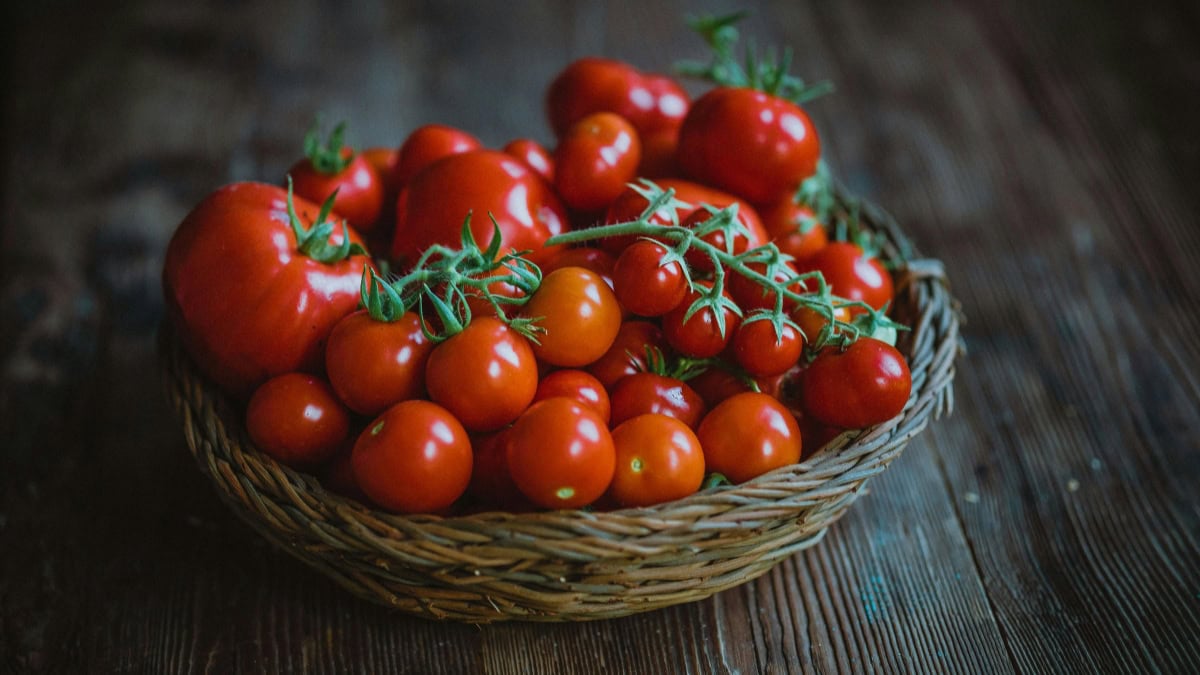
Annarita (Solanum lycopersicum) is an Italian winter storage tomato, traditionally described as a Pomodoro d’Inverno, or winter tomato. It belongs to a group of tomatoes valued for their ability to remain usable beyond the typical summer harvest when grown, harvested, and stored under suitable conditions.
While most gardeners grow tomatoes with the expectation of eating or preserving them shortly after harvest, Italian winter tomato traditions offer another approach.
Rather than depending entirely on canning, freezing, or immediately consuming a harvest, storage tomatoes allow gardeners to explore keeping harvested fruit for later use.
Annarita is an intriguing choice for gardeners interested in traditional Italian vegetable varieties, seed saving, food security, and extending access to homegrown produce.
Why Grow Annarita Winter Tomatoes?
Traditional Italian Winter Tomato Heritage
Italy has a long history of growing tomato varieties selected for their ability to remain usable after harvest.
These tomatoes are often referred to as pomodori d’inverno, meaning winter tomatoes.
Annarita belongs to this tradition of growing tomatoes with postharvest storage in mind.
Extend Your Homegrown Tomato Season
For gardeners in Alaska and other northern regions, the end of the outdoor growing season can arrive quickly.
Winter storage tomatoes offer an opportunity to extend the usefulness of a harvest beyond the final frost.
Although storage life varies, properly handled fruit from suitable varieties may remain usable considerably longer than many conventional fresh-eating tomatoes.
An Interesting Addition to Food Security Gardens
Growing food for storage is an important part of planning a productive garden.
Annarita offers another option for gardeners interested in traditional food-growing practices and reducing reliance on immediate harvest consumption.
Open-Pollinated Tomato Seeds
Annarita is offered as an open-pollinated tomato, making it suitable for gardeners interested in saving seeds and maintaining traditional varieties.
Proper seed-saving practices are important when preserving varietal characteristics.
How to Grow Annarita Winter Tomatoes from Seed
When to Start Annarita Tomato Seeds Indoors
Start Annarita tomato seeds indoors approximately 6–8 weeks before your anticipated transplanting date.
In Alaska, the appropriate starting date depends on your location and whether you plan to grow in a greenhouse, high tunnel, or protected outdoor garden.
Avoid starting tomato plants so early that they become oversized or rootbound before suitable transplanting conditions arrive.
Seed Starting and Germination
Sow seeds approximately 1/4 inch deep in a light, well-draining seed-starting medium.
Maintain temperatures around 75–85°F during germination.
Keep the medium evenly moist but not waterlogged.
Once seedlings emerge, provide strong light to encourage compact, healthy growth.
Light Requirements
Annarita tomatoes require full sun and benefit from warm growing conditions.
Indoor seedlings need adequate lighting, while established plants should receive as much suitable direct sunlight as possible.
Soil and Fertility
Plant in fertile, well-drained soil with sufficient organic matter.
Maintain consistent moisture and provide nutrients according to soil conditions and plant growth.
Avoid excessive nitrogen fertilization, which can encourage vigorous foliage at the expense of fruit production.
Transplanting
Harden off seedlings gradually before moving them into their final growing location.
Tomatoes generally establish best when soil temperatures have warmed to approximately 60°F or higher and nighttime temperatures remain consistently above about 50°F.
Protect plants from frost and prolonged cold conditions.
Plant Support and Airflow
Provide appropriate support as plants develop.
Maintain sufficient spacing and airflow to reduce crowding and support healthy growth.
Adjust pruning and training practices to the growth habit of your particular plants.
Can You Grow Annarita Winter Tomatoes in Alaska?
Yes. Annarita can be grown in Alaska when suitable warmth, light, and protection are provided.
However, winter storage tomatoes are not winter-hardy tomato plants.
The term winter tomato refers to the ability of harvested fruit to remain usable beyond the growing season, not the plant’s ability to survive freezing temperatures.
Like other tomatoes, Annarita requires protection from frost.
Greenhouses, high tunnels, and warm, sheltered growing locations can improve growing conditions and help extend the productive season.
At Seeds & Soil Farm in Palmer, Alaska, we focus on helping gardeners understand the individual needs of different varieties and adapt growing techniques to northern conditions.
How to Harvest Annarita Tomatoes for Storage
The way storage tomatoes are harvested and handled can influence how long the fruit remains usable.
Choose healthy fruit without visible damage, disease, or decay.
Harvest maturity should be appropriate for the variety and intended storage method.
Handle fruit carefully to avoid bruising, punctures, or damage that may shorten storage life.
Traditional Italian storage tomato practices often involve keeping harvested tomatoes in protected, ventilated locations.
Storage conditions should be monitored, and fruit should be inspected regularly.
Discard tomatoes showing mold, leakage, decay, or other signs of spoilage.
How Long Can Annarita Winter Tomatoes Be Stored?
Annarita is grown for its winter storage characteristics, but there is no single storage duration that applies to every harvest.
Keeping quality depends on factors such as:
- Fruit maturity at harvest
- Fruit health and condition
- Growing conditions
- Harvest handling
- Storage temperature and humidity
- Air circulation
- Individual fruit characteristics
Some traditional Italian winter storage tomato varieties can remain usable for months under suitable conditions.
Storage performance should be evaluated for each harvest rather than assuming a guaranteed shelf life.
How to Use Annarita Winter Tomatoes
Annarita tomatoes can be used in a variety of tomato-based dishes.
Depending on fruit maturity and condition, they may be enjoyed fresh or incorporated into cooked meals such as pasta sauces, soups, stews, and roasted vegetable dishes.
Winter storage tomatoes are particularly interesting for gardeners who want to enjoy homegrown ingredients beyond the summer harvest.
Annarita vs. Piennolo Rosso: What’s the Difference?
Annarita and Piennolo Rosso are both Italian winter storage tomato selections.
Both are associated with traditional approaches to extending the usefulness of harvested tomatoes.
Piennolo Rosso is especially well known for the hanging tomato traditions associated with the Mount Vesuvius region of Italy.
Annarita is another named Italian winter tomato selection that offers gardeners an opportunity to explore traditional storage characteristics.
The exact differences in fruit shape, flavor, growth habit, maturity, and storage performance depend on the specific seed selections being grown.
Gardeners interested in comparing storage tomato varieties may enjoy growing both.
Frequently Asked Questions About Annarita Winter Tomatoes
What is an Annarita winter tomato?
Annarita is an Italian tomato variety described as a Pomodoro d’Inverno, meaning winter tomato. It is grown for its postharvest keeping characteristics and belongs to the species Solanum lycopersicum.
What does Pomodoro d’Inverno mean?
Pomodoro d’Inverno is Italian for winter tomato. The term generally refers to tomatoes traditionally grown for extended postharvest storage rather than cold-hardy plants that grow outdoors through winter.
How long do Annarita tomatoes last after harvest?
Storage duration depends on fruit maturity, harvest handling, variety characteristics, and storage conditions. Winter storage tomato varieties may remain usable for months, but no specific storage period is guaranteed.
Can I grow Annarita tomatoes in Alaska?
Yes, provided the plants receive suitable warmth, light, and frost protection. Greenhouses and high tunnels can help create favorable growing conditions in Alaska’s short season.
When should I start Annarita tomato seeds indoors in Alaska?
Start seeds approximately 6–8 weeks before your expected transplanting date. Adjust the timing according to your growing location and whether you use a greenhouse, high tunnel, or outdoor garden.
Are Annarita tomatoes frost tolerant?
No. Annarita is a warm-season tomato. Its winter storage characteristics relate to harvested fruit, not the living plant’s ability to tolerate freezing conditions.
Are Annarita and Piennolo Rosso the same tomato?
No. They are sold as distinct named winter storage tomato selections. Both are associated with Italian storage tomato traditions, but their exact fruit and growing characteristics should be evaluated according to the seed selection.
Do I need a greenhouse to grow Annarita?
A greenhouse is not strictly required, but it can improve growing conditions in cool climates. Warm, protected outdoor locations may also be suitable depending on the local growing season.
Where can I buy Annarita winter tomato seeds?
Seeds & Soil Farm – Alaska’s Seed Company offers Annarita winter tomato seeds for gardeners interested in Italian heirloom varieties, winter storage tomatoes, and growing food beyond the traditional harvest season.
Learn More About Growing Winter Tomatoes in Alaska
Interested in growing Italian storage tomatoes in northern climates?
Explore our Growing Tomatoes in Alaska Class, where we discuss variety selection, transplanting, greenhouse and outdoor cultivation, fruit development, harvesting, and winter tomato storage.
Our May 12, 2027 in-person class in Palmer includes established winter tomato plants, onion and shallot sets, and practical interplanting instruction. https://seedsandsoilorganics.com/product-category/alaska-gardening-classes-growing-guides/page/2/
Grow Tomatoes for More Than the Summer Harvest
Annarita offers an opportunity to explore a different approach to growing and using tomatoes.
By combining traditional Italian storage varieties with thoughtful growing, harvesting, and handling practices, gardeners can explore ways to extend the usefulness of homegrown food beyond the outdoor season.
Grow Annarita winter tomatoes and discover the possibilities of traditional Italian storage varieties.


Reviews
There are no reviews yet.