
Description
Alaska Wildflower Seed Bundle – Five Beautiful Varieties for Pollinator Gardens
Bring the Beauty of Alaska’s Wildflowers Into Your Garden
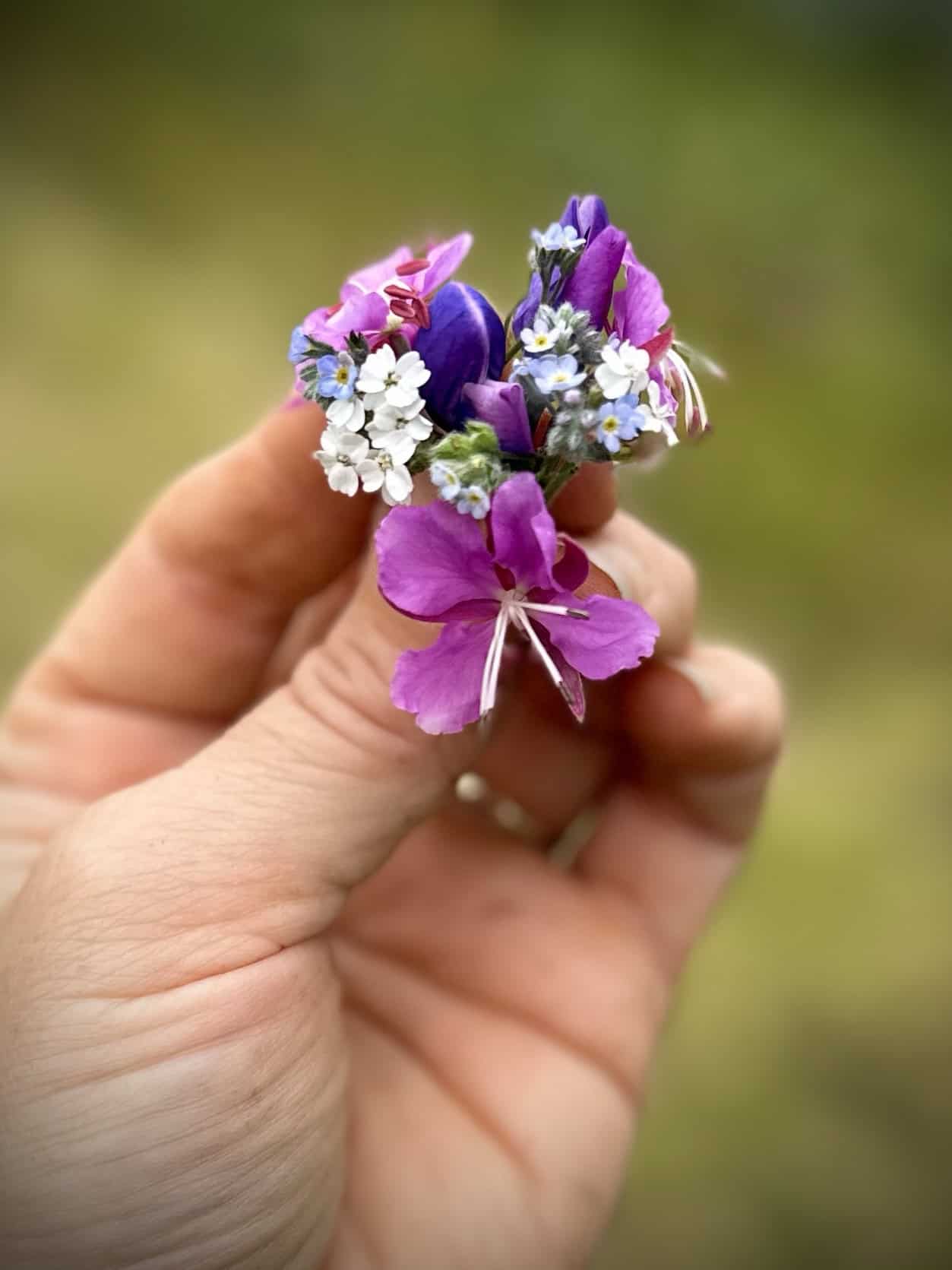
Imagine a garden filled with brilliant pink fireweed, delicate blue forget-me-nots, colorful lupine, graceful iris, and clusters of yarrow alive with visiting pollinators.
Our Alaska Wildflower Seed Bundle brings together five beautiful flowering species inspired by the natural beauty of northern landscapes.
Each variety is individually packaged, giving you the freedom to create a naturalistic wildflower garden, establish separate planting areas, or grow each species according to its preferred conditions.
These premium-quality, non-GMO seeds are cultivated on our micro seed farm rather than collected from wild populations.
Whether you’re creating a pollinator-friendly flower garden, adding diversity to an established landscape, or simply want to enjoy the beauty of wildflowers, this collection offers a wonderful place to begin.
A Personal Favorite From Seeds & Soil Farm
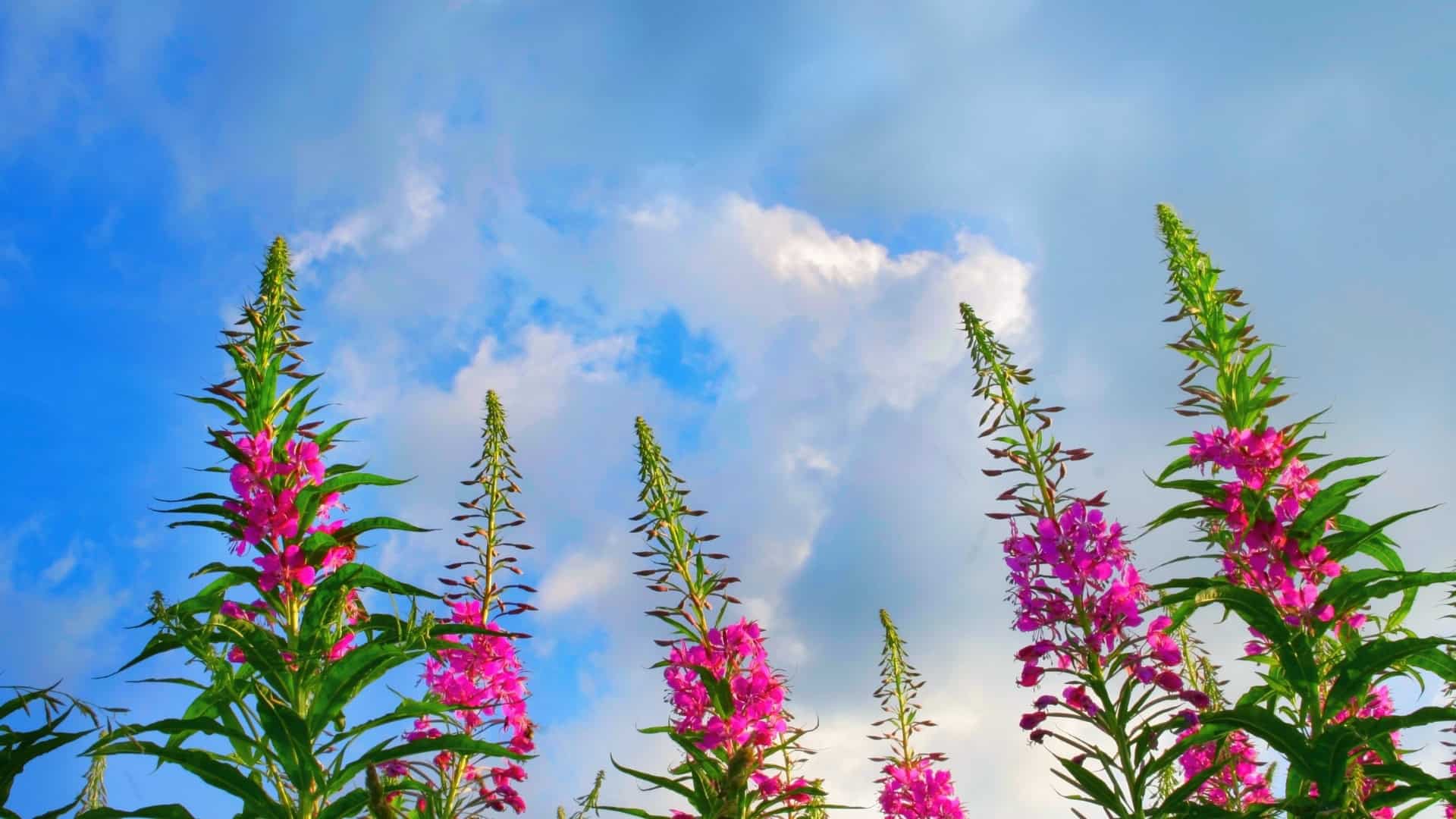
Of all the wildflowers we grow, fireweed is my favorite.
Its brilliant pink flower spikes are one of the most recognizable signs of summer in Alaska.
Fireweed is also one of the most challenging seeds for us to harvest. Its delicate seeds require careful timing and handling, making the process particularly rewarding.
Growing and collecting wildflower seeds has given us an even greater appreciation for the plants that make Alaska’s landscapes so remarkable.
This bundle brings together five flowers we love for their individual beauty and the diversity they can bring to a cultivated garden.
What’s Included in the Alaska Wildflower Seed Bundle?
Five individual packets containing approximately 170 seeds total.
1. Fireweed – Approximately 50 Seeds
Chamaenerion angustifolium
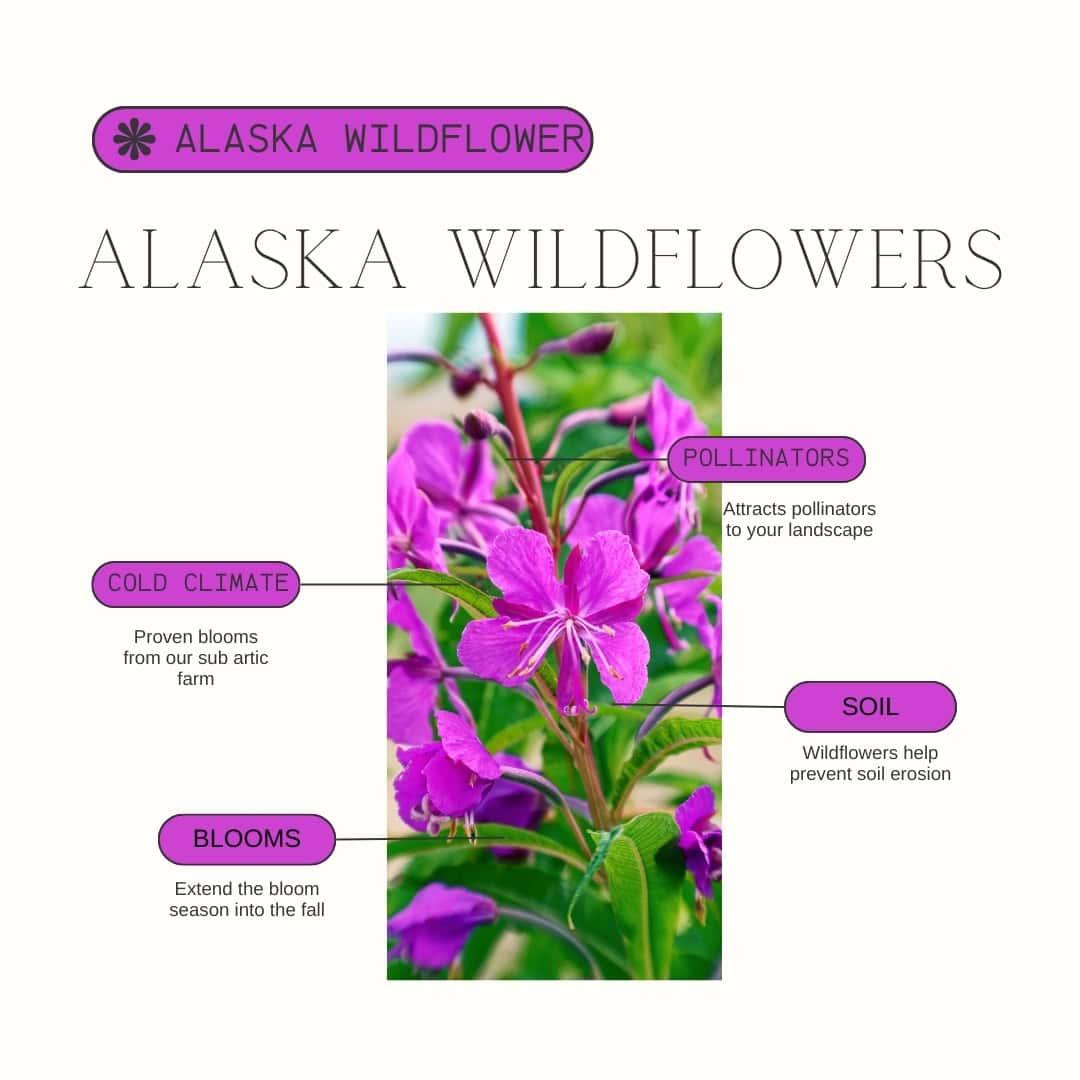
Fireweed is one of Alaska’s most iconic wildflowers, producing tall spikes of vibrant pink flowers during the summer.
Its blooms attract bees and other pollinators, while its dramatic height creates an impressive backdrop for naturalistic flower gardens.
Fireweed often colonizes disturbed ground and benefits from suitable light and seedbed conditions.
Its very small seeds should not be deeply buried.
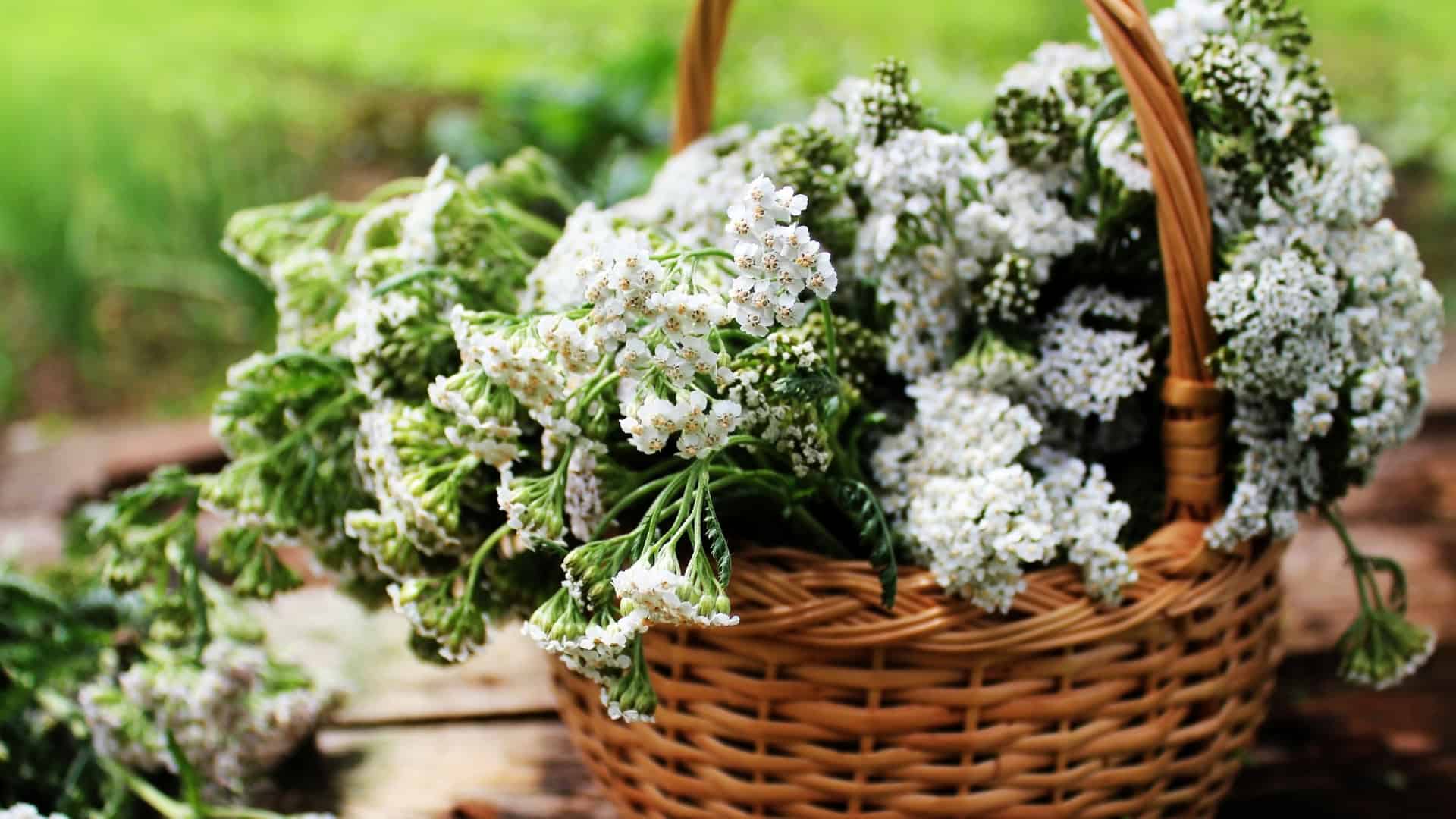
2. Yarrow – Approximately 50 Seeds
Achillea millefolium
Yarrow is a versatile perennial known for its finely divided foliage and clusters of small flowers.
Its blossoms provide accessible floral resources for a variety of beneficial insects.
Once established in suitable conditions, yarrow can be relatively low-maintenance and drought tolerant.
It is an excellent choice for adding texture and diversity to a flower garden.
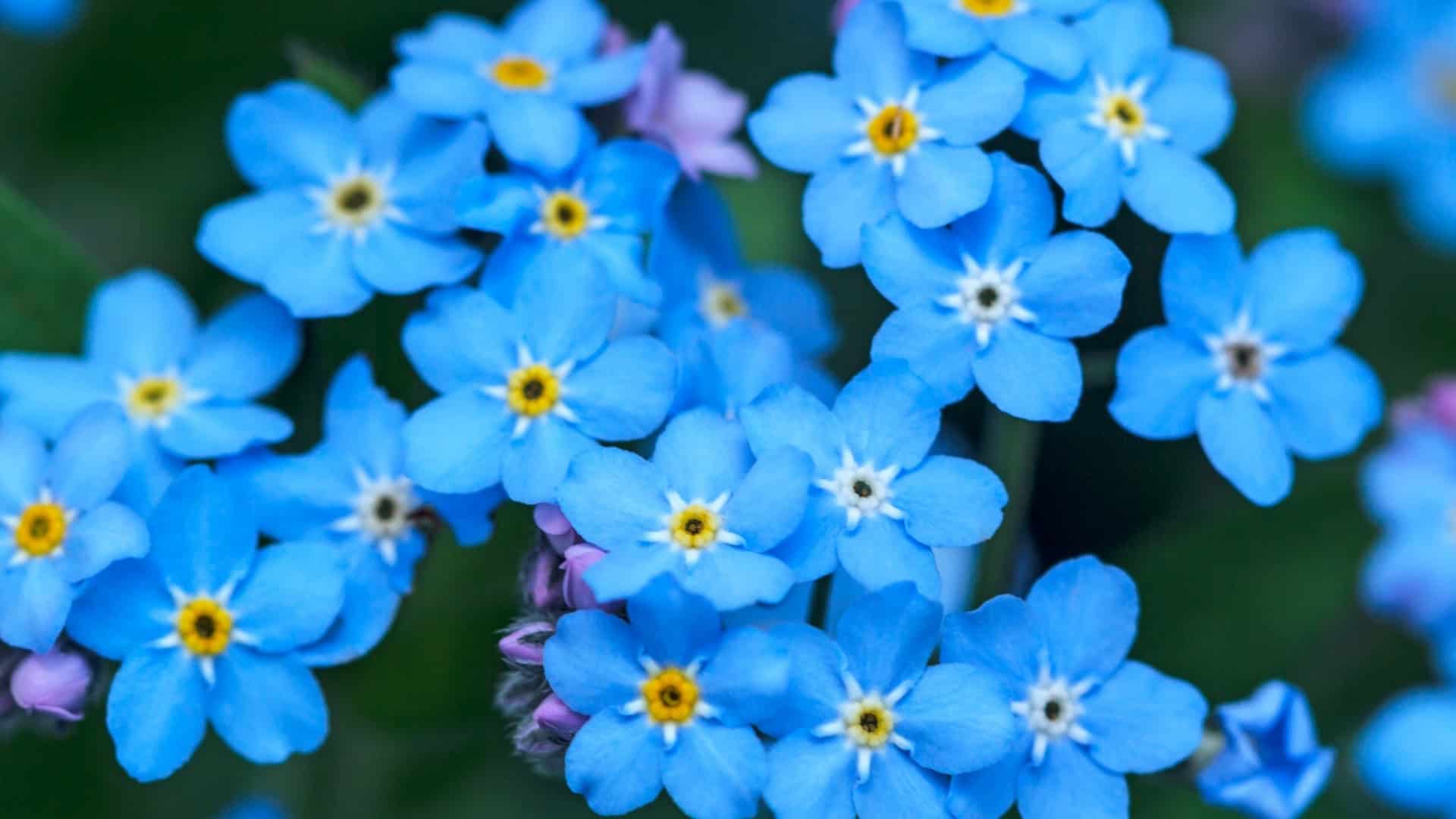
3. Forget-Me-Not – Approximately 50 Seeds
Myosotis alpestris
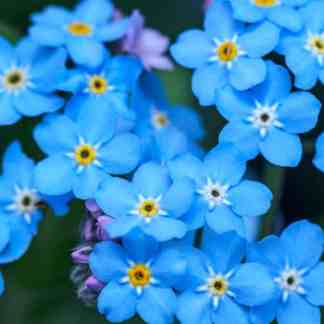
Forget-me-nots are beloved for their small blue flowers and delicate appearance.
The alpine forget-me-not is closely associated with Alaska’s state flower and the state’s natural landscapes.
These charming flowers can be incorporated into garden borders, woodland-inspired plantings, and naturalistic flower beds.
They generally appreciate well-drained soil and adequate moisture during establishment.
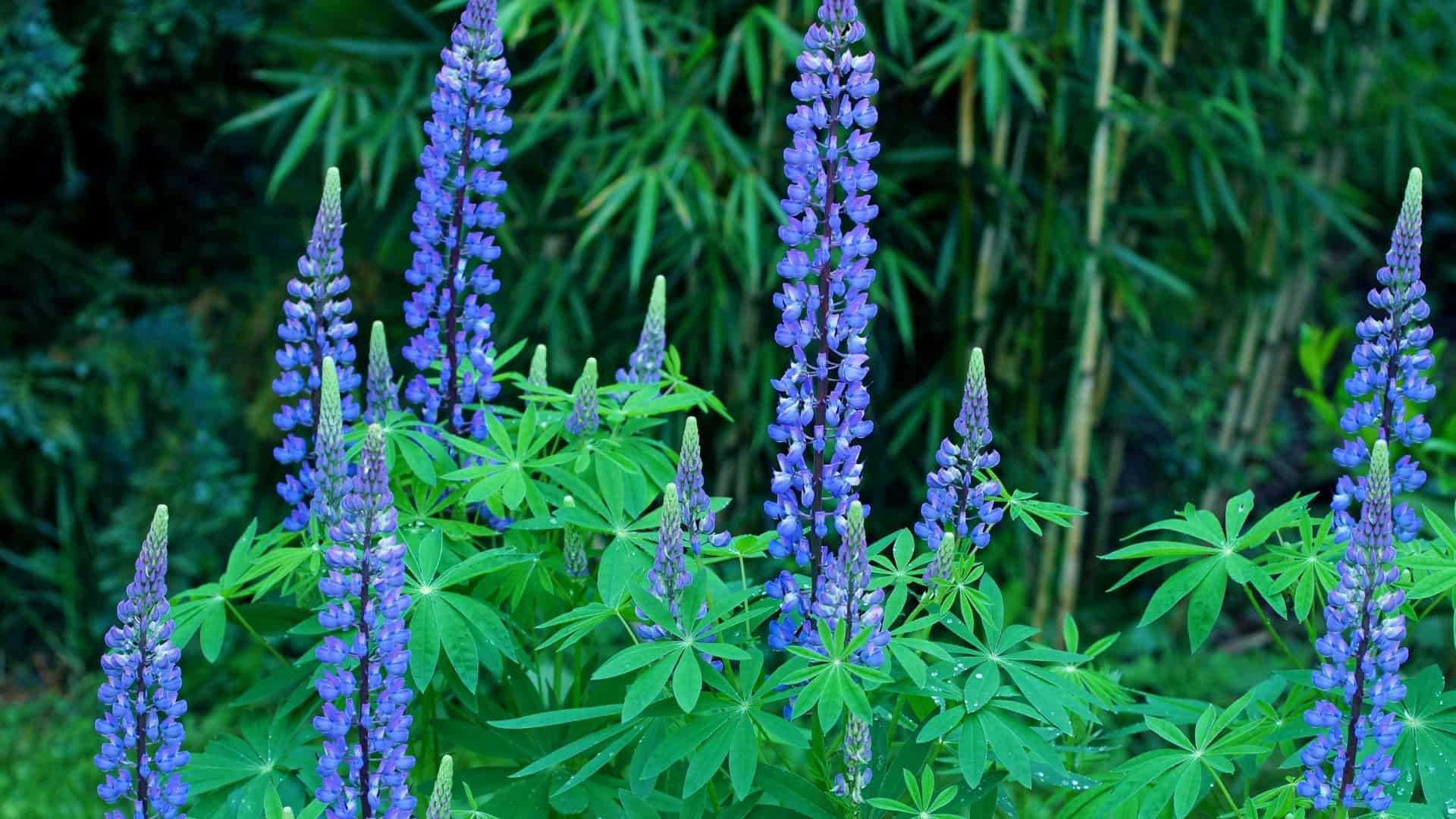
4. Wild Lupine – Approximately 10 Seeds
Lupinus perennis
Wild Lupine produces striking upright spikes of flowers that add height and color to a garden.
Its blossoms can attract bumblebees and other pollinating insects.
This species prefers well-drained soil and often performs well in relatively open, sandy conditions.
Lupine seeds have hard seed coats, and germination may benefit from species-appropriate scarification or other pretreatment.
Safety warning: All parts of lupine plants, including seeds, should be treated as potentially poisonous if ingested. Keep away from children, pets, and livestock. Do not use for food or medicinal purposes.
5. Wild Iris – Approximately 10 Seeds
Iris versicolor
Wild Iris produces elegant flowers and distinctive upright, sword-like foliage.
Its ornamental appearance makes it a beautiful addition to naturalistic garden plantings.
Unlike some of the other species in this bundle, Iris versicolor generally prefers consistently moist soil and can be well suited to appropriately managed rain gardens and damp planting areas.
Iris seeds may require an extended cold, moist stratification period before germinating.
Iris plants and rhizomes are also toxic if ingested.
Why Choose Our Wildflower Seed Bundle?
Five Varieties, Individually Packaged
Unlike a premixed packet, our bundle contains five individual seed packets.
This makes it easier to follow the correct germination instructions, select appropriate planting locations, and give each species the conditions it needs.
Cultivated Seeds From Our Micro Seed Farm
Our seeds are cultivated rather than harvested from wild populations.
We value responsible seed production and recognize the importance of protecting naturally occurring plant communities.
Create a Pollinator-Friendly Garden
Fireweed, yarrow, lupine, forget-me-not, and iris contribute different flower shapes and seasonal interest.
When established in suitable conditions, these plants can provide floral resources for bees and other pollinating insects.
Enjoy Natural Beauty With Less Maintenance Once Established
Many of these wildflowers are perennial and can return for multiple growing seasons.
Maintenance needs vary by species, site conditions, and establishment stage. Young seedlings require more attention than mature plants.
Create a Peaceful, Beautiful Garden
Wildflowers can transform a garden into a space for observing seasonal changes, enjoying flowers, and watching pollinators.
Their different colors, heights, and textures create a relaxed, naturalistic appearance.
How to Grow Wildflower Seeds in Alaska
Wildflower seeds do not all germinate or grow in the same way.
Because this bundle contains five separate packets, you can follow the instructions for each variety rather than treating all five as one uniform seed mixture.
When to Sow Wildflower Seeds
Late fall and early spring can both be useful planting periods for wildflowers in Alaska.
Fall sowing allows seeds to experience natural winter conditions, which may help species that require cold, moist stratification.
Spring sowing may require pretreatment for certain varieties.
For lupine, consider the seed coat and potential need for scarification. Iris may require a longer cold stratification period.
Preparing the Soil
Remove competing weeds and vegetation before sowing.
Lightly rake or prepare the soil surface to create good seed-to-soil contact.
Avoid burying very small seeds too deeply.
Choose planting areas based on each species’ individual moisture, sunlight, and drainage requirements.
Sunlight Requirements
Most species in this bundle grow well in full sun or suitable partial shade.
However, the amount of sunlight needed varies by plant.
Fireweed and lupine generally appreciate open, sunny conditions, while iris and forget-me-not may benefit from sites with appropriate moisture.
Watering and Establishment
Keep the soil appropriately moist during germination and early seedling development.
Avoid waterlogging species that prefer well-drained soil.
Once established, individual species may have different watering requirements.
Will These Wildflowers Return Each Year?
Many of the species in this bundle are perennial and can return in subsequent growing seasons when planted in suitable conditions.
Some may also spread by seed or underground growth.
Not all species will necessarily flower in their first year.
Frequently Asked Questions
What is included in the Alaska Wildflower Seed Bundle?
The bundle contains five individually packaged varieties: approximately 50 fireweed seeds, 50 yarrow seeds, 50 forget-me-not seeds, 10 wild lupine seeds, and 10 wild iris seeds. Each packet includes its own sowing and growing instructions.
Are these seeds harvested from the wild?
No. These are cultivated seeds from our micro seed farm. We use cultivated seed production rather than collecting seeds from natural wildflower populations.
Are all five wildflowers native to Alaska?
No. The bundle includes plants associated with Alaska and northern gardens, but the exact species have different geographic origins. For example, Lupinus perennis and Iris versicolor are not Alaska-native species. This bundle is intended for cultivated gardens, not restoration or direct seeding into natural habitats.
When should I sow wildflower seeds in Alaska?
Late fall before lasting snowfall or early spring can be appropriate, depending on the species. Fall sowing may provide natural cold exposure for seeds requiring stratification.
Do wildflower seeds need cold stratification?
Some do. Iris seeds often benefit from cold, moist stratification, while lupine germination may benefit from scarification because of its hard seed coat. Requirements differ among species, so follow each packet’s instructions.
Do I need to prepare the soil before planting?
Yes. Clear existing vegetation, lightly prepare the soil surface, and provide good seed-to-soil contact. Choose planting areas based on each species’ preferred soil moisture and drainage.
How much sunlight do these wildflowers need?
Most benefit from full sun to partial shade, but the ideal conditions vary. Fireweed and lupine generally prefer open conditions, while iris and forget-me-not can benefit from suitable moisture.
Will these wildflowers reseed themselves?
Some may self-seed when conditions are favorable. Several are perennials that can return each year once established. Growth and spreading behavior vary by species.
Can I grow these wildflowers in containers or raised beds?
Yes, although success depends on container size, root development, drainage, and winter protection. Containers should provide sufficient root depth, and moisture requirements must be managed separately for different species.
Are these wildflowers good for bees and pollinators?
Yes. Several species in this bundle produce flowers visited by bees and other pollinating insects. Growing a diversity of flowering plants can help provide different floral resources throughout the season.
Are lupine seeds poisonous?
Yes. Lupine seeds and other plant parts may contain toxic alkaloids and can cause poisoning if ingested. Keep seeds and plants away from children, pets, and livestock.
What USDA growing zones are recommended?
This bundle is generally recommended for gardens in USDA Zones 3–8, but the suitability of each species depends on local climate, winter conditions, soil, and moisture. Hardiness zones alone do not guarantee successful establishment.
Do all five varieties bloom the first year?
Not necessarily. Some wildflowers establish roots and foliage before producing significant flowers. Blooming times and maturity differ by species.
Learn More About Growing Wildflowers in Alaska
Read our guide:
Alaska Wildflower Seeds – Growing Tips and Information
Explore more gardening advice and stories:
Seeds & Soil Farm Gardening Articles
Important Planting and Safety Information
These seeds are intended for ornamental cultivation in managed garden settings.
Because the bundle includes species with different native ranges, avoid introducing them into undisturbed natural areas, conservation lands, or sensitive habitats.
Lupine warning: Lupinus perennis is poisonous if ingested. Exercise extreme caution around children, pets, and livestock.
Iris warning: Iris versicolor is also toxic if ingested.
Keep all seed packets out of reach of children and animals. Do not consume the seeds or plants.
Create Your Own Wildflower Garden
From the unmistakable pink flowers of fireweed to the graceful blooms of wild iris, this collection celebrates the beauty and diversity of flowering plants.
With five individually packaged varieties and planting instructions included, you can create a colorful garden while learning the unique characteristics of each species.
Bring the beauty of Alaska-inspired wildflowers home with Seeds & Soil Farm – Alaska’s Seed Company.


Reviews
There are no reviews yet.