



Description
Alaska Spring Seed Starting Class 2027 – Seeds Included
Wednesday, March 3, 2027 | 6:30 PM
The Valley Annex | 247 S Alaska Street, Palmer, Alaska
Grow Your Best Alaska Garden, Starting This Spring
Imagine heading into Alaska’s growing season knowing exactly when to start your seeds, which vegetables to plant directly outdoors, and how to grow healthy seedlings ready for the garden.
No more guessing about planting dates, struggling with leggy seedlings, or wondering whether you started your vegetables too early or too late.
Join Seeds & Soil Farm for our 2027 Alaska Spring Seed Starting Class in Palmer, a practical, beginner-friendly gardening workshop designed specifically for Alaska’s short growing season.
For 10 years, we’ve been growing, testing, and saving seeds in Alaska, learning which varieties perform well in northern conditions and how to give them the best possible start.
We’ll share that experience with you, along with over $70 worth of seeds included with your registration.
Whether you’re starting your first garden or looking for more consistent results, this class will help you grow with greater confidence.
What Will You Learn in Our Alaska Spring Seed Starting Class?
This class covers the essentials of starting vegetables from seed, with a focus on affordable, practical methods that work in real Alaska gardens.
When to Start Seeds Indoors in Alaska
Learn how to determine seed-starting dates based on your location, expected outdoor planting dates, and the needs of individual crops.
We’ll explain why some vegetables need an early indoor start while others grow better when planted closer to summer.
You’ll learn how to create a realistic seed-starting schedule instead of relying on generic gardening calendars written for warmer climates.
Which Vegetables Should Be Direct Sown?
Not every vegetable needs to be started indoors.
We’ll discuss which crops generally perform best when planted directly into garden soil, including carrots, peas, beans, and beets, and how soil temperature and growing conditions influence planting decisions.
We’ll also explain when starting certain crops indoors can be helpful and when it’s better to wait.
How to Grow Strong, Healthy Seedlings
Learn the fundamentals of successful seed germination and early plant growth, including:
- Choosing an appropriate seed-starting medium
- Understanding germination temperatures
- Using grow lights effectively
- Watering seedlings without overwatering
- Providing appropriate nutrients
- Preventing weak, leggy seedlings
- Knowing when to pot up young plants
- Preparing seedlings for outdoor transplanting
We’ll focus on practical methods that don’t require an expensive growing setup.
Hardening Off and Transplanting
Moving seedlings from indoors to an Alaska garden requires planning.
Learn how to gradually acclimate young plants to sunlight, wind, and temperature changes, and how to recognize when conditions are suitable for transplanting.
Over $70 Worth of Seeds Included
Your Spring Seed Starting Class includes a collection of heirloom and open-pollinated seeds selected for northern growing conditions.
Your seed collection includes:
- Lettuce
- Beets
- Cauliflower
- Kale
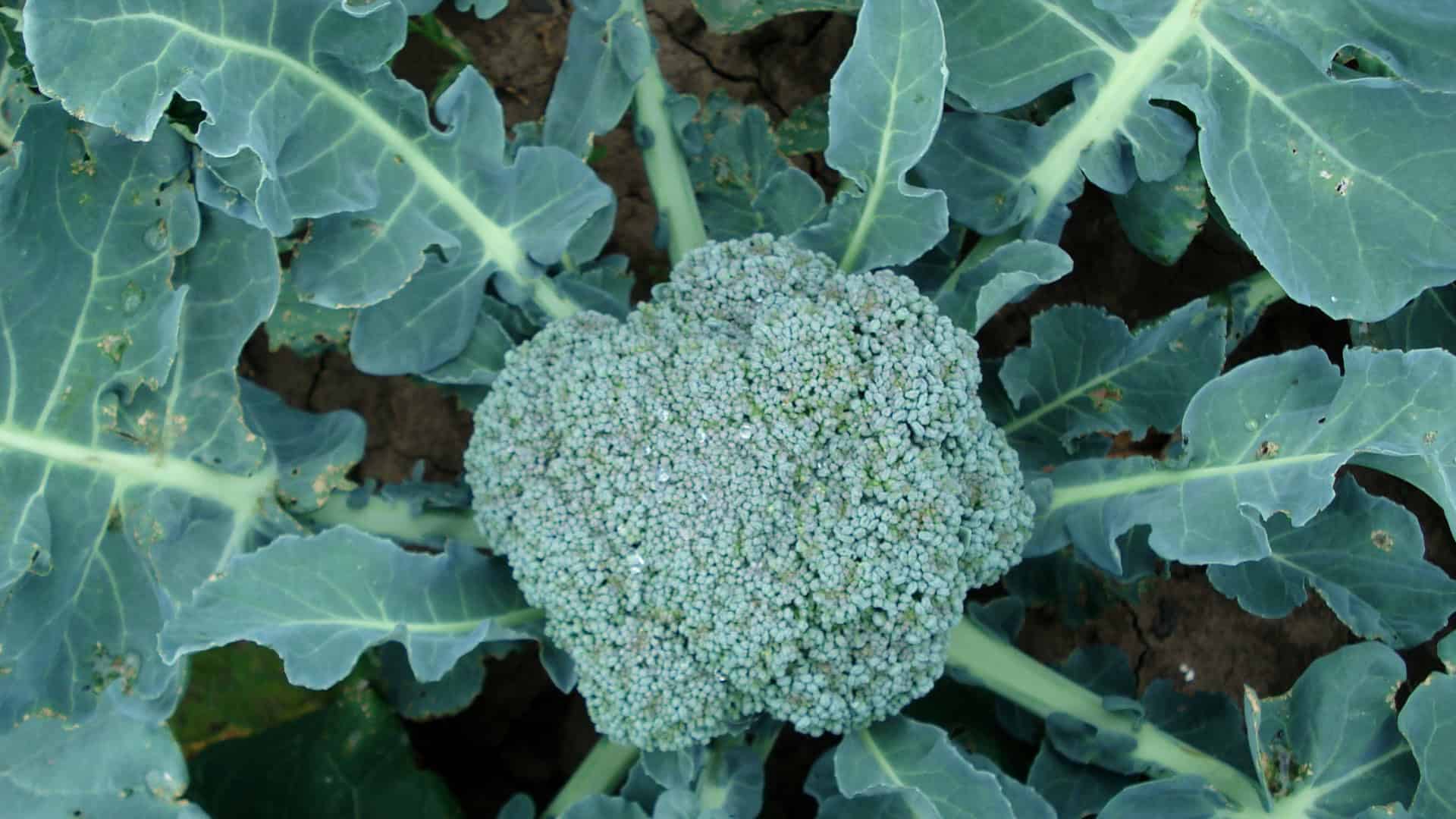
- Broccoli
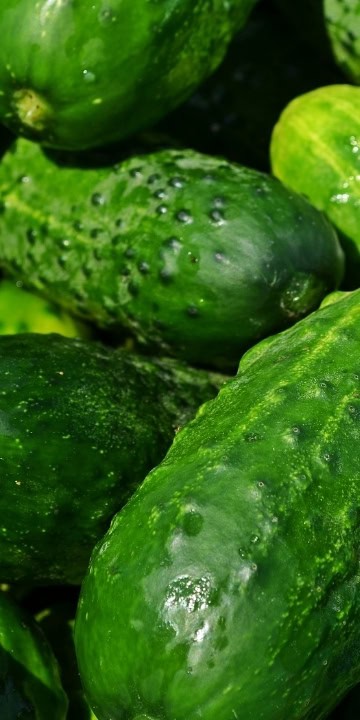
- Cucumbers
- Squash
- Zucchini
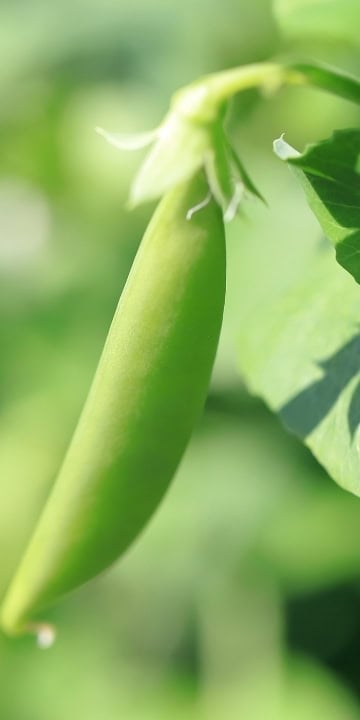
- Peas
- Beans
- Carrots
- Cherry Tomato
These 12 crops offer opportunities to grow everything from early spring greens and root vegetables to productive summer crops.
We’ll discuss how to grow each crop, which varieties benefit from an indoor start, and which are generally better suited to direct sowing.
You’ll learn why cool-season vegetables such as peas, kale, and lettuce have different requirements from warm-season crops such as cucumbers, beans, squash, and tomatoes.
Our goal is to help you understand your seeds, not simply send you home with a collection of packets.
Learn When to Start and When to Wait
One of the most common mistakes gardeners make in Alaska is starting every vegetable too early.
Some crops need several weeks of indoor growth before transplanting. Others develop quickly and can become rootbound or stressed when kept indoors too long.
We’ll show you how to calculate planting dates, recognize differences between crops, and build a growing schedule that works for your garden.
Understanding when to wait can be just as important as knowing when to begin.
Garden Planning, Interplanting, and Permaculture
Your registration also includes a sample garden design based on practical permaculture principles.
We’ll introduce interplanting and polyculture, two approaches that incorporate multiple crops into thoughtful garden layouts.
Learn how to use growing space efficiently, consider plant spacing and maturity, support biodiversity, and plan a productive garden.
These principles can be adapted to raised beds, traditional garden rows, small backyard gardens, and larger growing areas.
Celebrating 10 Years of Seeds & Soil – Free Permaculture Design Course
This year marks 10 years of Seeds & Soil, and we’re celebrating by giving our in-person students another valuable educational resource.
Every in-person class registration includes FREE access to our Permaculture Design Course recording.
This additional course explores garden placement, microclimates, wind protection, heat capture, season extension, and ways to work with your property’s natural growing conditions.
You don’t necessarily need a traditional greenhouse to grow a productive Alaska garden. Understanding how to create and use favorable growing conditions can make a meaningful difference.
The recording gives you another opportunity to explore garden design and apply what you learn to your own property.
It’s our thank-you for 10 wonderful years of growing alongside Alaska gardeners.
Who Should Attend This Class?
Our Spring Seed Starting Class is designed for new and experienced gardeners who want a practical, reliable approach to growing vegetables from seed in Alaska.
This workshop is particularly helpful if you’re starting your first garden, struggling with seed germination, growing weak or leggy seedlings, unsure when to start different vegetables, or hoping to grow more of your own food.
You don’t need expensive equipment, a greenhouse, or previous seed-starting experience.
Beginners are absolutely welcome.
Class Date, Time, and Location
Date: Wednesday, March 3, 2027
Time: 6:30 PM Alaska time
Location: The Valley Annex, 247 S Alaska Street, Palmer, Alaska
Instructor: Seeds & Soil Farm – Alaska’s Seed Company
Registration: Advance registration required.
Class size is limited to maintain an intimate learning environment and comply with our venue’s rental requirements.
Please do not bring additional guests. Each attendee must have a registration.
Frequently Asked Questions About Spring Seed Starting in Alaska
When should I start seeds indoors for an Alaska garden?
The best time depends on the vegetable, your location, and your expected transplanting date. Many brassicas and tomatoes are started several weeks before they can safely move outdoors, while fast-growing crops such as cucumbers and squash generally need a shorter indoor growing period. We’ll teach you how to calculate appropriate dates for your own garden.
What vegetables are easiest to grow from seed in Alaska?
Lettuce, kale, peas, carrots, radishes, and many other cool-season vegetables can perform well in Alaska when planted at appropriate times. Beans, squash, cucumbers, and tomatoes can also be productive when gardeners choose suitable varieties and provide the growing conditions those crops require.
Should I start carrots, peas, and beans indoors?
These vegetables are generally direct sown. Carrots develop taproots that are easily disturbed during transplanting, while peas and beans typically establish well when planted into suitable garden soil. We’ll discuss exceptions and explain how to decide which approach is best.
Do I need a greenhouse to start seeds in Alaska?
No. Seeds can be started indoors using appropriate containers, a suitable growing medium, adequate lighting, and proper temperature management. A greenhouse can be useful later in the growing season, particularly for heat-loving crops, but it is not necessary for starting most vegetable seedlings.
Do I need expensive seed-starting equipment?
No. A successful setup can be relatively simple. We’ll discuss affordable containers, growing media, lighting, and temperature management, along with which equipment is worth investing in and which purchases may be unnecessary.
How much light do seedlings need indoors?
Most vegetable seedlings need strong, consistent lighting for healthy growth. Many indoor setups provide approximately 14–16 hours of light daily, although the appropriate duration and intensity depend on the crop and light source. We’ll discuss grow-light positioning and how to prevent leggy seedlings.
How do I prevent seedlings from becoming tall and leggy?
Leggy seedlings are commonly caused by insufficient light or an imbalance between light intensity and growing temperature. Proper lighting, appropriate temperatures, spacing, and seedling care help encourage sturdier growth.
Do seedlings need to be hardened off before planting outside?
Yes. Indoor-grown seedlings generally need gradual exposure to outdoor sunlight, wind, and temperature changes before transplanting. We’ll explain how to harden off seedlings and reduce transplant stress.
Are seeds included in the registration price?
Yes. Registration includes over $70 worth of heirloom and open-pollinated seeds from 12 crop categories selected with Alaska growing conditions in mind.
Is this Alaska gardening class appropriate for beginners?
Absolutely. This class is designed to explain seed starting in a practical, understandable way. New gardeners are welcome, and experienced gardeners can benefit from Alaska-specific growing techniques and planning strategies.
What happens if I cannot attend the in-person class?
If you are unable to attend the live event, you will be registered for our self-paced online Spring Seed Starting Class, and your seeds will be mailed to you. The seed offering for the online class differs from the in person class offering.
You can also explore the Online Spring Seed Starting Class.
Start Your Alaska Garden with Confidence
You don’t need to know everything to grow a productive garden.
You need good seeds, good timing, and a better understanding of what your plants need.
We’ve spent 10 years growing, testing, and learning in Alaska, and we’re excited to share that experience with you.
Join us March 3 in Palmer, take home your seeds, and get ready for a successful growing season.
Reserve your seat today. Space is limited.
Register for garden classes: https://seedsandsoilorganics.com/product-category/alaska-gardening-classes-growing-guides/


Reviews
There are no reviews yet.