Posted on Leave a comment

Understanding Seed Options

Understanding Seed Options: Open-Pollinated, Heirloom, Hybrid, F1, and GMO

Understanding Seed Options When you’re browsing for seeds, the variety of options can feel overwhelming. What do terms like “open-pollinated,” “heirloom,” “hybrid,” “F1,” and “GMO” actually mean? Let’s break these down so you can make informed decisions for your garden.

Open-Pollinated Seeds

Open-pollinated seeds are created the way nature intended: through pollination by wind, insects, birds, or other natural means. These seeds are stable, which means they’ll produce plants with consistent traits year after year if isolated from cross-pollination with other varieties. For gardeners who love to save seeds, open-pollinated varieties are an excellent choice.

Heirloom Seeds

Heirloom seeds are a subset of open-pollinated seeds with a rich history. They’re typically varieties that have been passed down through generations for at least 50 years, often cherished for their unique flavors, appearances, or adaptability to specific regions. Growing heirlooms is like connecting with the past, preserving biodiversity, and keeping the stories of old varieties alive.

Hybrid Seeds

Hybrid seeds result from intentionally crossing two different plant varieties to combine desirable traits from both, such as disease resistance or higher yields. This process, called hybridization, has been practiced for centuries by farmers and gardeners. You might see the term “F1 hybrid,” which refers to the first generation of these crosses. While hybrids can offer impressive performance, their seeds often won’t produce plants identical to the parent, making them less suitable for seed saving.

GMO Seeds

Genetically modified organisms (GMOs) involve altering a plant’s DNA in a laboratory. Scientists use genetic engineering to introduce specific traits—like resistance to pests, herbicides, or drought—directly into the plant’s genetic code. For example, a common GMO crop is Bt corn, which contains a gene from a soil bacterium that naturally deters certain insects.

It’s important to note that GMO seeds are becoming more readily available to gardeners. They are primarily used in large-scale agriculture and are subject to extensive regulation. They’ve sparked debates around health, environmental impact, and corporate control of seeds, but from a scientific standpoint, they are simply another tool in agriculture and now gardening.

Which Seeds Are Right for You?

The answer depends on your goals as a gardener. If you love experimenting with new traits or need high-performing plants, hybrids may be the way to go. If you want to preserve biodiversity, save seeds, or grow plants with rich history, heirloom and open-pollinated seeds are excellent choices.

At Seeds and Soil Farm, we proudly offer heirloom and open-pollinated seeds. These seeds allow you to save your own seed stock, grow plants adapted to Alaska’s unique conditions, and celebrate the diversity and resilience of nature. We believe in empowering gardeners to grow food and flowers that support sustainable, self-sufficient practices.

Understanding these seed options equips you to make informed decisions about your garden. Whether you’re planting to feed your family, beautify your space, or preserve tradition, there’s a seed variety out there for you. And when you choose heirloom or open-pollinated seeds, you’re helping keep the legacy of gardening alive for future generations.

Posted on Leave a comment

Alaska Seed Season

Alaska Seed Season As the cool winds of autumn sweep through Alaska, we reflect on a season of growth, resilience, and community. Our 2024 Alaska Seed season has been nothing short of extraordinary, with the successful introduction of 30 new seed varieties for trials, including a robust selection of native plant seeds. These seeds are not just products; they are a testament to the vitality and adaptability of our unique environment.

Our garlic harvest was particularly stellar this year. Cultivated with care, each bulb tells a story of dedication and hard work, embodying the essence of “Grown here, not flown here.” This harvest is now available for orders, bringing the robust garlic of Alaskan soil to your fall garden.

As we gear up for the 2025 season, we’re excited to announce that our online seed catalog will be ready in late November. This catalog will feature our new and returning varieties, offering something for every Alaskan gardener, whether you’re a seasoned pro or just starting.

We want to extend our heartfelt thanks to everyone who supported us this season. Your passion for growing and your commitment to nurturing the land inspire us every day. Together, we’re building a stronger, more sustainable future—one seed at a time.

Shop seeds: https://seedsandsoilorganics.com/

Follow our blog: https://seedsandsoilorganics.com/category/alaska-gardening/


Posted on Leave a comment

Alaska Gardening- Starting Seeds indoors

Alaska Gardening- Starting Seeds indoors:

Starting seeds indoors is a fun and rewarding way to get a jump-start on the growing season. Here’s a step-by-step guide to help you successfully germinate seeds and get them ready for the garden.

Alaska Gardening- Starting Seeds indoors

  1. Gather Supplies

First, you’ll need some supplies:

– Seed starting trays or small pots

– Seed starting mix (a light, fluffy soil that’s ideal for seeds)

– Plant labels and a marker

– A watering can or spray bottle

– A heat mat (optional, but helpful)

– Grow lights


  1. Plant Your Seeds

Fill your trays or pots with the seed starting mix. Moisten the soil with water using a spray bottle or small watering can. It should be damp but not soaking wet. Plant the seeds according to the packet instructions. Some seeds need to be covered with soil, while others should be left on the surface because they need light to germinate. If your seeds need light, simply press them gently into the surface of the soil but don’t cover them.


  1. Control Temperature

Most seeds germinate best in warm conditions, around 65-75°F. Placing a heat mat under your seed trays can help maintain a constant temperature. Keep the trays in a place where the temperature stays even, away from cold drafts or excessive heat.


  1. Keep Soil Moist

Keeping the soil evenly moist is crucial. Use a spray bottle to mist the soil surface gently if it begins to dry out. Avoid heavy watering which can disturb the seeds or create too much moisture, leading to mold or fungus.


  1. Provide Light

Set up grow lights over the seed trays. This is especially important for seeds that need light to germinate. The lights should be kept about 2-3 inches above the plants and should be on for about 14-16 hours a day to mimic natural daylight.


  1. Potting Up

Once your seedlings have grown their second set of true leaves (the leaves that appear after the initial, often different-looking seed leaves), they’re ready to be moved to a larger pot. This gives them more room to grow and develop stronger roots.


  1. Hardening Off

Before planting your seedlings outside, they need to adjust to outdoor conditions through a process called hardening off. Begin about a week before you plan to plant them in the garden. Place the seedlings outside in a sheltered spot for a few hours each day, gradually increasing their time outdoors over several days. Protect them from strong winds and direct sunlight at first. This process toughens them up by thickening the cuticle on the leaves so they can handle the sun and variable temperatures outside.


By following these steps, you’ll help your seeds start off strong and healthy, ready to thrive in your garden!

Take one of our seed starting classes: https://seedsandsoilorganics.com/product/spring-seed-starting-online/

Posted on Leave a comment

Alaska Gardening-Signs of Spring

Aaska Bulbs

Alaska Gardening-Signs of Spring-As the snow melts and the ground thaws, many folks are ready to transplant, to seed and start growing. I have the itch myself after what has seemed like a hard Alaskan winter.

Alaska Gardening-Signs of Spring. Nature is giving hints that our time is approaching. Flowering bulbs are pushing through the soil with some even blooming in warm microclimates. Certain perennials are beginning to put on their new growth. Fruiting trees are showing leaf buds and insects are making their first appearances.

With all these signs of life and the desire to awaken our growing spaces…there are still many other indications that we need to have some patience.

Nightime temperatures are still in the “killing frost” zone for many cultivated plants. Areas of the soil are still frozen below 6″. Soil life is just beginning to emerge and make new economies for trading resources.

We are still covered in feet of snow albeit melting quickly. Soil is nature’s water catchment…soil needs time to allow the water to infiltrate and turn mud into a thriving ecosystem to support plants.

So what is “as soon as the soil can be worked”? There are specific plant scenarios but we will stick with a broad focus to include as many plants as possible.

Soil temperatures around 50F – not only is this nearing the optimal temperature for soil life but it is a great indicator that those seeds that appreciate a cooler soil temperature (peas, cilantro, spinach and others) will germinate more evenly and timely. If we seed too early there is potential that the soil is too cold for germination. Seeds will sprout with the soil temperature and soil moisture nurture life.

Soil is dry (ish) you can squeeze a ball and it is not dripping wet. If we seed too early…for those seeds that do not have a hard coat (carrots, lettuce, arugula) they can rot with too much soil moisture. If we transplant too early into heavy mud, roots can rot as well. Soil life, air, water and nutrients need to move freely throughout the soil. Think “would I want to grow in this soil”?

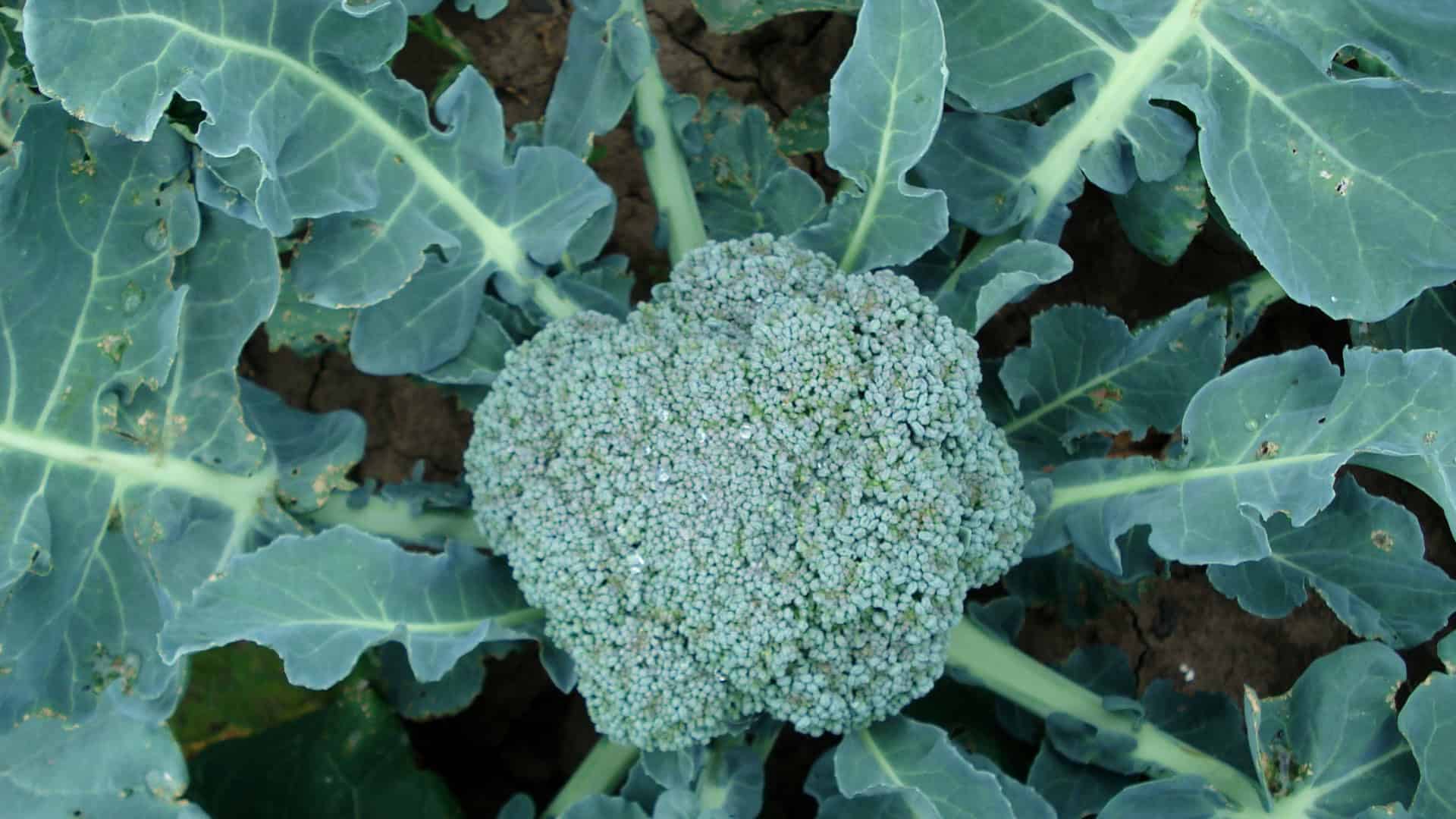
Nightime temperatures consistently in the 40s for cold hardy plants (caution here…too cold and broccoli will button instead of crown). Our current temperatures are perfect for perennials and biennials to emerge from their sleep. They are extremely hardy and are prepared for what lies ahead.

As for the warm loving plants (squash, pumpkins, tomatoes, zucchini, peppers, dahlias, zinnias, eggplants and others) many will suffer tissue damage at 45F. It is truly best to wait until night time temperatures are in the upper 50s to transplant. This may be the first week of June for South Central.

Many folks may be new to gardening or new to Alaska. I will say as my 17th Spring that anything goes…it is the wild! When in doubt look to when the trees leaf- around the second or third week in May. This is an excellent time to grow!

Join The Alaska Gardener Course: https://seedsandsoilorganics.com/product/the-alaska-gardener-complete-gardening-course-package/


Posted on Leave a comment

Alaska Gardening – Hardening Off

Alaska Gardening – Hardening Off

Alaska Gardening – Hardening Off-We have been waiting so eagerly to put our hands in the soil and grow…whether you started your plants from seed or purchased starts-plants need to be hardened off to your landscape prior to being transplanted.

What does this mean and why? For those plants grown indoors under lights or glazing (greenhouse coverings) they have enjoyed a lot of coddling…including but not limited: constant consistent temperatures, timely watering, frequent feedings, reduced UV light exposure, minimal wind, limited pest pressure and lack of exposure to the soil ecosystem.

All of these protective measures have grown strong healthy plants but can they withstand the forces of nature on your landscape? If we take our juvenile plants and place them directly into the outdoor environment without a hardening off period, there may be some rather shocking impacts.

Suddenly plants that have adapted to a protective environment are now subjected to fierce drying winds, massive fluctuations in temperature, intense UV exposure, “pest” pressure and cooler soil temperatures. A period of gradual transition to their new home will allow for adaptation to occur so that they may thrive in nature.

Excluding the warm loving plants that may suffer tissue damage below 45F (tomatoes, peppers, squash, pumpkins, corn, dahlias, sunflowers, zinnias and others) many cultivated varieties can handle cooler temperatures. What they cannot handle is direct and immediate exposure to UV rays. Sunburn and sunscald are the most common concerns that will come up during this time of year.

Taking a broad focus to include as many plants as possible:

In a protective location out of the wind and direct light- away from pets, littles and wild animals.

Start hardening off with time: setting plants out plants each day for a period of time (start with one hour and increase every day over a 10 day period)

Use directional hardening off: start in the North, move to the East, then to the West and finally the South

Increase watering and fertility: we want to give our plants the best chance at survival and the capacity to fend off “pests” and disease. Restricting food and water (although are adaptations in the wild) decreases a plants health and vitality. We are growing in managed ecologies with a goal of food production…our actions should reflect that.

Once your plants are in their new homes you may find that they are not looking so well. This is a period of adjustment as plants are taken from the current vessel that lacks all the biodiversity that living soil has to offer. Once transplanted, new relationships within the soil will begin to form with millions of microorganisms, fungi, bacteria, nematodes and protozoa. Your plant is now the new kid at school and it will take time for the root system to become part of an even bigger system. Help your plants through this phase with light feedings, warm water, staking and of course wind protection.

Once our trees fully leaf, the temperatures are consistently in the 60Fs and soil temperatures are above 50F…we will begin to see a massive influx of insects who are hungry! Will your plants be strong and healthy enough to fend off this initial pressure? They will because you have hardened them off.

 Join other The Alaska Gardener Course: https://seedsandsoilorganics.com/product/the-alaska-gardener-complete-gardening-course-package/