
Description
Tatsoi Seeds Cold-Hardy Asian Greens for Alaska Gardens
Beautiful, nutritious, and exceptionally cold-tolerant, Tatsoi is an outstanding leafy green for Alaska gardens.
Tatsoi (Brassica rapa subsp. narinosa), also known as spoon mustard or rosette bok choy, is a fast-growing Asian green prized for its tender, dark green leaves, mild mustard flavor, and impressive tolerance of cool temperatures.
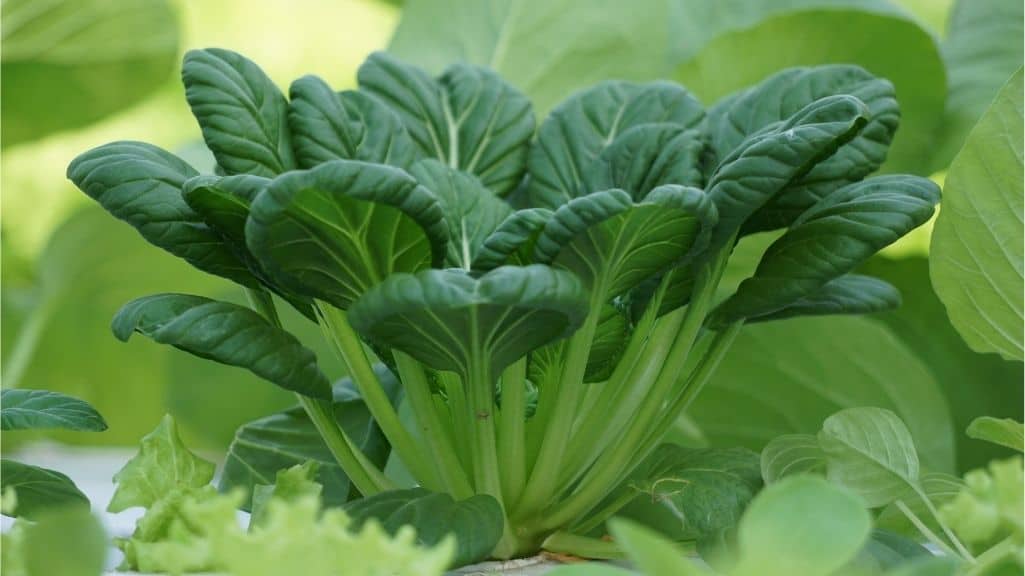
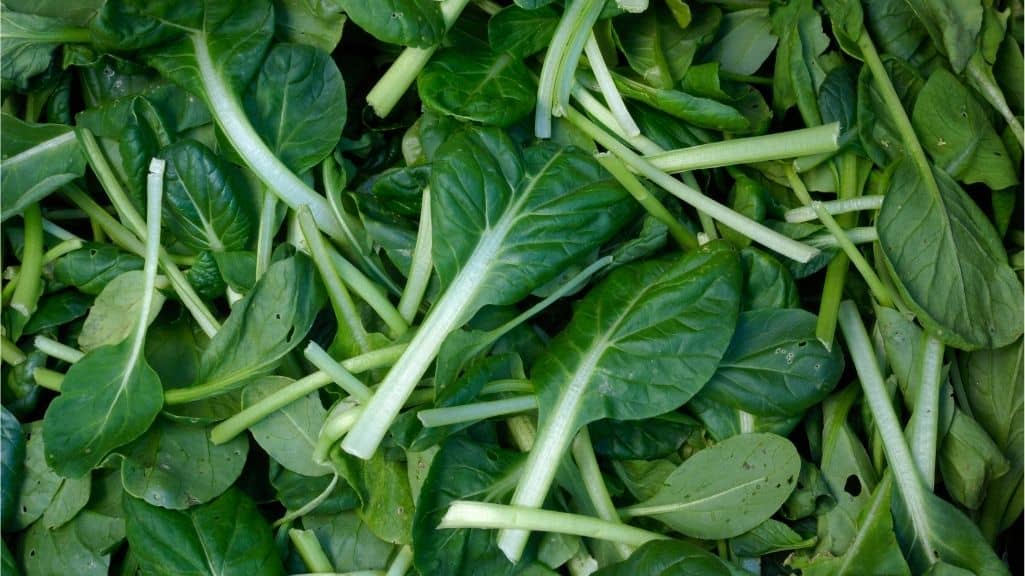
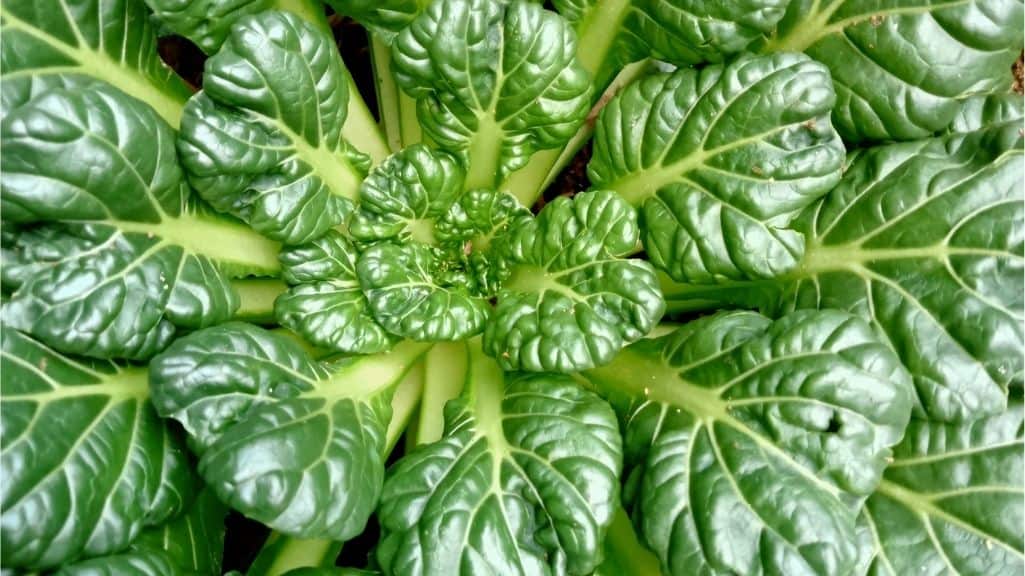
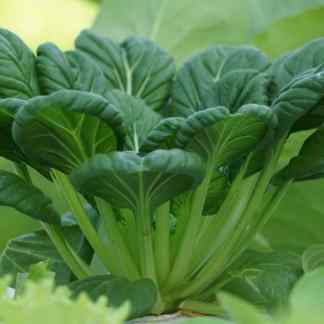
Its glossy, spoon-shaped leaves grow in beautiful, low rosettes, making Tatsoi as attractive in the garden as it is delicious in the kitchen. The leaves have a mild, slightly sweet, mustard-like flavor and can be enjoyed raw in salads or lightly cooked in stir-fries, soups, and sautés.
For northern gardeners, Tatsoi is particularly valuable because it thrives in cool weather and can tolerate light freezes once established. Its quick maturity makes it an excellent choice for Alaska’s short growing season, spring planting, and fall harvests.
Why Grow Tatsoi?
Excellent Cold Tolerance
Tatsoi is one of the more cold-hardy Asian leafy greens. Established plants can survive temperatures well below freezing, particularly when protected from wind and sudden temperature changes. Cool weather can also improve the sweetness of the leaves.
Fast-Growing and Productive
Baby Tatsoi leaves can be harvested in approximately 20–25 days, while mature plants are generally ready in 40–50 days. This quick growth makes Tatsoi an excellent option for succession planting and extending your fresh greens harvest.
Perfect for Alaska Gardens
Unlike many warm-season vegetables, Tatsoi prefers cooler growing conditions. It performs beautifully during Alaska’s cool spring and fall weather and can also be grown during summer, although prolonged daylight and warm temperatures may encourage bolting.
Versatile in the Kitchen
Tatsoi is delicious raw or cooked. Its tender leaves and crisp stems are excellent in fresh salads, stir-fries, soups, noodle dishes, and lightly sautéed vegetable blends.
Beautiful, Compact Growth
Tatsoi forms attractive rosettes of deep green leaves with pale green stems. Its compact growing habit makes it well-suited to raised beds, containers, small gardens, and intensive planting systems.
Nutritious Leafy Greens
Like other leafy brassicas, Tatsoi provides beneficial nutrients, including vitamins A, C, and K, along with minerals and antioxidant compounds.
Tatsoi Growing Information
Botanical Name: Brassica rapa subsp. narinosa
Common Names: Tatsoi, Spoon Mustard, Rosette Bok Choy
Plant Type: Biennial typically grown as an annual vegetable
Days to Maturity: 20–25 days for baby greens; approximately 40–50 days for mature plants
Planting Depth: ¼ inch
Seed Spacing: Sow 1–2 inches apart, then thin as needed
Mature Plant Spacing: 6–8 inches for full-sized rosettes
Plant Height: Approximately 4–8 inches
Plant Spread: Approximately 8–12 inches
Sun Requirements: Full sun to partial shade
Ideal Growing Temperature: Approximately 45–70°F
Soil Requirements: Fertile, well-drained soil rich in organic matter
Water Requirements: Consistent moisture for tender leaf production
Harvest: Baby leaves or mature rosettes
Growing Locations: Raised beds, traditional gardens, containers, and protected growing spaces
Growing Tatsoi in Alaska
Tatsoi is an excellent crop for Alaska gardeners because it prefers cool growing conditions and matures quickly.
Seeds can be direct-sown outdoors as soon as the soil is workable in spring. Tatsoi can also be started indoors for earlier harvests, although direct sowing is often the simplest approach.
Plant seeds approximately ¼ inch deep in fertile, well-drained soil. Keep the soil consistently moist during germination and early growth.
For baby greens, plants can be grown close together and harvested when the leaves reach a desirable size. For mature rosettes, thin seedlings to approximately 6–8 inches apart.
Tatsoi grows best in full sun during cooler weather but can benefit from afternoon shade during warmer periods.
A Note About Alaska’s Long Summer Days
Although Tatsoi is cold-hardy, Alaska’s extended summer daylight can encourage flowering, particularly when plants experience temperature fluctuations or other stress.
For the most reliable leaf production, consider growing Tatsoi during the cooler portions of the growing season, especially spring and late summer.
Succession planting every two to three weeks can help provide a steady supply of fresh greens when growing conditions are favorable.
Harvesting Tatsoi
Tatsoi can be harvested at several stages.
For baby greens, snip individual leaves once they reach approximately 3–4 inches tall. For larger harvests, cut mature rosettes near the base of the plant.
Individual outer leaves can also be harvested while leaving the center growing point intact, allowing continued leaf production under favorable conditions.
Harvest regularly for the most tender texture and mildest flavor.
Frequently Asked Questions About Tatsoi
What is Tatsoi?
Tatsoi is a cold-hardy Asian leafy green in the mustard family. It produces dark green, spoon-shaped leaves arranged in compact rosettes. Tatsoi is closely related to bok choy and is commonly used in salads, soups, and stir-fries.
Can you grow Tatsoi in Alaska?
Yes! Tatsoi is particularly well-suited to Alaska’s cool growing conditions. It grows quickly, tolerates frost, and can produce excellent spring and fall harvests. Gardeners should watch for premature flowering during periods of extended summer daylight.
How cold can Tatsoi tolerate?
Established Tatsoi plants can tolerate temperatures in the 20s°F, and under favorable conditions with protection, may survive temperatures around 15°F or lower. Cold tolerance depends on plant maturity, acclimation, wind exposure, and the duration of freezing conditions.
Does Tatsoi grow in full sun or shade?
Tatsoi grows well in full sun during cool weather and can tolerate partial shade. During warmer conditions, afternoon shade may help reduce heat stress and delay bolting.
How long does Tatsoi take to grow?
Tatsoi can produce baby greens in approximately 20–25 days and mature rosettes in about 40–50 days. Actual maturity depends on temperatures, daylight, soil fertility, and growing conditions.
What does Tatsoi taste like?
Tatsoi has a mild, slightly sweet, mustard-like flavor. Young leaves are tender enough for fresh salads, while mature leaves and stems are delicious lightly cooked. Its flavor is generally milder than many traditional mustard greens.
Is Tatsoi the same as bok choy?
No, but they are closely related. Both belong to the species Brassica rapa. Tatsoi typically forms low-growing rosettes with small, rounded leaves, while bok choy generally develops more upright leaves with thicker stalks.
Can you eat Tatsoi raw?
Yes! Tatsoi leaves and tender stems can be eaten raw. Baby leaves are especially delicious in salads and fresh green mixes. Mature leaves can also be cooked in stir-fries, soups, and other vegetable dishes.
Is Tatsoi cut-and-come-again?
Yes. Tatsoi can be harvested using a cut-and-come-again method by removing outer leaves while leaving the center growing point intact. Plants may continue producing leaves until growing conditions or flowering limit production.
Can Tatsoi grow in containers?
Absolutely. Tatsoi’s compact growth makes it an excellent choice for container gardening. Choose a container with adequate drainage and at least 6–8 inches of soil depth, and keep the soil consistently moist.
Why is my Tatsoi flowering?
Tatsoi may bolt, or begin flowering, in response to environmental stress, temperature changes, and seasonal daylight conditions. Alaska’s long summer days can contribute to early flowering. Spring and late-summer plantings may provide more favorable conditions.
Register for classes: https://seedsandsoilorganics.com/product-category/alaska-gardening-classes-growing-guides/


Reviews
There are no reviews yet.