Description
Purple of Sicily Cauliflower Seed
Purple of Sicily Cauliflower Seed As you plant these seeds, you’re not just cultivating a vegetable, but also a piece of Italian heritage. Our non-GMO, heirloom Purple of Sicily Cauliflower Seeds not only yield visually arresting purple cauliflowers, but they also come brimming with antioxidants and flavor.
Distinguishing Features:
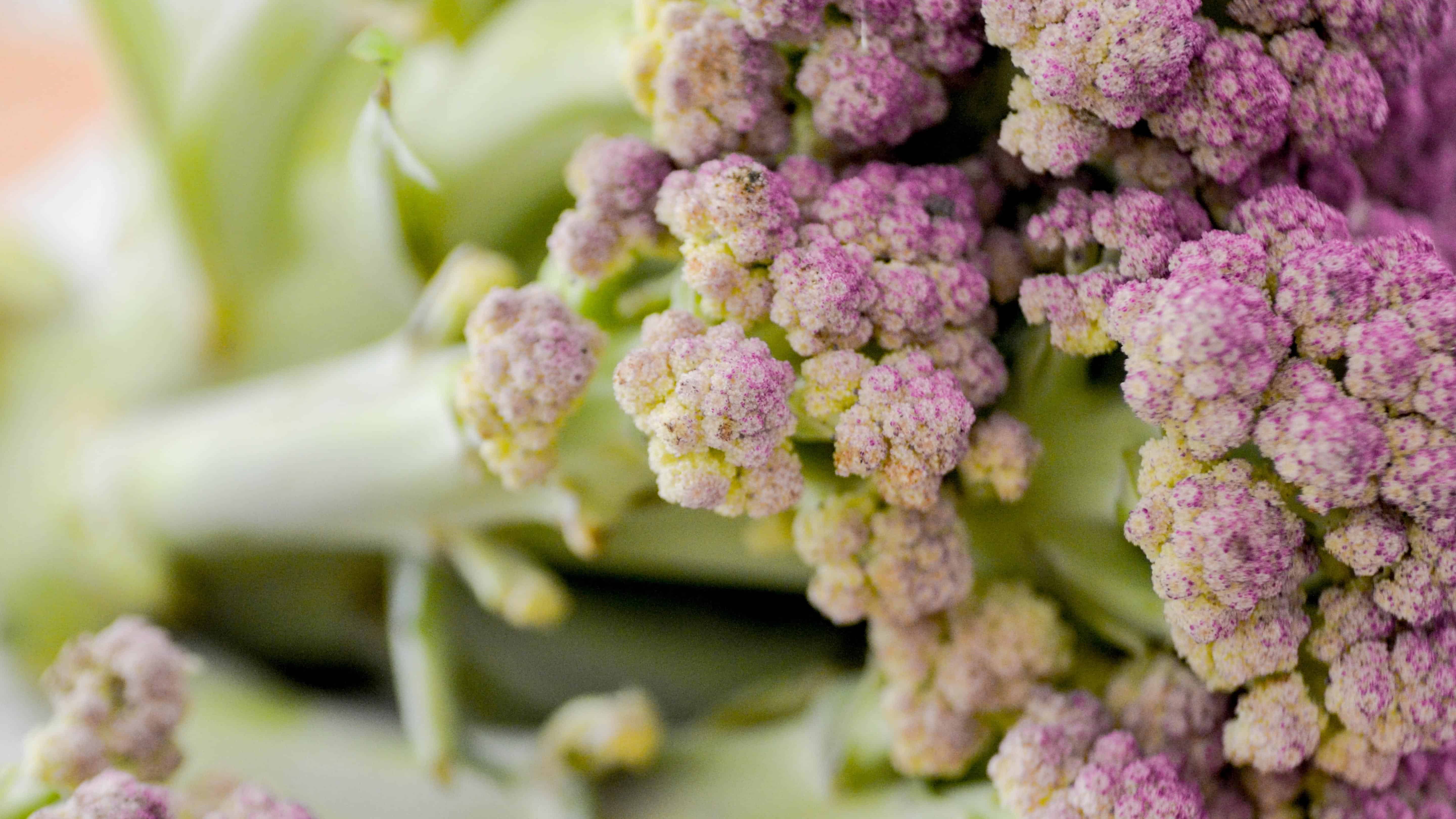
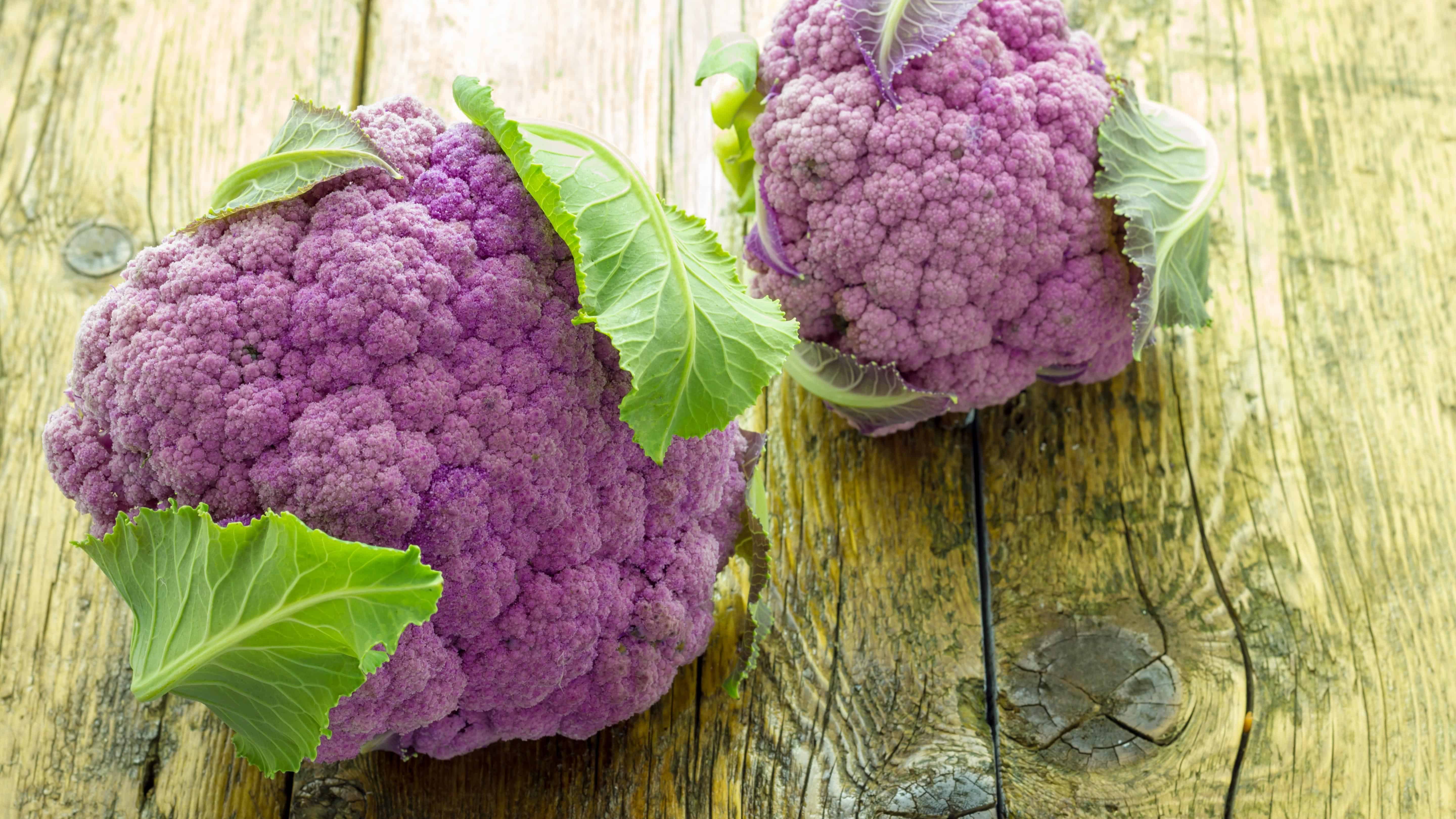
- Vivid Purple Heads: Start by nurturing these seeds and soon, you’ll witness vibrant purple cauliflowers, offering an exotic flair both to your garden and your culinary delights.
- Packed with Nutrients: Beyond their visual appeal, these cauliflowers stand out for their rich content of antioxidants, vitamins, and minerals, positioning themselves as a true superfood.
- Authentic and Pure: Moreover, you can garden with peace of mind, aware that our seeds maintain heirloom quality and are non-GMO, promising a genuine and healthy yield.
- Resilience to Cold: Interestingly, these cauliflowers have a knack for thriving in cooler climes, showcasing their hardiness.
- Adaptable in the Kitchen: Whether you’re crafting an Italian classic or experimenting with contemporary cuisine, their sweet, nutty undertone will undeniably uplift your dish.
Perfect for Culinary Explorers & Garden Innovators: For those who have an appetite for global flavors and love to grow unconventional varieties, Purple of Sicily Cauliflower Seeds are the way to go. Their mesmerizing color combined with their distinctive taste will undoubtedly shine, be it in traditional Sicilian recipes or more experimental dishes.
A Breeze to Cultivate, A Delight to Reap: Once you embed these seeds in well-draining soil and water them moderately, they’ll soon flourish, revealing magnificent purple heads, eagerly waiting to elevate your next meal.
Notice their captivating lavender hue and savor their sweet crunch. Although these heads display a charming purple, they turn green upon cooking.
With a size range of 5″-7″ for the heads, ensure you harvest the cauliflower before any separation is noticed, as this hints at imminent flowering.
Given their grandeur, they demand ample space, with a recommended minimum of 2 sq feet.
For best results, sow seeds at a depth of 1/4″. Initiate indoor planting in the tail-end of winter or onset of spring, targeting a fall harvest.
Each packet provides approximately 20-50 seeds
Learn more: https://seedsandsoilorganics.com/category/alaska-seed-company/
Growing Cauliflower
Soil Preparation
- Soil Type: Cauliflower thrives in well-draining, fertile soil with a pH between 6.5 and 7.5.
- Soil Preparation: Enrich the soil with organic matter like compost or well-rotted manure to improve its texture and fertility.
Planting
- Direct Sowing:Timing: Cauliflower is best started indoors and transplanted, but if direct sowing, do so 2-4 weeks before the last expected frost for a spring crop or in mid-summer for a fall crop.
- Spacing: Sow seeds ½ inch deep and 3-4 inches apart in rows spaced 24 inches apart. Thin seedlings to 18-24 inches apart once they have grown a few inches tall.
- Transplanting:Timing: Start seeds indoors 6-8 weeks before the last expected frost date.
- Spacing: When transplanting, space the plants 18-24 inches apart in rows 24-36 inches apart.
Watering
- Frequency: Keep the soil consistently moist, especially during dry periods. Regular watering is crucial for tender, succulent heads.
- Technique: Water at the base of the plants to avoid wetting the foliage, which can help prevent disease.
Fertilizing
- Initial Fertilization: Incorporate a balanced, slow-release fertilizer into the soil at planting time.
- Ongoing Fertilization: Side-dress with a balanced fertilizer or compost tea every 3-4 weeks during the growing season.
Care
- Weeding: Keep the area around the plants weed-free to reduce competition for nutrients and water.
- Mulching: Apply a layer of organic mulch around the plants to help retain soil moisture and suppress weeds.
Pests and Diseases
- Pests: Watch out for aphids, cabbage worms, and flea beetles. Use insecticidal soap or neem oil if infestations occur.
- Diseases: Cauliflower can be susceptible to fungal diseases like downy mildew and clubroot. Ensure good air circulation and avoid overhead watering to minimize disease risks.
Starting Cauliflower Seeds Indoors
Materials Needed
- Seed starting trays or pots
- Seed starting mix
- Cauliflower seeds
- Watering can or spray bottle
- Plastic wrap or a humidity dome
- Grow lights or a sunny windowsill
Steps
- Fill Trays: Fill seed starting trays or pots with a high-quality seed starting mix.
- Sow Seeds: Sow cauliflower seeds ¼ to ½ inch deep in the seed starting mix. If using trays, space seeds about 1 inch apart.
- Water: Moisten the soil gently with a watering can or spray bottle. Ensure the soil is damp but not waterlogged.
- Cover: Cover the trays with plastic wrap or a humidity dome to retain moisture and create a warm environment.
- Place: Place the trays in a warm location, ideally between 60-70°F (15-21°C). Cauliflower seeds usually germinate in 7-10 days.
- Light: Once the seeds germinate, remove the plastic cover and place the trays under grow lights or in a sunny windowsill. Cauliflower needs about 14-16 hours of light per day.
- Watering: Keep the soil consistently moist, but not waterlogged. Water from the bottom if possible to avoid disturbing the seedlings.
- Thinning: Once the seedlings have grown a couple of inches tall, thin them to prevent overcrowding, leaving the strongest plants.
- Transplanting: When seedlings have 4-5 true leaves and the danger of frost has passed, harden them off by gradually exposing them to outdoor conditions over a week. Transplant them into the garden, spacing them 18-24 inches apart.
By following these steps, you’ll be able to grow healthy, productive cauliflower plants that will provide a delicious and nutritious addition to your garden and your meals.