



Description
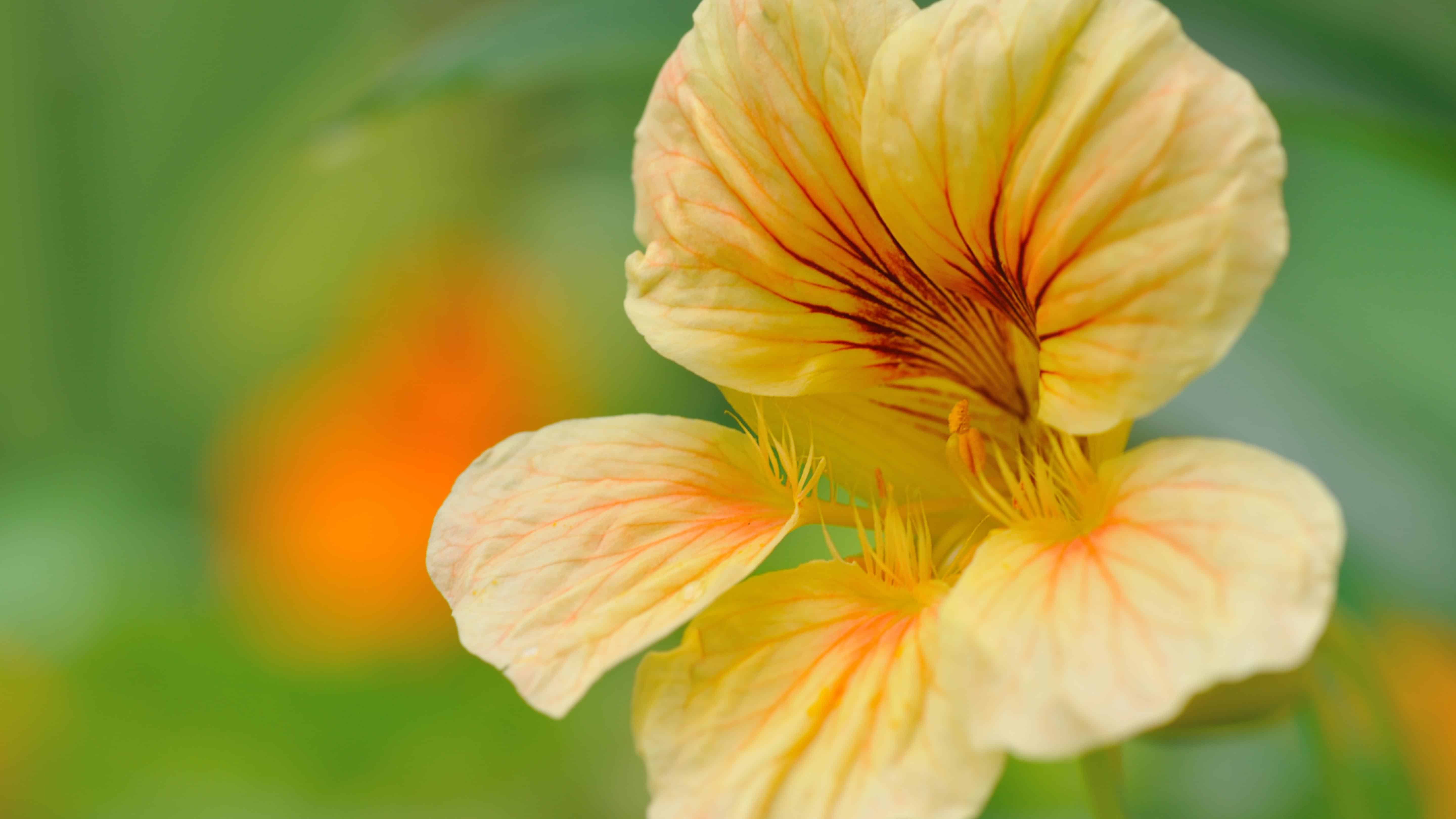
Nasturtium Seed Salmon Baby: Immerse your garden in the gentle tones of Alaska’s wild streams with our Nasturtium Seeds – Salmon Baby. These blossoms, bearing soft hues reminiscent of baby salmon, create a soothing canvas for any garden space.
Nasturtium Seed Salmon Baby The beauty of nasturtiums lies in their simplicity to cultivate. Perfect for both novice gardeners and seasoned horticulturists, our Salmon Baby seeds are eager to sprout, seeking only sunlit patches and occasional attention.
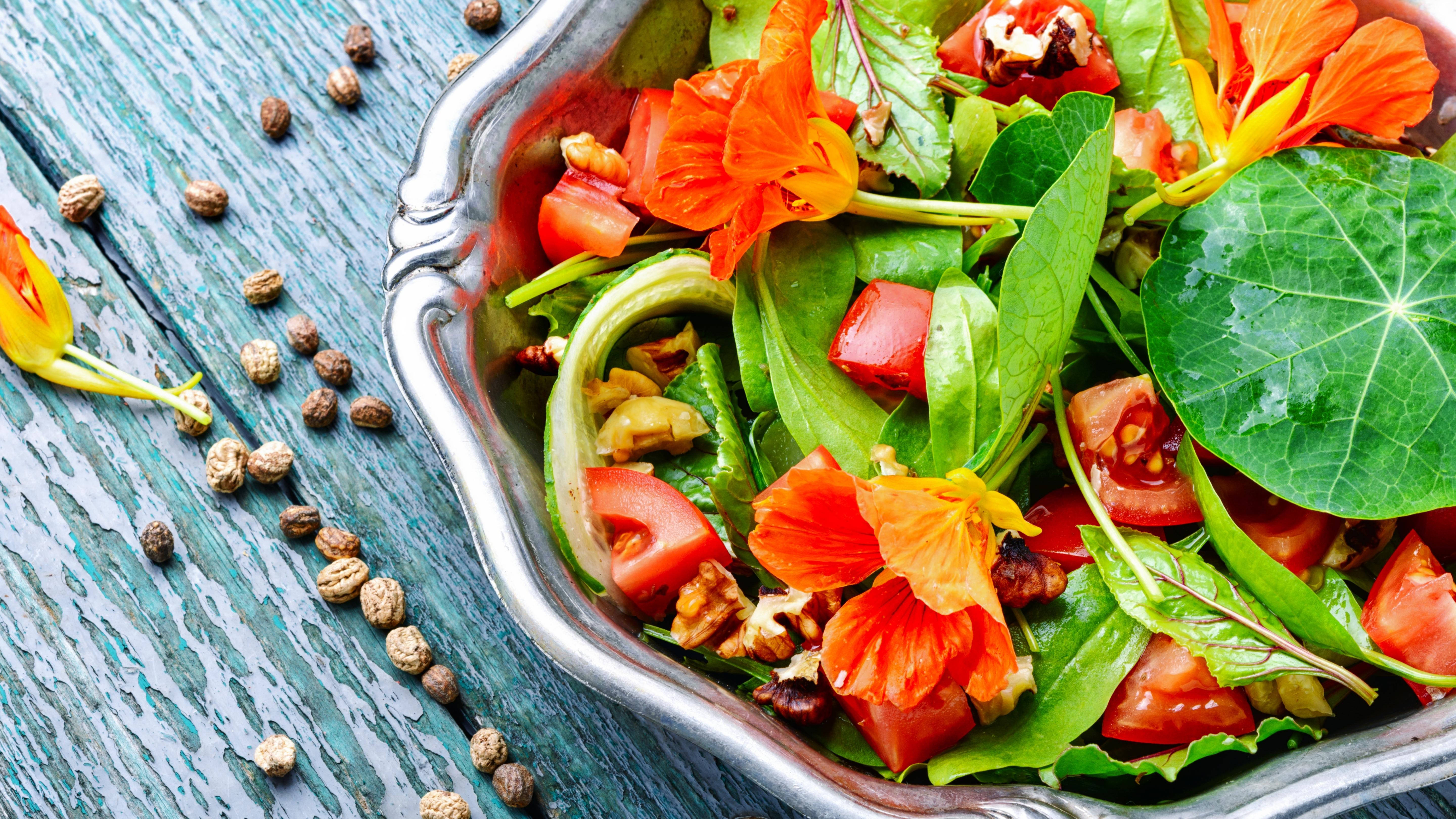
A Culinary & Visual Delight: Not just a visual treat, Nasturtium – Salmon Baby flowers and leaves lend a subtle peppery twist to your dishes. Enrich your garden and dining table with these edible wonders, capturing the wild essence of Alaska with every bite.
Nature’s Magnet: Beyond their tender appearance, these blooms serve as beacons for pollinators. Their delicate salmon petals draw bees, butterflies, and beneficial insects, infusing your garden with nature’s vibrant rhythms.
Planting Guide: For best results, sow these seeds directly in your garden post the final frost, burying them about half an inch deep. They thrive in well-drained soil and appreciate a moderate watering schedule.
Unearth more gardening inspirations rooted in Alaskan traditions at: https://seedsandsoilorganics.com/.
Soak seeds for at least 12 hours to enhance germination
The most delightful salmon, peach and pink nasturtiums
Sow seeds 1/2″ deep and space 6″ apart
A vigorous vine that is is perfect for ground cover and hanging baskets!
Roughly 10-20 seeds per packet
Growing nasturtiums, known for their vibrant flowers and edible leaves, is a delightful addition to any garden. These easy-to-grow plants not only add a splash of color but also help deter pests. Here’s a comprehensive guide on how to grow nasturtiums and start the seeds indoors:
Growing Nasturtiums
Soil Preparation
- Soil Type: Nasturtiums thrive in well-draining, moderately fertile soil with a pH between 6.1 and 7.8. They actually perform better in poorer soils, as too much fertility can result in more foliage than flowers.
- Soil Preparation: Loosen the soil to a depth of about 12 inches and incorporate a bit of organic matter if the soil is very poor.
Planting
- Direct Sowing:
- Timing: Sow nasturtium seeds directly in the garden after the last expected frost.
- Spacing: Plant seeds about ½ inch deep and 10-12 inches apart. Nasturtiums are known for their sprawling growth, so give them plenty of space.
- Transplanting:
- Timing: Start seeds indoors 4-6 weeks before the last expected frost date.
- Spacing: When transplanting, space the plants 10-12 inches apart.
Watering
- Frequency: Water nasturtiums regularly, especially during dry periods. They prefer consistently moist soil but can tolerate some drought once established.
- Technique: Water at the base of the plants to avoid wetting the foliage, which can help prevent disease.
Fertilizing
- Initial Fertilization: Nasturtiums generally do not need much fertilization. Excessive nutrients can lead to lush foliage but fewer flowers.
- Ongoing Fertilization: If necessary, apply a balanced, slow-release fertilizer sparingly.
Care
- Weeding: Keep the area around the plants weed-free to reduce competition for nutrients and water.
- Mulching: Apply a layer of organic mulch around the plants to help retain soil moisture and suppress weeds.
Pests and Diseases
- Pests: Nasturtiums can attract aphids, cabbage worms, and slugs. They can act as a trap crop, luring pests away from other plants. Use insecticidal soap or neem oil if infestations become problematic.
- Diseases: These plants are generally resistant to most diseases but can occasionally suffer from bacterial leaf spot or downy mildew. Ensure good air circulation and avoid overhead watering to minimize disease risks.
Starting Nasturtium Seeds Indoors
Materials Needed
- Seed starting trays or pots
- Seed starting mix
- Nasturtium seeds
- Watering can or spray bottle
- Plastic wrap or a humidity dome
- Grow lights or a sunny windowsill
Steps
- Fill Trays: Fill seed starting trays or pots with a high-quality seed starting mix.
- Sow Seeds: Plant nasturtium seeds ½ inch deep in the seed starting mix. If using trays, space seeds about 2-3 inches apart.
- Water: Moisten the soil gently with a watering can or spray bottle. Ensure the soil is damp but not waterlogged.
- Cover: Cover the trays with plastic wrap or a humidity dome to retain moisture and create a warm environment.
- Place: Place the trays in a warm location, ideally between 65-70°F (18-21°C). Nasturtium seeds usually germinate in 7-14 days.
- Light: Once the seeds germinate, remove the plastic cover and place the trays under grow lights or in a sunny windowsill. Nasturtiums need about 6-8 hours of light per day.
- Watering: Keep the soil consistently moist, but not waterlogged. Water from the bottom if possible to avoid disturbing the seedlings.
- Thinning: Once the seedlings have grown a couple of inches tall, thin them to prevent overcrowding, leaving the strongest plants.
- Transplanting: When seedlings have 3-4 true leaves and the danger of frost has passed, harden them off by gradually exposing them to outdoor conditions over a week. Transplant them into the garden, spacing them 10-12 inches apart.
By following these steps, you’ll be able to grow healthy, vibrant nasturtiums that will add beauty and functionality to your garden.


Reviews
There are no reviews yet.