


Description
Pickling Cucumber Seed
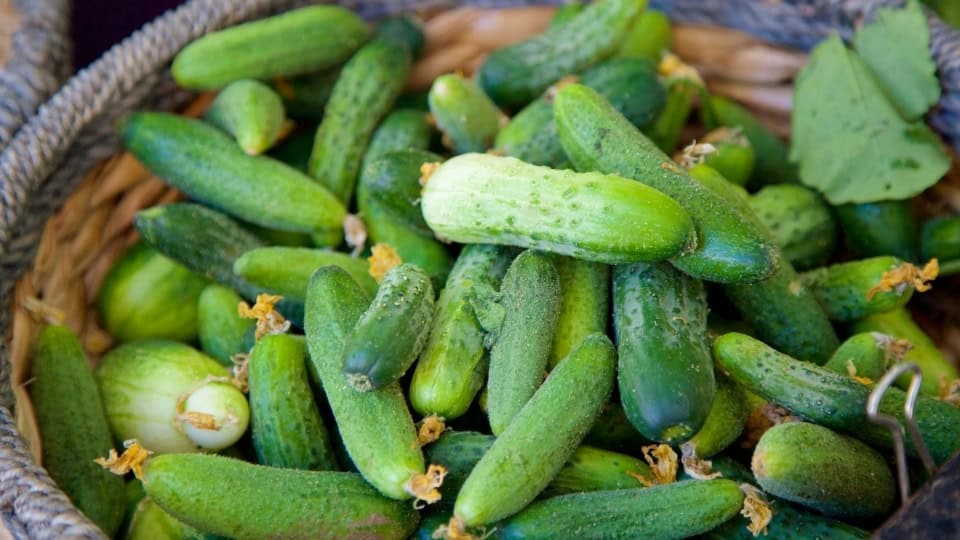
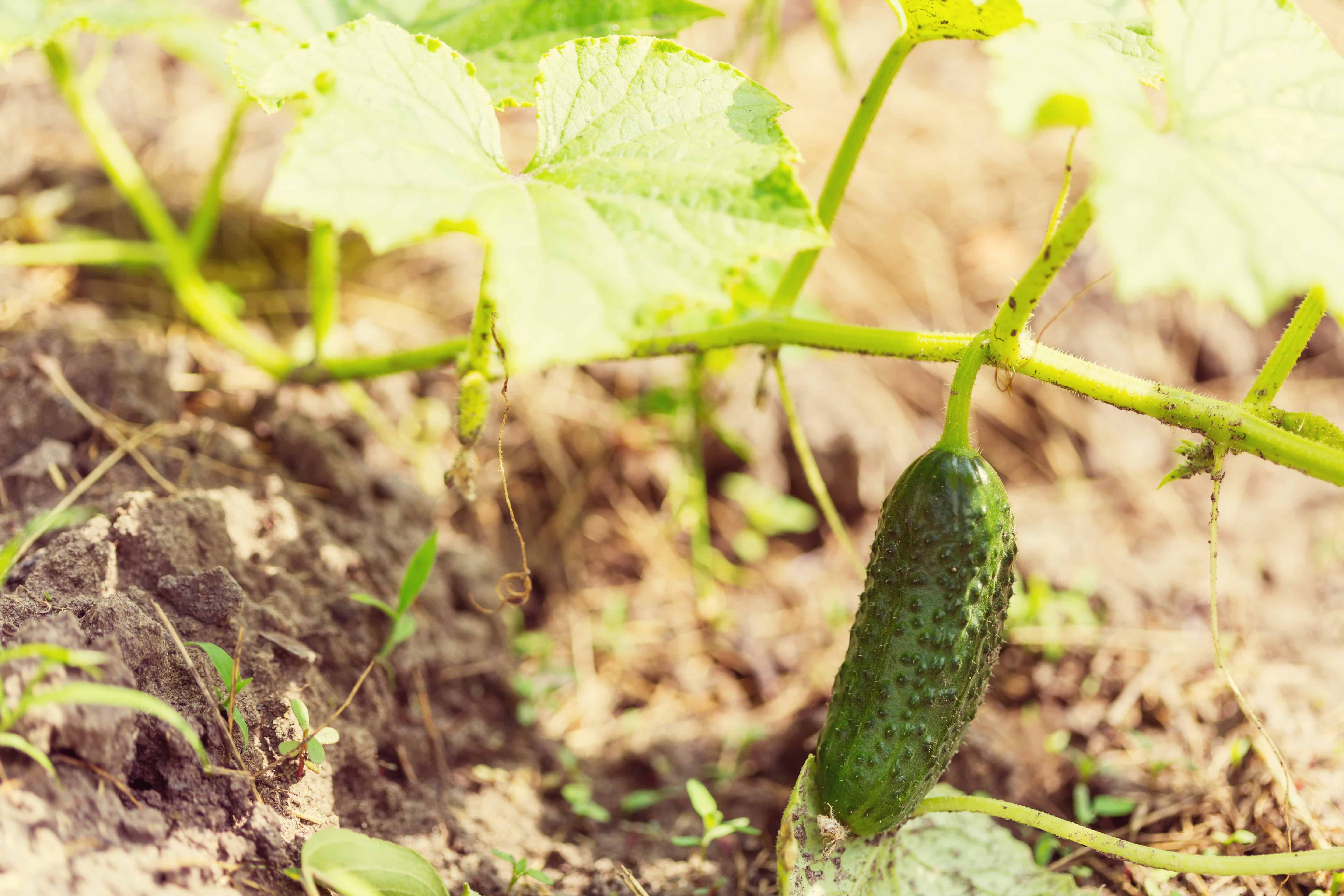
Pickling Cucumber Seed: Unveil the magic of home pickling and elevate your culinary creations with our non-GMO, high-quality Pickling Cucumber Seeds. Specially selected for their crisp texture, exquisite flavor, and ideal size, these cucumbers are the stars of pickles, salads, and gourmet dishes.
Pickling Cucumber Seed:
- Perfect for Pickling: Our cucumbers are specially bred for pickling, featuring a firm texture and just the right size for jars, making them the ultimate choice for homemade pickles.
- Non-GMO & Premium Quality: Our seeds are non-GMO and meticulously chosen for high germination rates and vigorous growth, ensuring a harvest that’s both abundant and high-quality.
- Rich Nutritional Content: Cucumbers are a good source of vitamins, minerals, and antioxidants, making them a healthy addition to your diet.
- Culinary Versatility: Beyond pickling, these cucumbers are also excellent in salads, sandwiches, and as a crunchy snack.
Perfect for Home Gardeners & Culinary Enthusiasts: Our Pickling Cucumber Seeds are ideal for home gardeners seeking the satisfaction of growing their own ingredients, and for culinary enthusiasts looking to explore new flavors.
Sow the Seeds of Crunchy Goodness: Plant these seeds in well-draining soil with full sun exposure. Space the seeds properly to allow for ample growth and water consistently. Harvest when cucumbers reach the desired size for pickling.
Garden tips and stories: https://seedsandsoilorganics.com/category/alaska-seed-company/
Great for pickling and fresh snacking!
Perfect for a hot house, greenhouse or tunnel, this variety can also be grown outdoors with extra care.
Time starting indoors so that transplants will be set out 2 weeks after the last frost date. Seeds need to be started 2 weeks prior. For Southcentral Alaska this is around May 21 for a June 15th transplant date.
Cucumbers will suffer tissue damage with cool temperatures so locate the warmest micro-climate available.
Cucumbers also do not like being transplanted- do not transplant deeply, only to the soil level.
Harvest these around 3″ for snacking and 5″ for for pickling.
Sow seed 1/2″ deep and use a heat mat to aid germination. Germination is best between 80F-85F.
Minimum 10 Seeds per packet
Starting cucumbers indoors allows for a head start on the growing season and ensures robust plants when they’re transplanted outdoors. Here’s a comprehensive guide:
**Starting Cucumbers Indoors:**
1. **Seed Selection:** Choose high-quality cucumber seeds suited to your climate and growing conditions. Opt for disease-resistant varieties for healthier plants.
2. **Seed Starting Mix:** Fill seedling trays or small pots with a well-draining seed starting mix. Cucumber seeds are sensitive to overwatering, so it’s crucial to use a mix that promotes good drainage.
3. **Planting Seeds:** Plant cucumber seeds about 1 inch deep in the soil, placing two to three seeds per pot or cell. Ensure the soil is moist but not waterlogged.
4. **Warmth and Light:** Place the seedling trays in a warm location with plenty of sunlight or under grow lights. Cucumber seeds require temperatures of around 70-90°F (21-32°C) for optimal germination.
5. **Germination and Growth:** Cucumber seeds typically germinate within 7 to 10 days under ideal conditions. Once the seedlings have emerged, provide them with ample light and maintain consistent moisture levels.
**Transplanting Cucumber Seedlings Outside:**
1. **Harden Off:** About a week before transplanting, gradually expose the cucumber seedlings to outdoor conditions to acclimate them to sunlight, wind, and temperature changes.
2. **Outdoor Site Selection:** Choose a sunny location with well-drained soil for transplanting. Cucumbers thrive in full sun and require ample space for their sprawling vines.
3. **Spacing:** When transplanting, space cucumber seedlings about 12 to 24 inches apart in rows, depending on the variety. Provide support such as trellises or cages for vining varieties.
4. **Planting Depth:** Transplant the seedlings at the same depth as they were growing in the pots, ensuring that the soil level matches the level of the transplant container.
5. **Watering:** Water the transplanted seedlings thoroughly after planting to help them establish roots. Keep the soil consistently moist but not waterlogged throughout the growing season.
**Feeding and Pruning Cucumbers:**
1. **Fertilization:** Cucumbers are heavy feeders and benefit from regular fertilization. Apply a balanced fertilizer or compost to the soil before planting and supplement with a liquid fertilizer every 2-3 weeks during the growing season.
2. **Pruning:** Cucumbers can benefit from pruning to improve airflow, reduce disease pressure, and promote better fruit production. Remove any yellowing or diseased leaves and trim back excessive foliage to allow sunlight to reach the developing fruits.
By following these steps for starting cucumbers indoors, transplanting them outdoors, and providing proper feeding and pruning, you can enjoy a bountiful harvest of crisp, delicious cucumbers throughout the growing season.


Reviews
There are no reviews yet.