


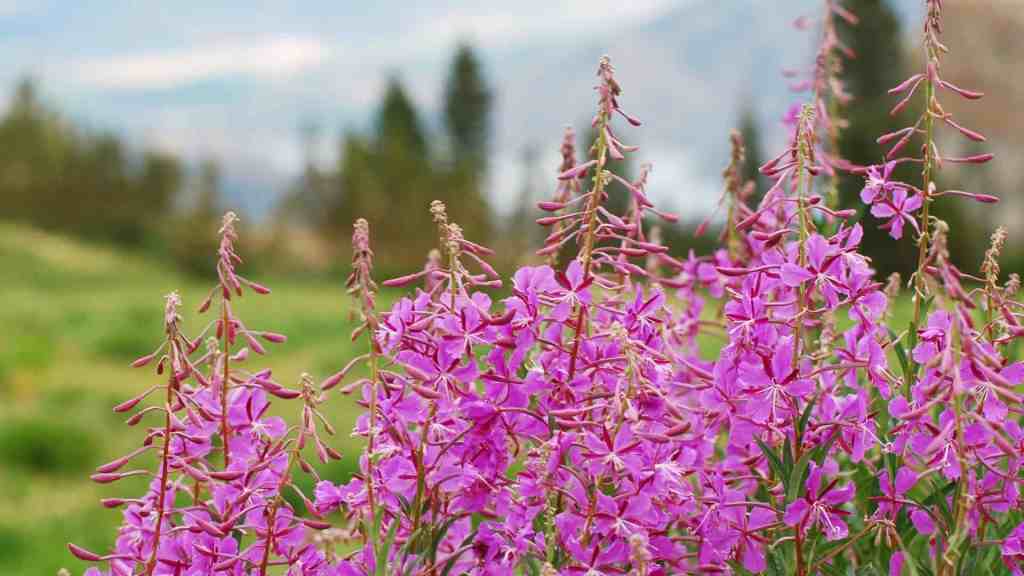
Fireweed Alaska Native Flower (Epilobium angustifolium)
Grown and harvested on our boutique style Alaskan seed farm.
Witness the splendor of Alaska’s landscapes right in your garden with Fireweed seeds. As one of the most recognized wildflowers in the state, its vibrant blooms encapsulate the spirit of the north.
With its tall stalks and magenta flowers, is not only visually striking but also holds cultural significance in Alaska. As the first to reclaim landscapes after wildfires, it stands as a symbol of regrowth and resilience.
Perfect for borders, wildflower gardens, or simply as a standalone spectacle, Fireweed is easy to grow and maintain. It’s also favored by pollinators, ensuring your garden remains a buzzing paradise.
Planting Guide: Given Alaska’s unique climate, it’s advisable to start Fireweed seeds indoors during late winter. As the warmer months approach, you can move these hardy plants outside, choosing a location that receives ample sunlight.
Attracts Pollinators
Zone 2-7 Perennial. Spreads via rhizomes and seed
Do not cover seeds, but rather press into soil and moisten
Seeds are tiny-Roughly 100 seeds per packet
Sow 5-15 seeds per square foot ensuring minimal competition with other plants. Colonies are established via rhizome overtime. Crowding may impact the health and wellness of the groupings.
Garden tips and stories: https://seedsandsoilorganics.com/2022/11/06/alaska-seeds/
Fireweed, known scientifically as Chamerion angustifolium, is more than just a pretty face in the Alaskan wilderness. Its resplendent magenta spires not only grace the landscapes but also tell a tale of ecological importance and versatility. Thriving in zones 2-7, Fireweed is a resilient perennial that adapts well to a range of environments, from roadsides to riverbanks, embodying the untamed beauty of the region.
This plant’s ecological role extends beyond its visual appeal. Fireweed is a pioneer species, often the first to colonize areas disturbed by fire or deforestation, paving the way for other species to follow. Its ability to improve soil fertility and stabilize erosion-prone areas makes it invaluable in land restoration projects.
In addition to its environmental benefits, Fireweed has a place in the local culture and cuisine. Its young shoots and leaves are edible, often used in salads and teas, while its flowers can be turned into a delicately flavored syrup or jelly. This multifaceted plant not only beautifies the landscape but also offers sustenance and healing, as its leaves have been traditionally used for their medicinal properties.
For the gardening enthusiast, Fireweed presents a unique opportunity. Its undemanding nature and minimal maintenance requirements make it an excellent choice for those looking to add a touch of Alaska’s wild beauty to their own spaces. With its seeds easily pressed into soil without covering, Fireweed promises a low-effort, high-reward addition to any garden. Its ability to spread via rhizomes and seeds means it can quickly become a prominent feature, creating a vibrant, pollinator-friendly haven that mirrors the rugged charm of Alaska’s great outdoors.
https://seedsandsoilorganics.com/2023/06/13/alaska-fireweed-seed/
Fireweed started from seed often looks different from fireweed growing in a mature colony due to several key reasons.
First, there’s a difference between seedlings and established plants. Seed-grown fireweed begins life as a small rosette of leaves, low to the ground, with delicate stems and few true leaves at first. In contrast, colony fireweed is usually part of an established patch grown from underground rhizomes.
These plants skip the seedling phase and send up mature shoots that are thicker, taller, and more robust right from the start.
Second, age and energy reserves play a role. Rhizome-grown shoots emerge with stored energy, allowing them to grow faster and taller immediately, while seedlings must develop their own root systems and build energy gradually, which makes them smaller and slower-growing at first.
Third, genetic variation comes into play. Seeds produce genetically unique plants, so their appearance can vary slightly in leaf shape, size, and color until they mature. Rhizome shoots, on the other hand, are clones and look uniform.
Lastly, environmental differences matter. Colony plants are often growing in ideal, well-established soil with microbial support, while seedlings may be started in pots or new beds where conditions aren’t as optimized.
Over time, seed-grown fireweed will begin to resemble colony plants more closely, especially by the second year when they mature and begin to spread via rhizomes themselves.
Alaska-Specific FAQs
When should I sow Fireweed seeds in Alaska?
Sow in late fall or very early spring directly onto the soil surface
Do Fireweed seeds need cold stratification?
No- I have tested Fireweed seed in every possible way imaginable and it does not require cold stratification for germination.
Where does Fireweed grow best?
Fireweed thrives in full sun with good drainage and tolerates disturbed soil, slopes, and roadside areas common in Alaska landscapes.
How tall does Fireweed grow?
Plants reach 3–5 feet tall under long Alaska daylight and bloom from July through early September.
Is Fireweed a perennial?
Yes, Fireweed is a hardy perennial that spreads by seed and rhizome, returning each year stronger than before.