


Description
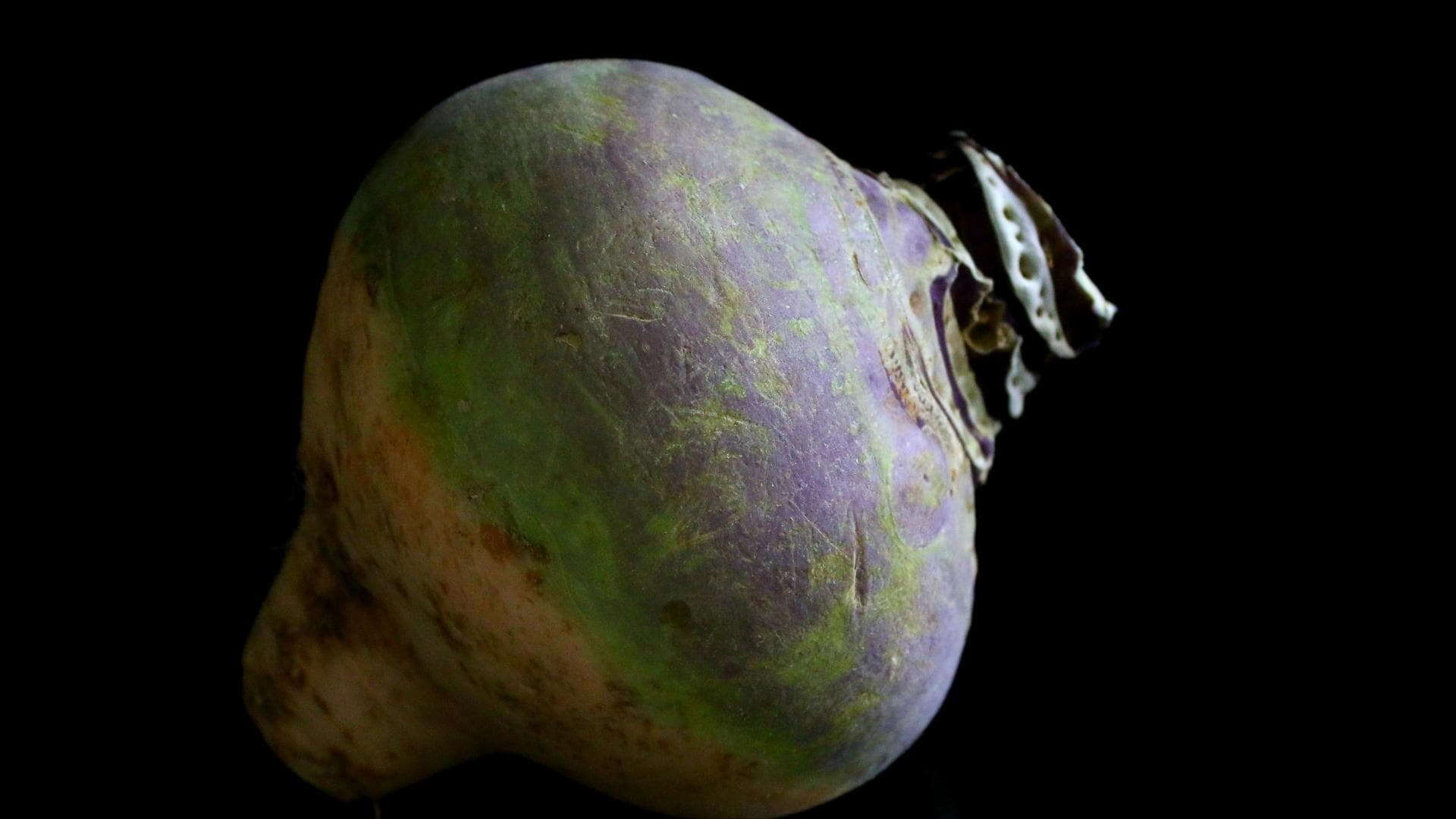
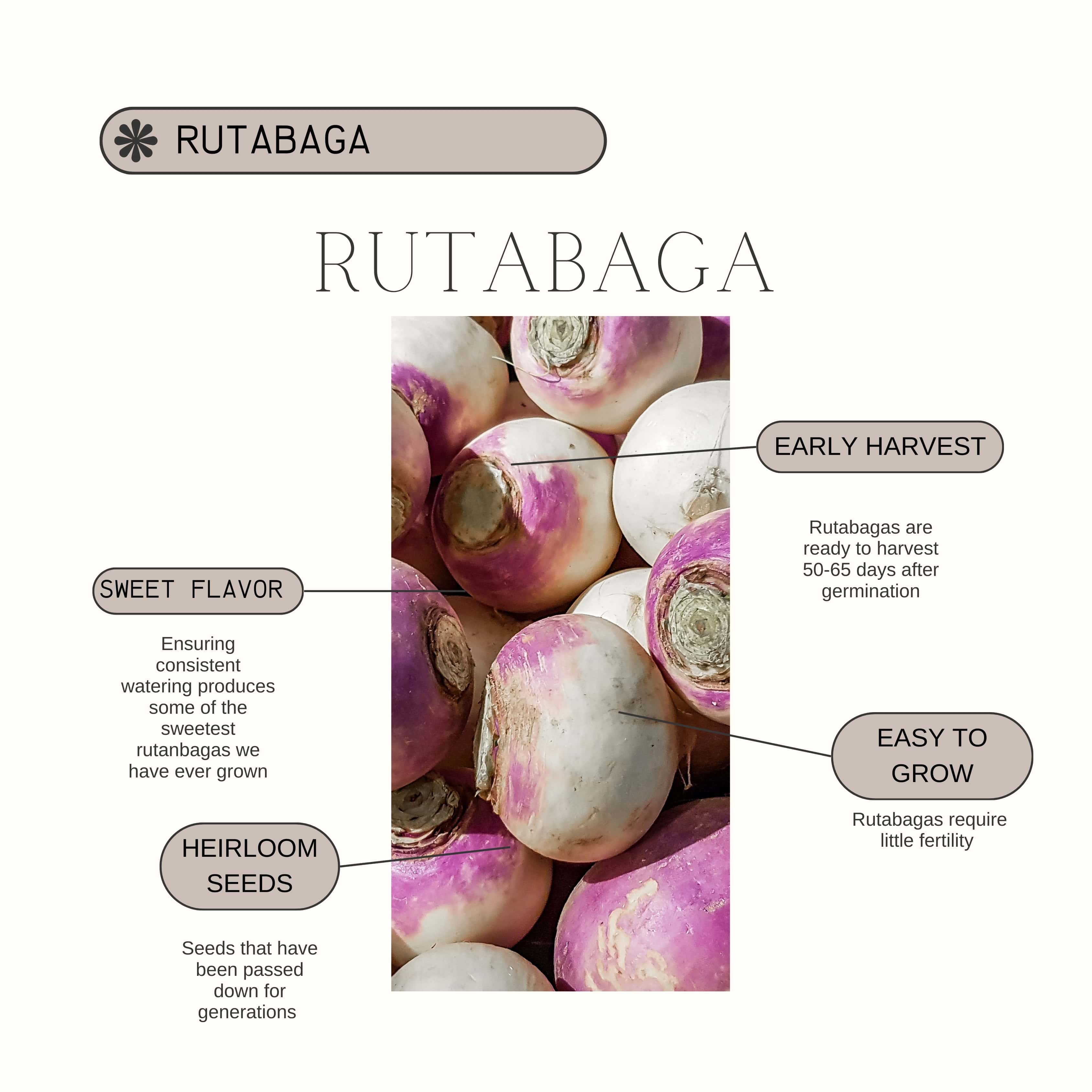
Rutabaga Purple Top Seed A Hardy Alaskan Garden Essential
Rutabaga Purple Top Seed
Journey into the hearty realm of the Purple Top Rutabaga, a vegetable that not only thrives in Alaska’s diverse climate but also enriches its every dish.
The Purple Top Rutabaga stands out for multiple reasons:
- Vivid Appeal: Characterized by its deep purple crown and pale yellow base, this rutabaga is as pleasing to the eye as it is to the palate.
- Rich in Flavor: Its flesh, mildly sweet and succulent, becomes even more flavorful after a frost, making it an Alaskan garden favorite.
- Weather Warrior: Come rain, frost, or snow, this rutabaga remains unyielding, ensuring a bountiful harvest.
- Versatile in the Kitchen: Mash it, roast it, or toss it into stews – the culinary adventures are limitless.
Planting Guide: Sow the seeds in a spot with full sun to partial shade, ensuring moderately fertile, well-draining soil. Given Alaska’s shorter growing season, early planting is key. As cooler temperatures arrive, watch the rutabagas sweeten and mature to perfection.
Learn More: https://seedsandsoilorganics.com/category/alaska-seed-company/
Growing Rutabaga
Soil Preparation
- Soil Type: Rutabaga prefers well-draining, fertile soil with a pH between 5.5 and 7.0.
- Soil Preparation: Work organic matter, such as compost or well-rotted manure, into the soil to improve its texture and fertility. Ensure the soil is loose and free of stones to encourage uniform root development.
Planting
- Timing: Sow rutabaga seeds directly in the garden about 2-3 weeks before the last expected frost in spring, or in mid-summer for a fall harvest. Rutabagas thrive in cooler weather, so the timing ensures they mature in cool temperatures.
- Spacing:
- Row Spacing: Sow seeds ½ inch deep in rows spaced 18-24 inches apart.
- Seed Spacing: Space seeds 2 inches apart. Once seedlings are about 2-3 inches tall, thin them to 6-8 inches apart to allow enough room for the roots to develop.
Watering
- Frequency: Keep the soil consistently moist, especially during dry periods. Rutabagas require regular watering to develop tender, sweet roots.
- Technique: Water deeply and evenly, ensuring the soil remains moist but not waterlogged.
Fertilizing
- Initial Fertilization: Incorporate a balanced, slow-release fertilizer into the soil at planting time.
- Ongoing Fertilization: Side-dress with a balanced fertilizer or compost tea midway through the growing season, especially if the soil is not rich in nutrients.
Care
- Weeding: Keep the area around the plants weed-free to reduce competition for nutrients and water. Hand-pull weeds to avoid disturbing the shallow roots of the rutabaga plants.
- Mulching: Apply a layer of organic mulch around the plants to help retain soil moisture and suppress weeds. Mulching also helps maintain a consistent soil temperature, which is beneficial for root development.
Pests and Diseases
- Pests: Watch out for root maggots, flea beetles, and aphids. Use row covers to protect young plants and apply insecticidal soap or neem oil if infestations occur.
- Diseases: Rutabagas can be susceptible to clubroot and downy mildew. Ensure good air circulation and avoid overhead watering to minimize disease risks. Practicing crop rotation can also help prevent soil-borne diseases.
Harvesting
- Timing: Rutabagas are ready to harvest 90-120 days after planting, depending on the variety. The roots should be about 3-5 inches in diameter.
- Method: Loosen the soil around the roots with a garden fork, then carefully pull the plants. Harvest before the first hard frost to prevent the roots from becoming woody.
Storage
- Preparation: After harvesting, trim the tops and remove excess soil. Allow the roots to cure in a cool, dry place for a few days.
- Storage Conditions: Store rutabagas in a cool, dark, and humid environment, such as a root cellar. They can also be stored in the refrigerator, wrapped in plastic to maintain humidity. Rutabagas can be stored for several months if kept under the right conditions.
By following these steps, you’ll be able to grow healthy, productive rutabaga plants that will provide a nutritious and long-lasting addition to your garden and your meals.


Reviews
There are no reviews yet.