

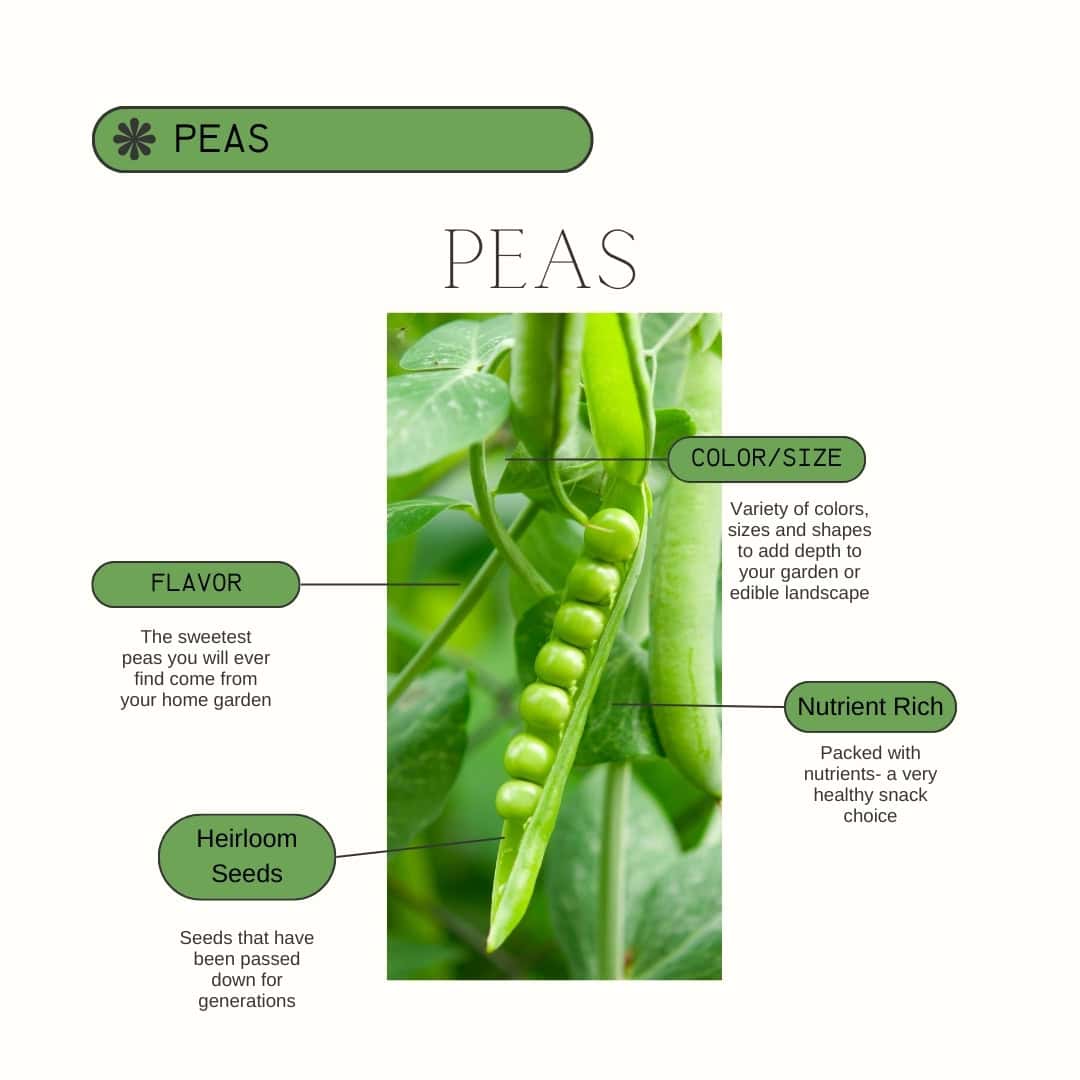
Description
Pea Seed Bundle- enjoy our entire pea seed portfolio and enjoy a savings.
We have included full packets of
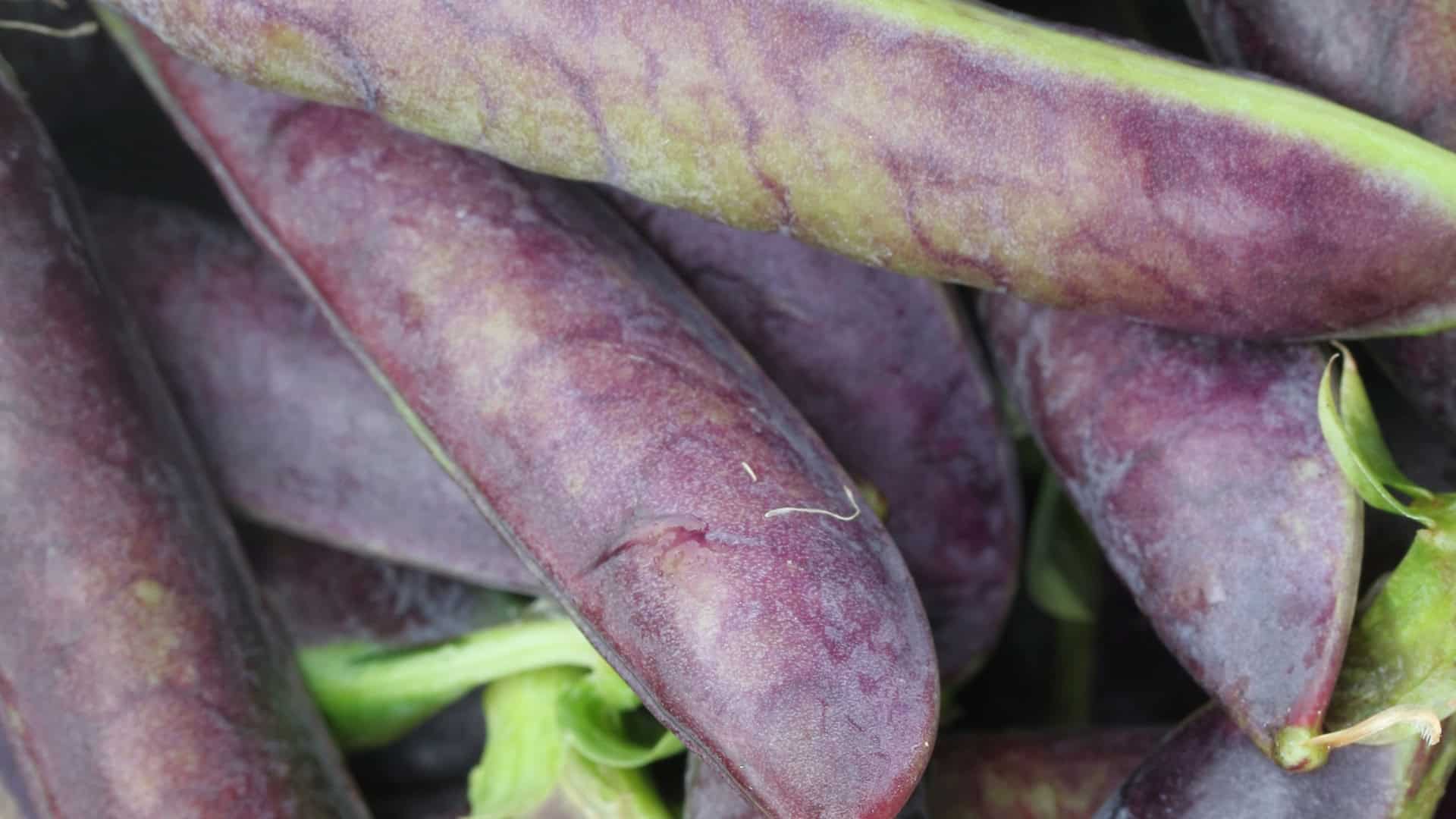
Blue Shelling Pea
Sugar Magnolia Pea
Sugar Snap Peas
Golden Snow Peas
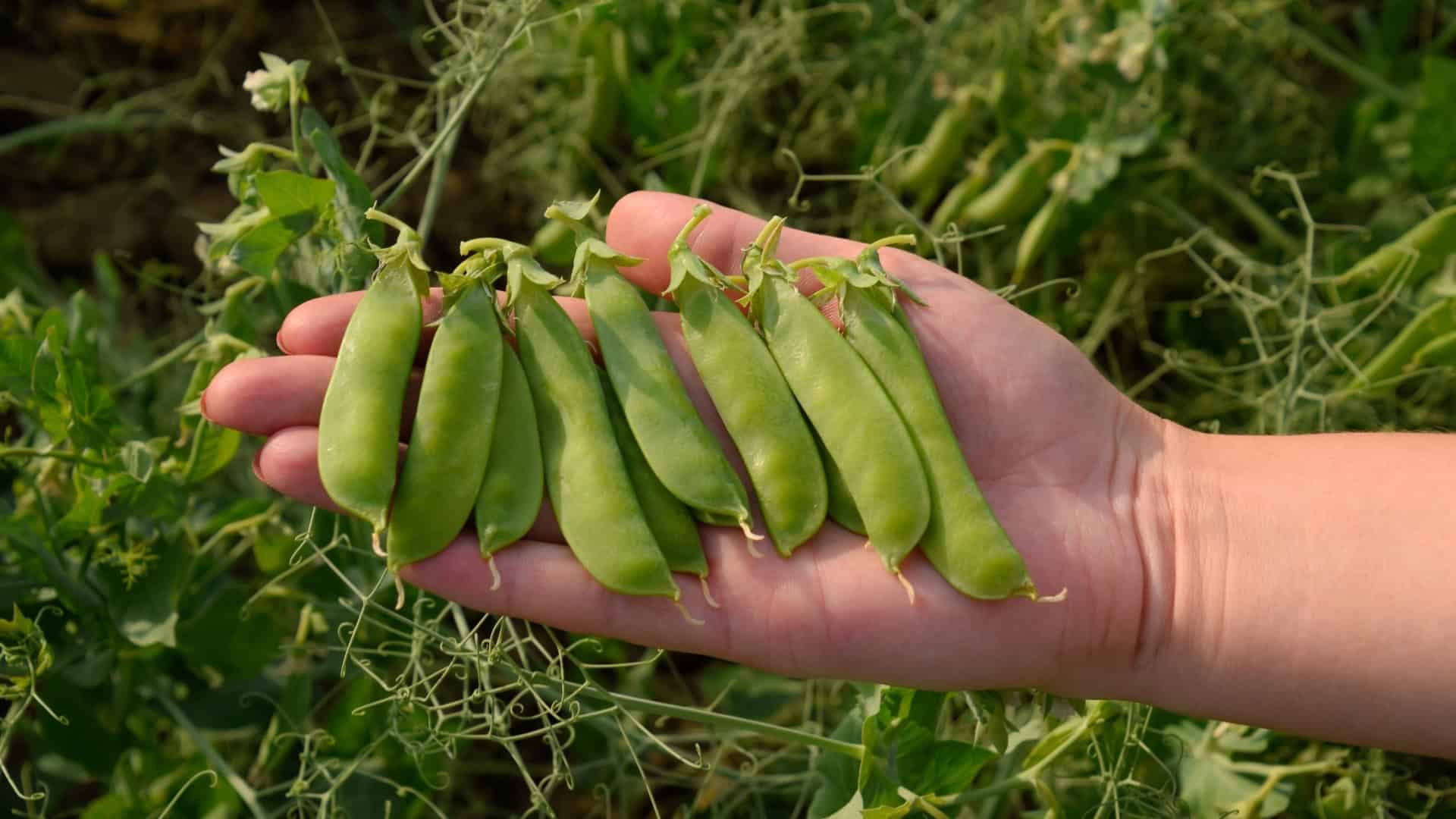
Giant Snow Peas
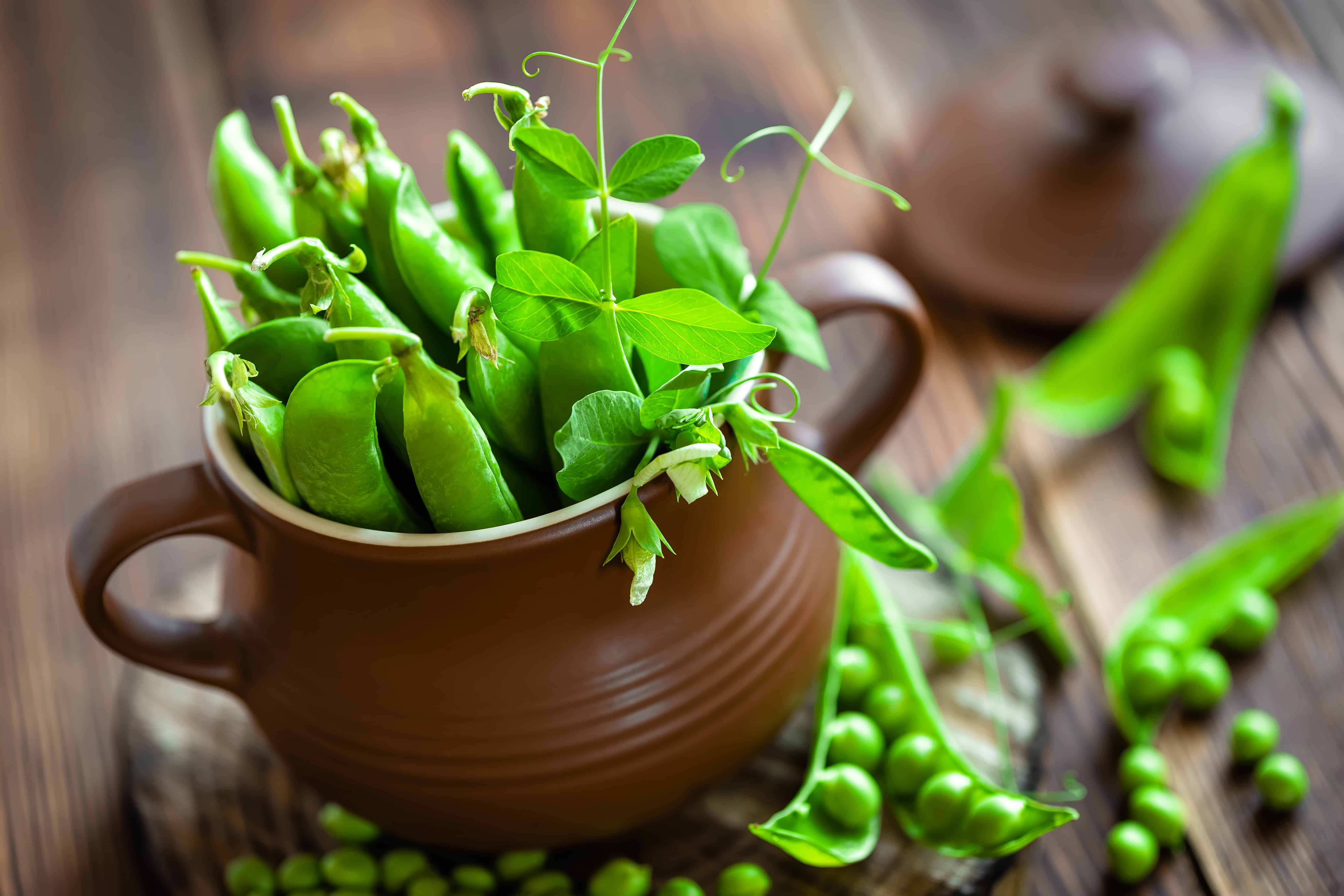
Pea Seed Bundle: Blue Shelling Peas, celebrated for their vibrant color and robust flavor, elevating the visual and taste appeal of your culinary creations. The Sugar Magnolia Peas introduce a subtle sweetness, creating a harmonious balance in your harvest. Meanwhile, the Sugar Snap Peas offer a satisfying crunch and juiciness, making them a versatile addition to your kitchen.
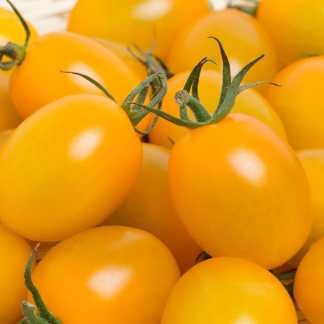
Infuse a golden touch into your garden with the Golden Snow Peas – visually striking and a flavorful addition to your plate. And don’t overlook the majesty of Giant Snow Peas, promising a bountiful yield and a sense of accomplishment for every gardener.
From planting to harvesting, our Garden Harmony Seed Bundle seamlessly combines the joy of gardening with the technical expertise needed for a successful harvest. Elevate your garden with this carefully chosen collection, and let the colors and flavors unfold in your homegrown sanctuary.
Follow our blog: https://seedsandsoilorganics.com/2022/11/06/alaska-seed-company/
Minimum 3 grams per packet. Includes 5 packets
Sowing Seeds Outdoors
- Prepare the Soil: Begin by clearing the area of weeds and debris. Loosen the soil with a fork or tiller to about 12 inches deep, and mix in a layer of mature compost to improve fertility and drainage.
- Sowing Depth and Spacing: Plant seeds at a depth about twice the diameter of the seed, unless specific instructions are provided. Space seeds according to the needs of the plant species, generally 1-3 inches apart for smaller seeds and 2-6 inches apart for larger seeds.
- Watering: After planting, water the soil gently but thoroughly to settle the seeds. Keep the soil moist, but not waterlogged, as overwatering can cause seeds to rot.
- Thinning Seedlings: Once seedlings emerge and develop a few true leaves, thin them out to avoid overcrowding, which can lead to disease and poor growth.
Planting Peas
- Timing: Plant peas as soon as the soil can be worked in the spring, 4-6 weeks before the last expected frost. Peas thrive in cool weather and can tolerate light frosts.
- Site Selection: Choose a location that receives at least 6 hours of sunlight per day. Peas prefer well-drained, fertile soil with a pH of 6.0 to 7.0.
- Soil Preparation: Enhance the soil with compost or aged manure before planting to improve fertility and texture. Peas do not require highly fertile soil but benefit from well-prepared ground.
- Sowing: Plant pea seeds 1 inch deep and 2 inches apart in rows. Space the rows 18-24 inches apart. If planting in double rows, space the rows 8 inches apart with 18-24 inches between each set of double rows.
- Watering: Water peas regularly to maintain even soil moisture, especially once the plants start flowering and developing pods.
- Trellising: Peas need support to grow effectively. Install a trellis, stakes, or a wire fence at planting time. For taller varieties, a structure about 5-6 feet high is suitable. Training peas up a support system not only saves space but also helps keep the plants healthy by improving air circulation and reducing disease exposure.
- Fertilizing: Peas are light feeders and fix nitrogen in the soil, which reduces the need for nitrogen fertilizers. Apply a low-nitrogen, balanced fertilizer, such as 5-10-10, at planting time if your soil is very poor. Avoid over-fertilizing, which can promote leaf growth at the expense of pod development.
- Harvesting: Harvest peas when the pods are plump but before they begin to harden. Regular harvesting encourages the plants to produce more pods.
By following these guidelines for sowing seeds outdoors and specifically for planting peas, you can enjoy a successful and bountiful pea harvest. Peas not only contribute to a healthy garden ecosystem by fixing nitrogen in the soil but also provide delicious, sweet pods that are a delight in early spring.
Alaska-Specific FAQs
When should I plant peas in Alaska?
Direct sow peas outdoors as soon as the soil can be worked-typically late April to mid-May in Southcentral Alaska. Peas germinate in soil as cool as 40°F.
Do peas need support?
Yes, climbing and snow pea varieties benefit from trellises or netting, while bush and sugar snap types can support themselves with minimal staking.
How long does it take to harvest peas?
Most varieties in this bundle mature in 55–70 days, making them ideal for Alaska’s short season. Harvest regularly to encourage continuous production.
Can I succession plant peas?
Yes. Sow a second crop 2–3 weeks after the first planting for an extended harvest through August.
How do peas perform in Alaska’s long daylight?
Peas thrive in Alaska’s bright, cool summer days, producing sweeter pods and stronger plants than in hotter climates.


Reviews
There are no reviews yet.