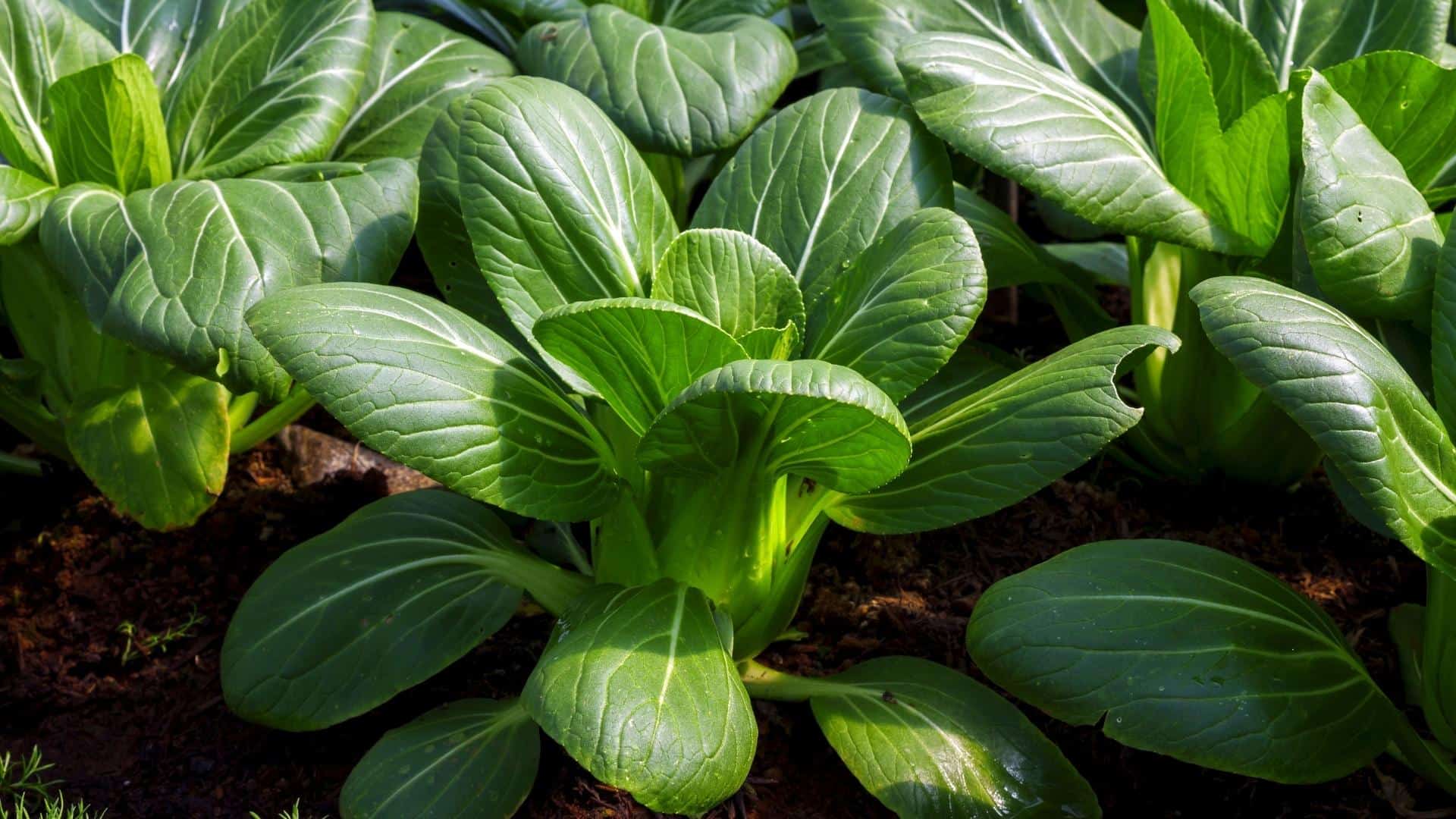
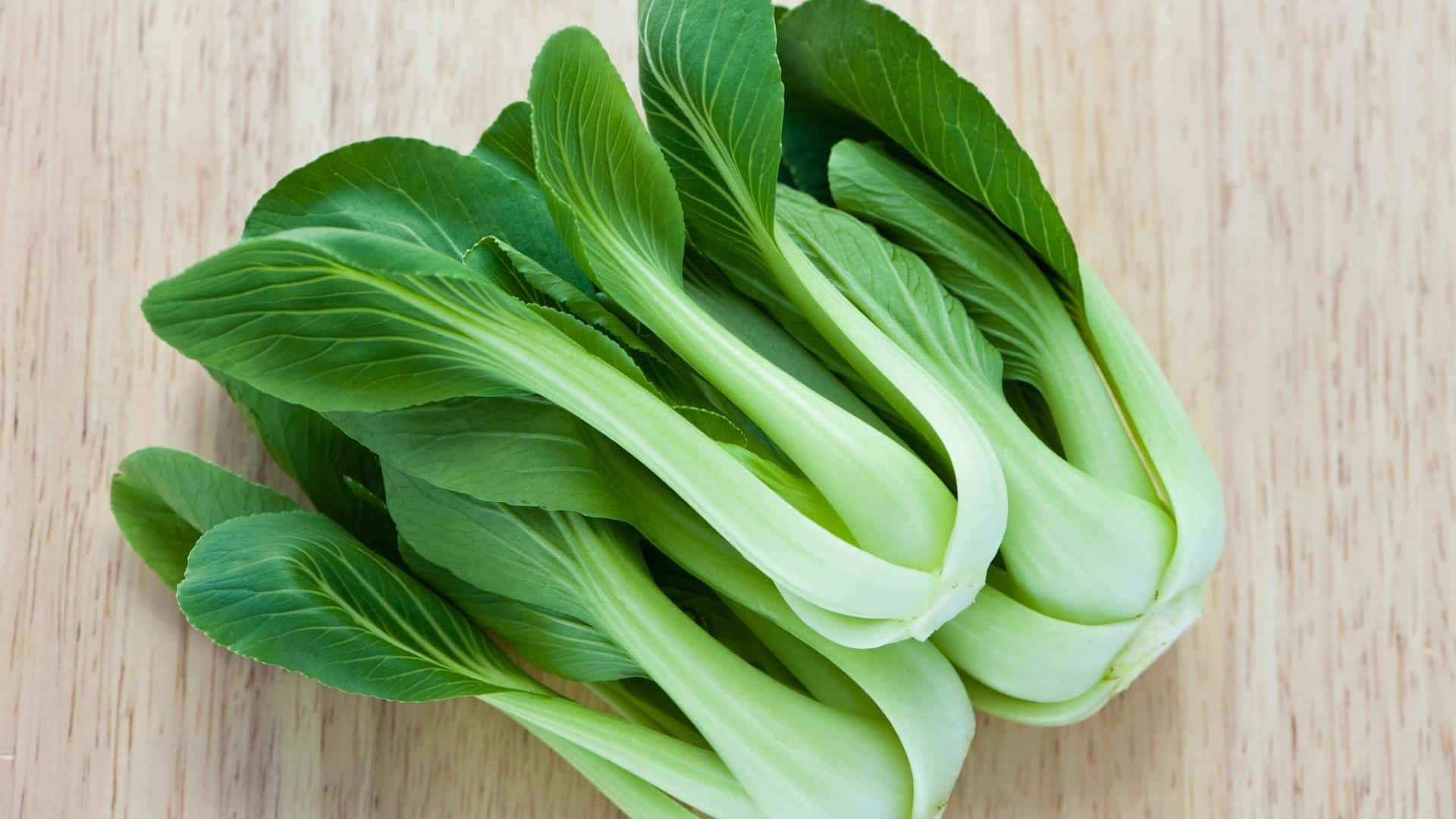
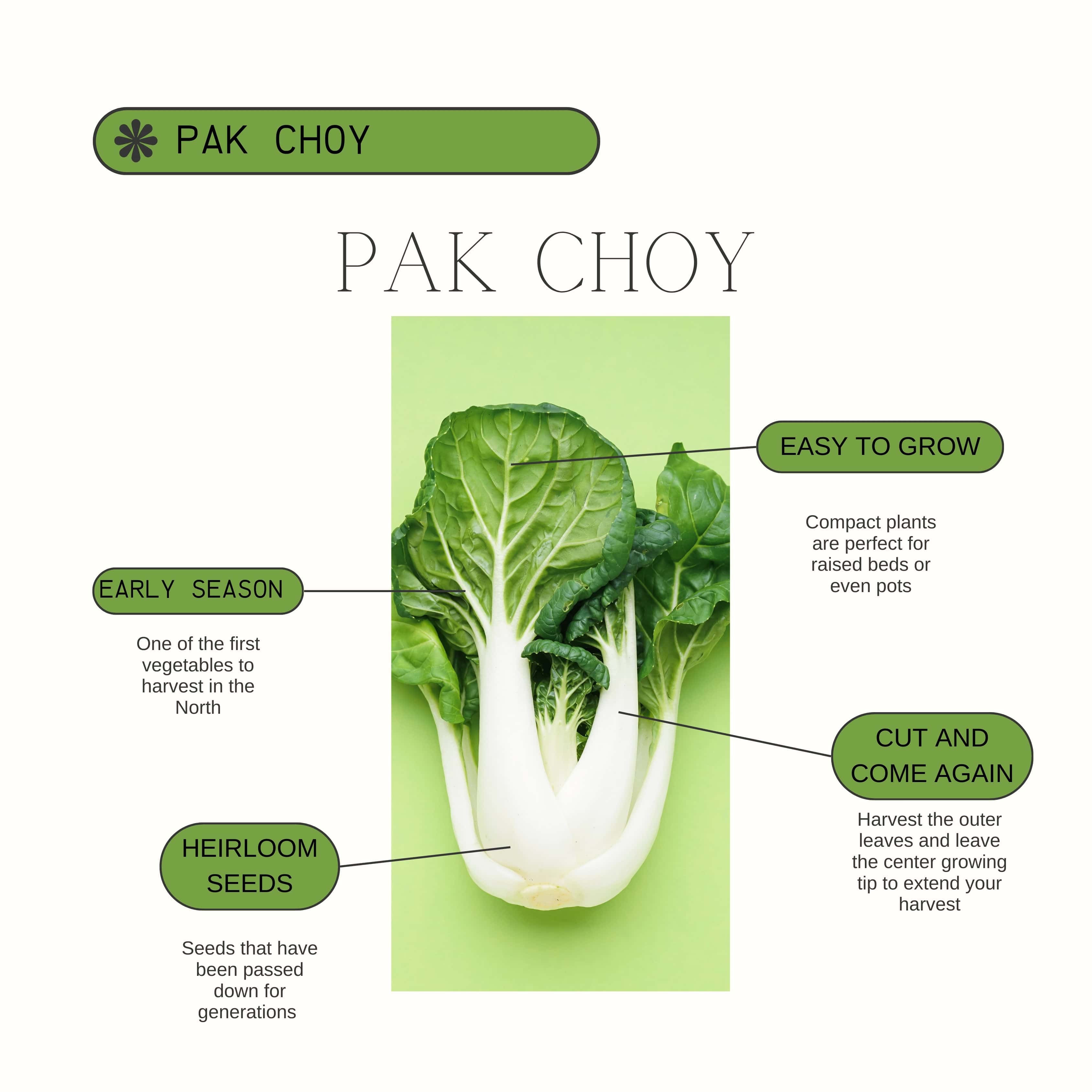
Pak Choy (Brassica rapa subsp. chinensis)

$6.20

In stock

Earn 31 points worth $0.31

Categories: ,

Description

Pak Choy (Bok Choy) Seeds

Dive into the world of Pak Choy, a leafy vegetable that’s a s nutrient-packed wonder in the home garden.

Pak Choy, also known as Bok Choy, hails from the cabbage family. With its crisp, white stalks and tender green leaves, it’s a delightful mix of textures and flavors. A favorite in stir-fries, soups, and salads, this green is both versatile in the kitchen and easy to grow in the garden.

Why Grow Pak Choy?

  • Quick Harvest: From seed to plate in just a few weeks, it’s one of the faster-growing leafy greens.
  • Nutrient-Dense: Packed with vitamins A, C, and K, as well as calcium and other minerals.
  • Culinary Flexibility: Suitable for both raw and cooked dishes, its mild flavor pairs with numerous ingredients.
  • Compact Growth: Ideal for small garden spaces and even container gardening.

Growing Pak Choy

Soil Preparation

  1. Soil Type: Pak choy prefers well-draining, fertile soil with a pH between 6.0 and 7.5.
  2. Soil Preparation: Enrich the soil with organic matter like compost or well-rotted manure to improve its structure and fertility.

Planting

  1. Direct Sowing:
    • Timing: Sow pak choy seeds directly in the garden 2-4 weeks before the last expected frost in spring or 6-8 weeks before the first expected frost in fall.
    • Spacing: Sow seeds ¼ to ½ inch deep and 1 inch apart in rows spaced 12-18 inches apart. Thin seedlings to 6-8 inches apart once they have grown a few inches tall.
  2. Transplanting:
    • Timing: Start seeds indoors 4-6 weeks before the last expected frost date.
    • Spacing: When transplanting, space the plants 6-8 inches apart in rows 12-18 inches apart.

Watering

  1. Frequency: Keep the soil consistently moist, especially during dry periods. Regular watering is crucial for tender, succulent leaves.
  2. Technique: Water at the base of the plants to avoid wetting the foliage, which can help prevent disease.

Fertilizing

  1. Initial Fertilization: Incorporate a balanced, slow-release fertilizer into the soil at planting time.
  2. Ongoing Fertilization: Side-dress with a balanced fertilizer or compost tea every 3-4 weeks during the growing season.

Care

  1. Weeding: Keep the area around the plants weed-free to reduce competition for nutrients and water.
  2. Mulching: Apply a layer of organic mulch around the plants to help retain soil moisture and suppress weeds.

Pests and Diseases

  1. Pests: Watch out for aphids, flea beetles, and cabbage worms. Use insecticidal soap or neem oil if infestations occur.
  2. Diseases: Pak choy can be susceptible to downy mildew and clubroot. Ensure good air circulation and avoid overhead watering to minimize disease risks.

Starting Pak Choy Seeds Indoors

Materials Needed

  • Seed starting trays or pots
  • Seed starting mix
  • Pak choy seeds
  • Watering can or spray bottle
  • Plastic wrap or a humidity dome
  • Grow lights or a sunny windowsill

Steps

  1. Fill Trays: Fill seed starting trays or pots with a high-quality seed starting mix.
  2. Sow Seeds: Sow pak choy seeds ¼ to ½ inch deep in the seed starting mix. If using trays, space seeds about 1 inch apart.
  3. Water: Moisten the soil gently with a watering can or spray bottle. Ensure the soil is damp but not waterlogged.
  4. Cover: Cover the trays with plastic wrap or a humidity dome to retain moisture and create a warm environment.
  5. Place: Place the trays in a warm location, ideally between 65-75°F (18-24°C). Pak choy seeds usually germinate in 5-10 days.
  6. Light: Once the seeds germinate, remove the plastic cover and place the trays under grow lights or in a sunny windowsill. Pak choy needs about 12-16 hours of light per day.
  7. Watering: Keep the soil consistently moist, but not waterlogged. Water from the bottom if possible to avoid disturbing the seedlings.
  8. Thinning: Once the seedlings have grown a couple of inches tall, thin them to prevent overcrowding, leaving the strongest plants.
  9. Transplanting: When seedlings have 3-4 true leaves and the danger of frost has passed, harden them off by gradually exposing them to outdoor conditions over a week. Transplant them into the garden, spacing them 6-8 inches apart.

By following these steps, you’ll be able to grow healthy, productive pak choy plants that will enhance your garden and your meals

For garden tips: https://seedsandsoilorganics.com/category/alaska-seed-company/

Roughly 50-100 Seeds per packet
Additional information

Weight.01 oz
Dimensions5 × 3 × 1 in

Reviews

There are no reviews yet.

Only logged in customers who have purchased this product may leave a review.