

Description
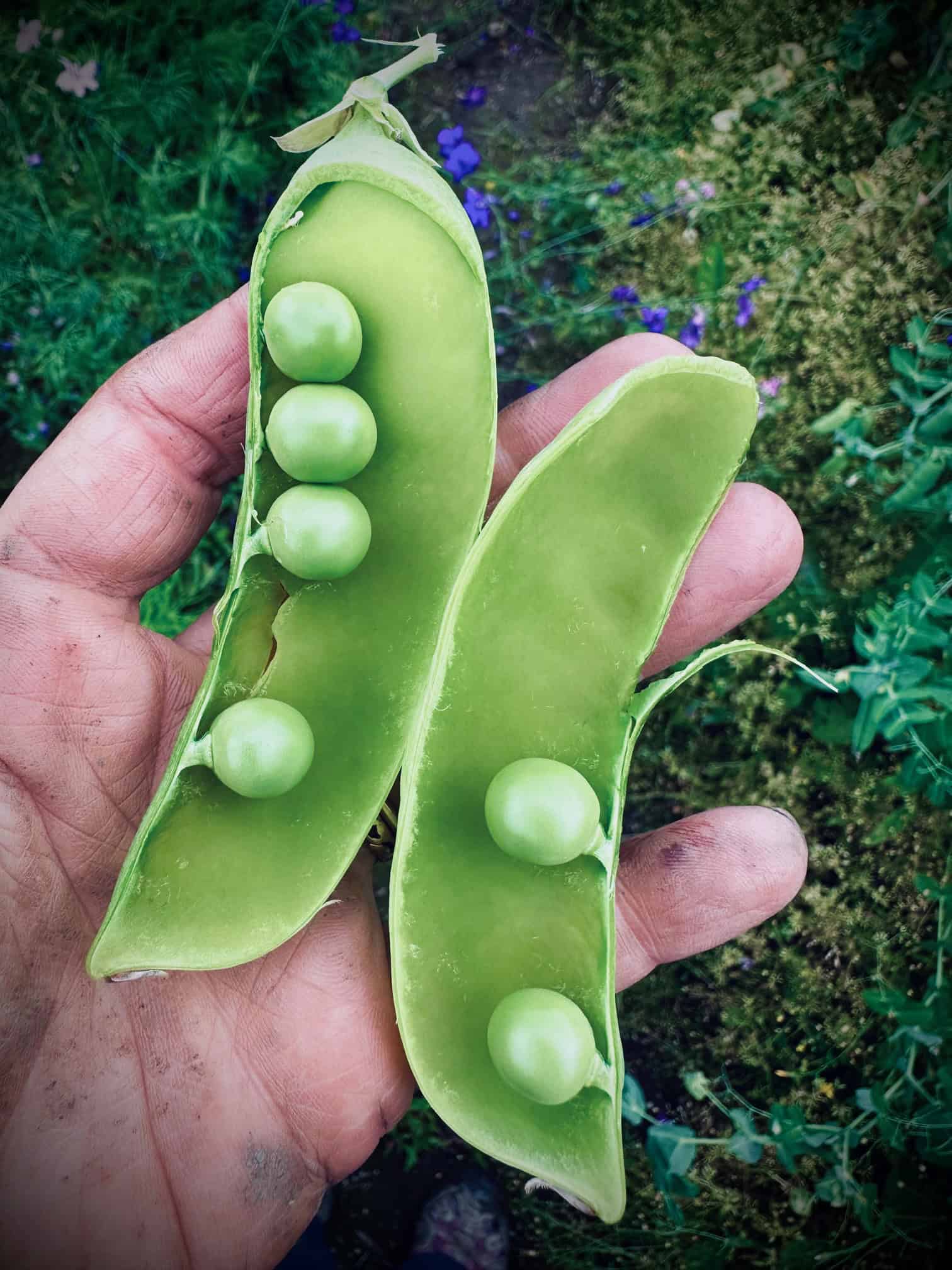
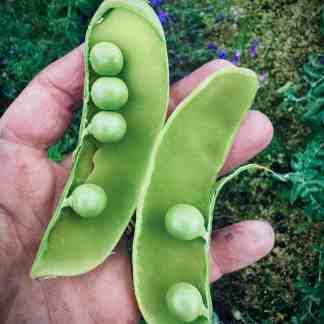
Oregon Giant Pea This is by far the sweetest pea I have ever had.
Delight in the exquisite taste and unparalleled size of this pea – a variety renowned for its succulent pods and impressive yields, straight from the heart of the Pacific Northwest.
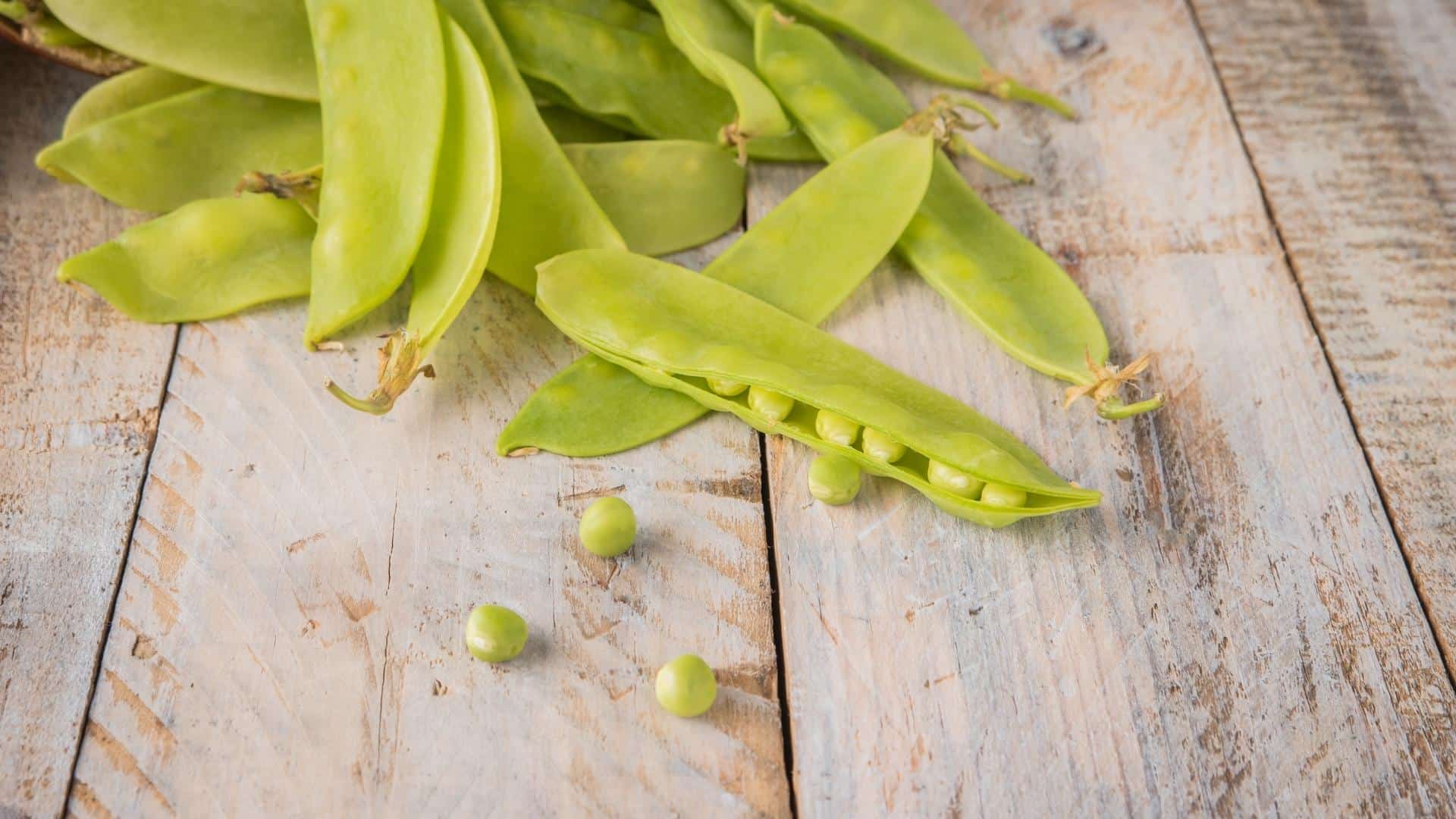
- Larger Pods: Enjoy its plump, sweet pods that can grow up to 5 inches in length.
- Prolific Growth: This variety is known for its abundant yields, ensuring a generous harvest.
- Disease Resistance: A hardy cultivar, the Oregon Giant is resistant to several common pea diseases, making it a reliable choice for both novice and seasoned gardeners.
- Gourmet Delight: Its crisp texture and sweet taste make it a favorite in salads, stir-fries, and snacks.
- Easy Growth: Adaptable to various soil types and weather conditions, it’s a low-maintenance choice for gardens.
- Short Maturity Cycle: With a quick turnaround from sowing to harvesting, enjoy fresh produce in a matter of weeks.
Planting Guide:
- Soil Setup: Choose well-draining soil, preferably enriched with compost for optimal growth.
- Seed Sowing: Plant seeds about 1 inch deep and 2 inches apart, with support structures for the peas to climb.
- Sunshine Supply: While they prefer full sun, Oregon Giant Snow Peas can also tolerate partial shade.
- Watering Ways: Keep the soil consistently moist, especially during flowering and pod formation.
- Harvesting Hints: Pick the pods when they’re young and tender for the best flavor and texture.
Save big with our bundles:
https://seedsandsoilorganics.com/product-category/shop-seeds/save-on-seed-bundles/
Open Pollinated: 50-60 Days
Sow as soon as the soil can be worked sow seed 1/2″ deep and space plants 6″ apart
Minimum 3 grams per packet (roughly 20-30 seeds)
Learn more: https://seedsandsoilorganics.com/category/alaska-seed-company/
Sowing Seeds Outdoors
- Prepare the Soil: Begin by clearing the area of weeds and debris. Loosen the soil with a fork to about 12 inches deep, and mix in a layer of mature compost to improve fertility and drainage.
- Sowing Depth and Spacing: Plant seeds at a depth about twice the diameter of the seed, unless specific instructions are provided. Space seeds according to the needs of the plant species, generally 1-3 inches apart for smaller seeds and 2-6 inches apart for larger seeds.
- Watering: After planting, water the soil gently but thoroughly to settle the seeds. Keep the soil moist, but not waterlogged, as overwatering can cause seeds to rot.
- Thinning Seedlings: Once seedlings emerge and develop a few true leaves, thin them out to avoid overcrowding, which can lead to disease and poor growth.
Planting Peas
- Timing: Plant peas as soon as the soil can be worked in the spring, 4-6 weeks before the last expected frost. Peas thrive in cool weather and can tolerate light frosts.
- Site Selection: Choose a location that receives at least 6 hours of sunlight per day. Peas prefer well-drained, fertile soil with a pH of 6.0 to 7.0.
- Soil Preparation: Enhance the soil with compost or aged manure before planting to improve fertility and texture. Peas do not require highly fertile soil but benefit from well-prepared ground.
- Sowing: Plant pea seeds 1 inch deep and 2 inches apart in rows. Space the rows 18-24 inches apart. If planting in double rows, space the rows 8 inches apart with 18-24 inches between each set of double rows.
- Watering: Water peas regularly to maintain even soil moisture, especially once the plants start flowering and developing pods.
- Trellising: Peas need support to grow effectively. Install a trellis, stakes, or a wire fence at planting time. For taller varieties, a structure about 5-6 feet high is suitable. Training peas up a support system not only saves space but also helps keep the plants healthy by improving air circulation and reducing disease exposure.
- Fertilizing: Peas are light feeders and fix nitrogen in the soil, which reduces the need for nitrogen fertilizers. Apply a low-nitrogen, balanced fertilizer, such as 5-10-10, at planting time if your soil is very poor. Avoid over-fertilizing, which can promote leaf growth at the expense of pod development.
- Harvesting: Harvest peas when the pods are plump but before they begin to harden. Regular harvesting encourages the plants to produce more pods.
By following these guidelines for sowing seeds outdoors and specifically for planting peas, you can enjoy a successful and bountiful pea harvest. Peas not only contribute to a healthy garden ecosystem by fixing nitrogen in the soil but also provide delicious, sweet pods that are a delight in early spring.


Reviews
There are no reviews yet.