


Description
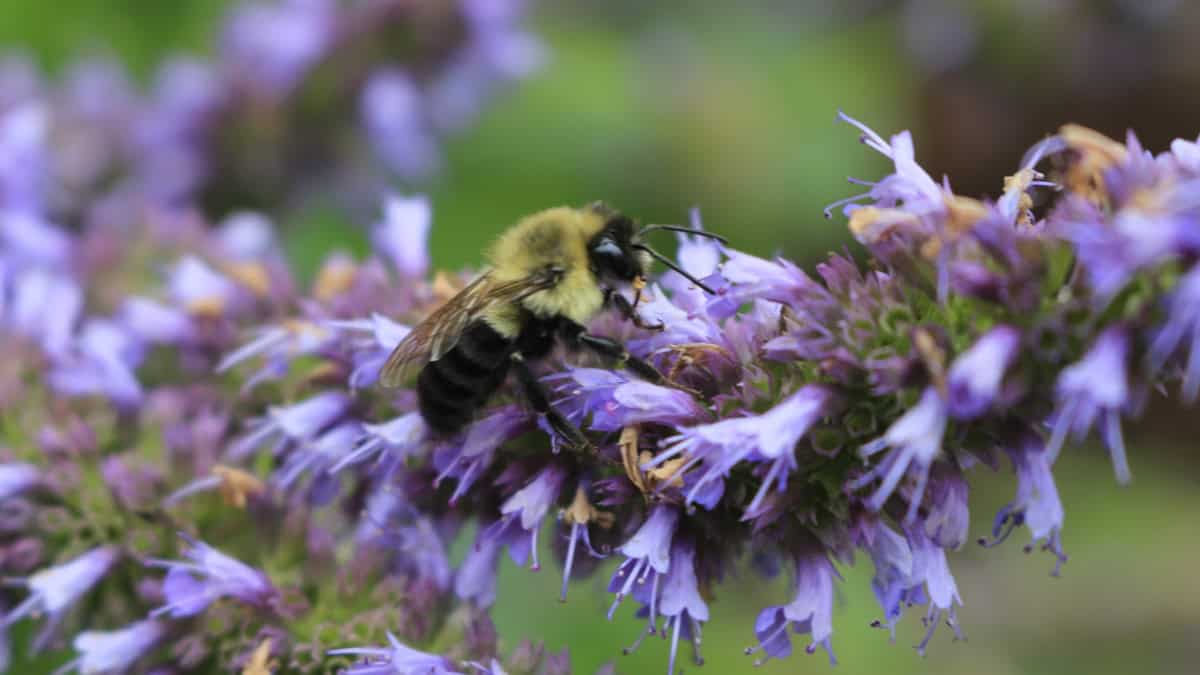
Hyssop (Hyssopus officinalis) is a versatile, evergreen perennial prized for its aromatic foliage, striking violet-blue flower spikes, and long history as a culinary, medicinal, and ornamental plant. Native to southern Europe and parts of Asia, Hyssopus officinalis is a member of the mint family (Lamiaceae), growing 18–24 inches tall with a bushy habit. The narrow, dark green leaves release a warm, slightly minty scent when brushed, while the nectar-rich blooms attract bees, butterflies, and other pollinators throughout summer.
Hyssop (Hyssopus officinalis) thrives in full sun and well-drained soil, tolerating drought once established. It prefers average to sandy loam with a neutral to slightly alkaline pH. Avoid overly rich or wet soil, which can lead to leggy growth or root rot. Hardy in USDA Zones 4–9, hyssop is an excellent choice for herb gardens, borders, pollinator plantings, and xeriscaping.
Starting Indoors from Seed
For best results in cooler climates, start hyssop seeds indoors 6–8 weeks before your last expected frost. Sow seeds on the surface of a well-draining seed starting mix and lightly press them in — they need light to germinate. Keep soil moist but not soggy, and maintain a temperature of 65–70°F. Germination typically occurs in 14–21 days. Once seedlings develop their first set of true leaves, thin or transplant into individual pots. Harden off young plants before moving them outdoors after danger of frost has passed. Space plants 12–18 inches apart.
Direct Sowing Outdoors
In warmer climates, hyssop can be direct-sown after the soil has warmed and frost danger has passed. Prepare a sunny site with loose, well-drained soil, sow seeds shallowly, and water gently until established.
Care & Maintenance
Water regularly during the first growing season to establish a strong root system. Thereafter, hyssop requires minimal watering except during extended drought. Trim plants back by one-third after flowering to encourage bushier growth and a second flush of blooms. Divide clumps every 3–4 years in early spring to maintain vigor.
Harvesting
Harvest leaves and flowers just before peak bloom for the strongest flavor and fragrance. Cut stems in the morning after the dew has dried, then bundle and hang them upside down in a warm, airy place out of direct sunlight. Once dry, strip the leaves and flowers from the stems and store in airtight containers away from heat and light. Fresh hyssop can also be used immediately in teas, syrups, herbal vinegars, or as a flavorful addition to meat and vegetable dishes.
Hyssop is as beautiful as it is useful a hardy, pollinator-friendly herb with year-round appeal.
For garden tips: https://seedsandsoilorganics.com/category/alaska-gardening/
Minimum 10 seeds per packet



Reviews
There are no reviews yet.