




Description
Food Forest Seed Bundle, designed to lay the foundation for a productive, perennial-based Food Forest. This carefully curated collection includes versatile, hardy plants that thrive in Alaska’s unique climate, providing an array of flavors, textures, and valuable nutrients year after year.
Alaska Food Forest Seed Bundle Imagine a food forest where every layer of plant life works in harmony, from ground cover to edible perennials. Our bundle brings together resilient, nutrient-dense plants that play a crucial role in establishing a self-sustaining ecosystem. These selections are ideal for creating a low-maintenance food forest where the plants grow together, sharing resources and benefiting from each other’s presence.
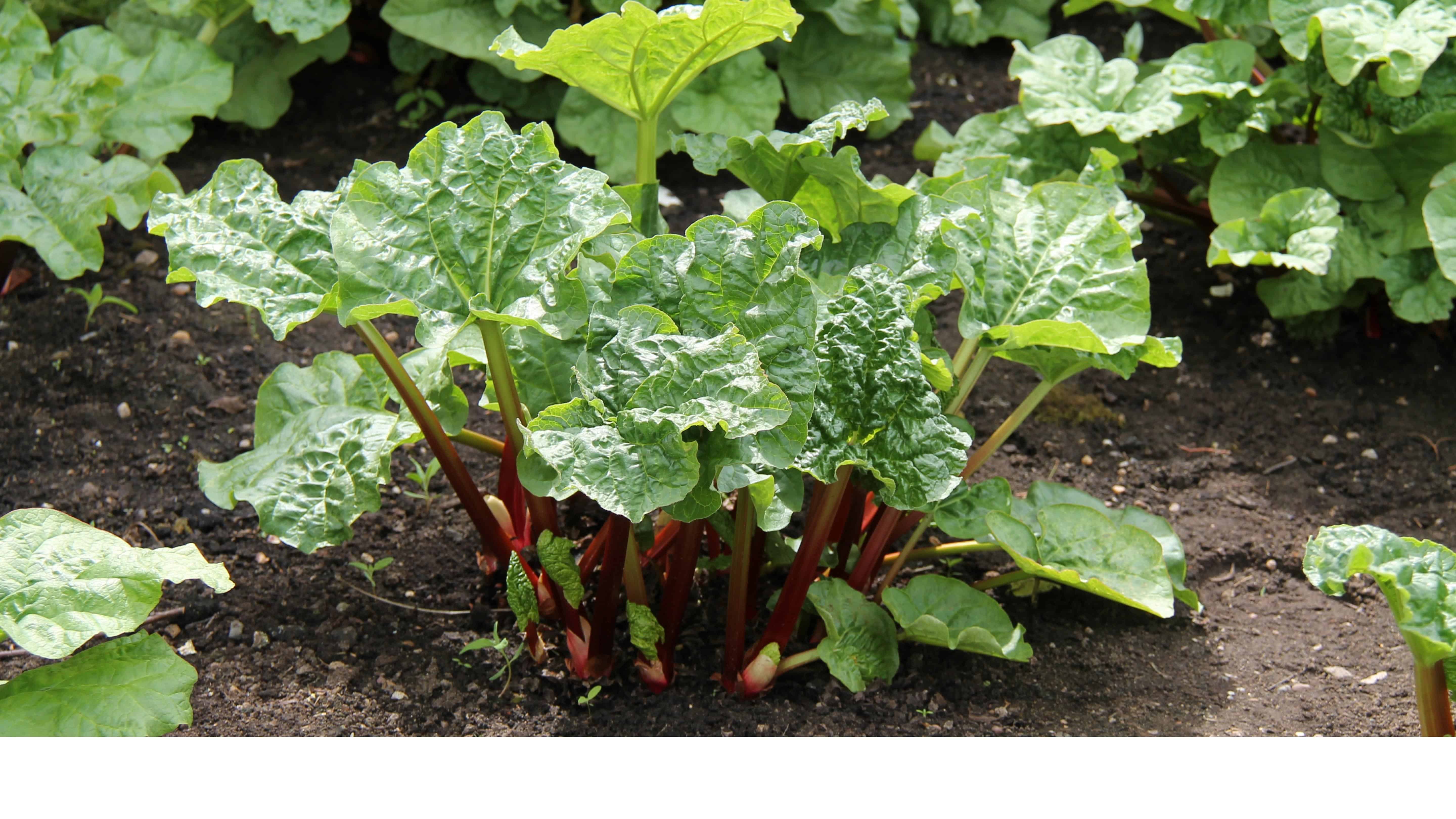
Asparagus is a long-lived perennial that’s easy to grow once established, providing an early harvest of tender, nutrient-rich spears each spring. Rhubarb is both ornamental and productive, offering tart, robust stalks perfect for pies, jams, and sauces. Both plants return each year, thriving in Alaska’s climate while requiring minimal care.
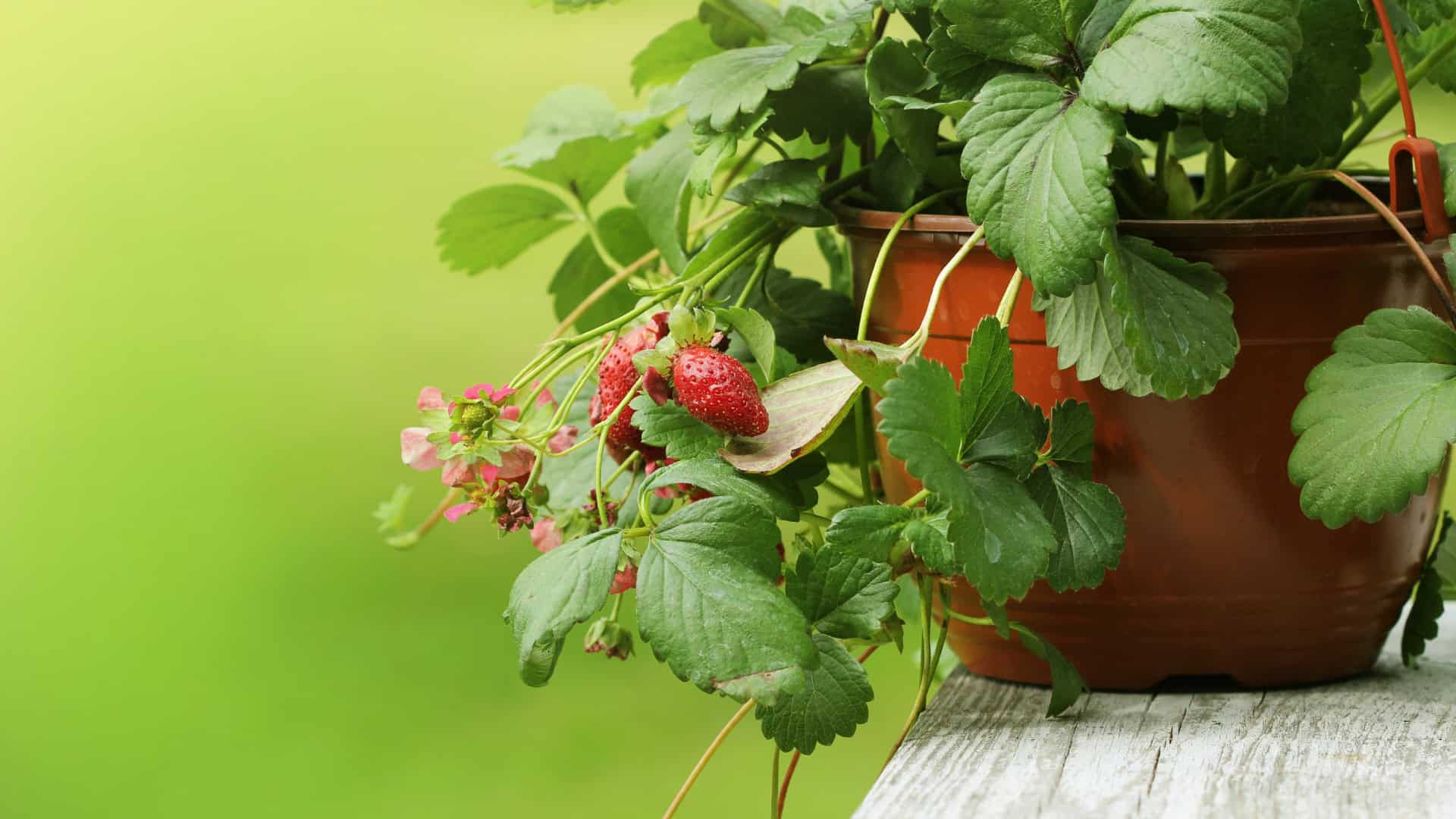
Food Forest Seed Bundle For a naturally sweet addition, we’ve included two unique varieties of wild strawberries: Alpine Wild Strawberry and White Soul Wild Strawberry. These compact plants produce small, flavorful berries, making them ideal as ground cover in a food forest setting. Their spreading habit helps protect the soil, retain moisture, and attract pollinators.
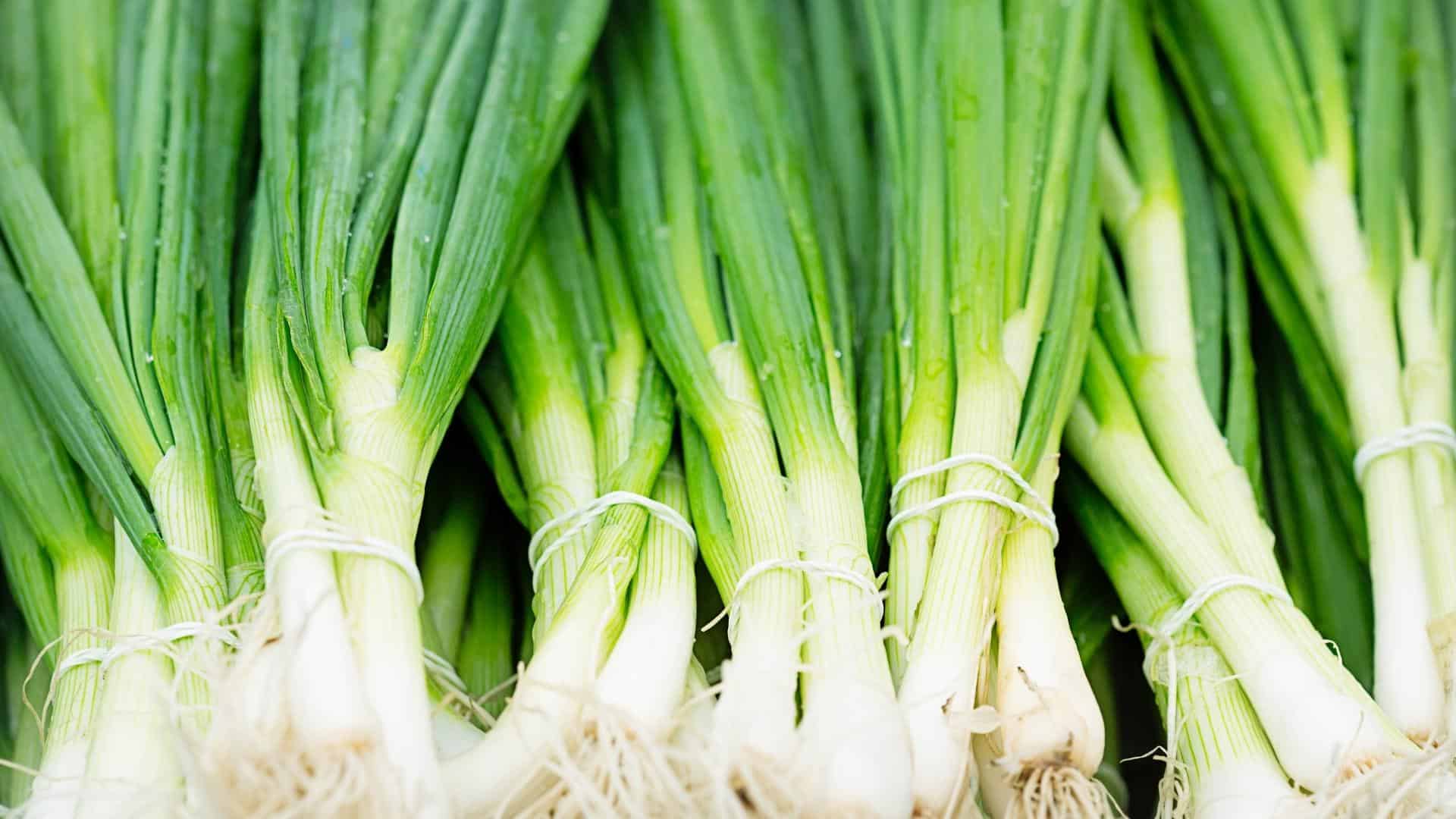
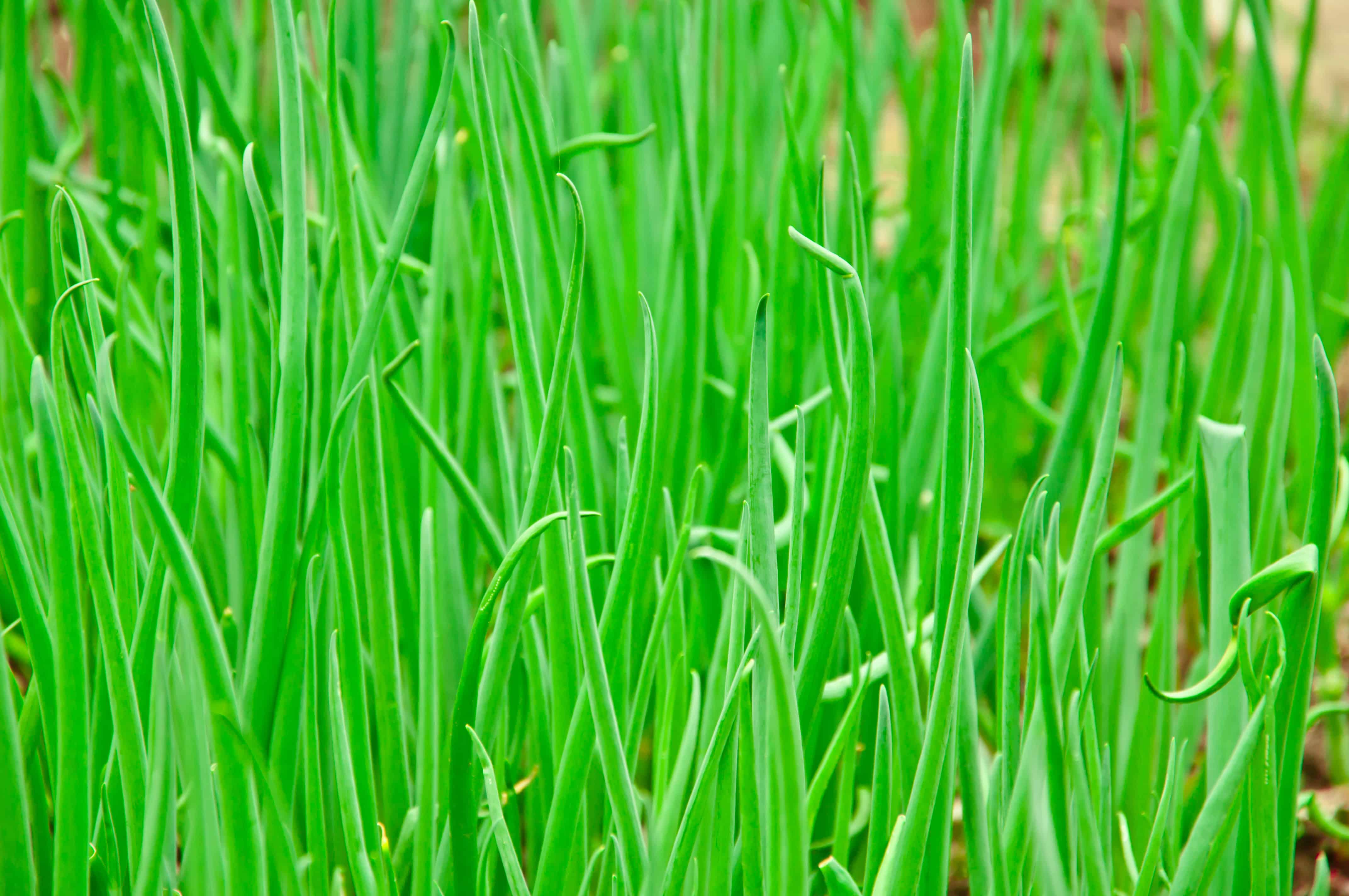
In the Allium family, Evergreen Onion and Garlic Chives bring savory, perennial greens that are excellent in soups, salads, and marinades. These low-maintenance plants deter pests, build soil health, and add layers of flavor to your harvest.
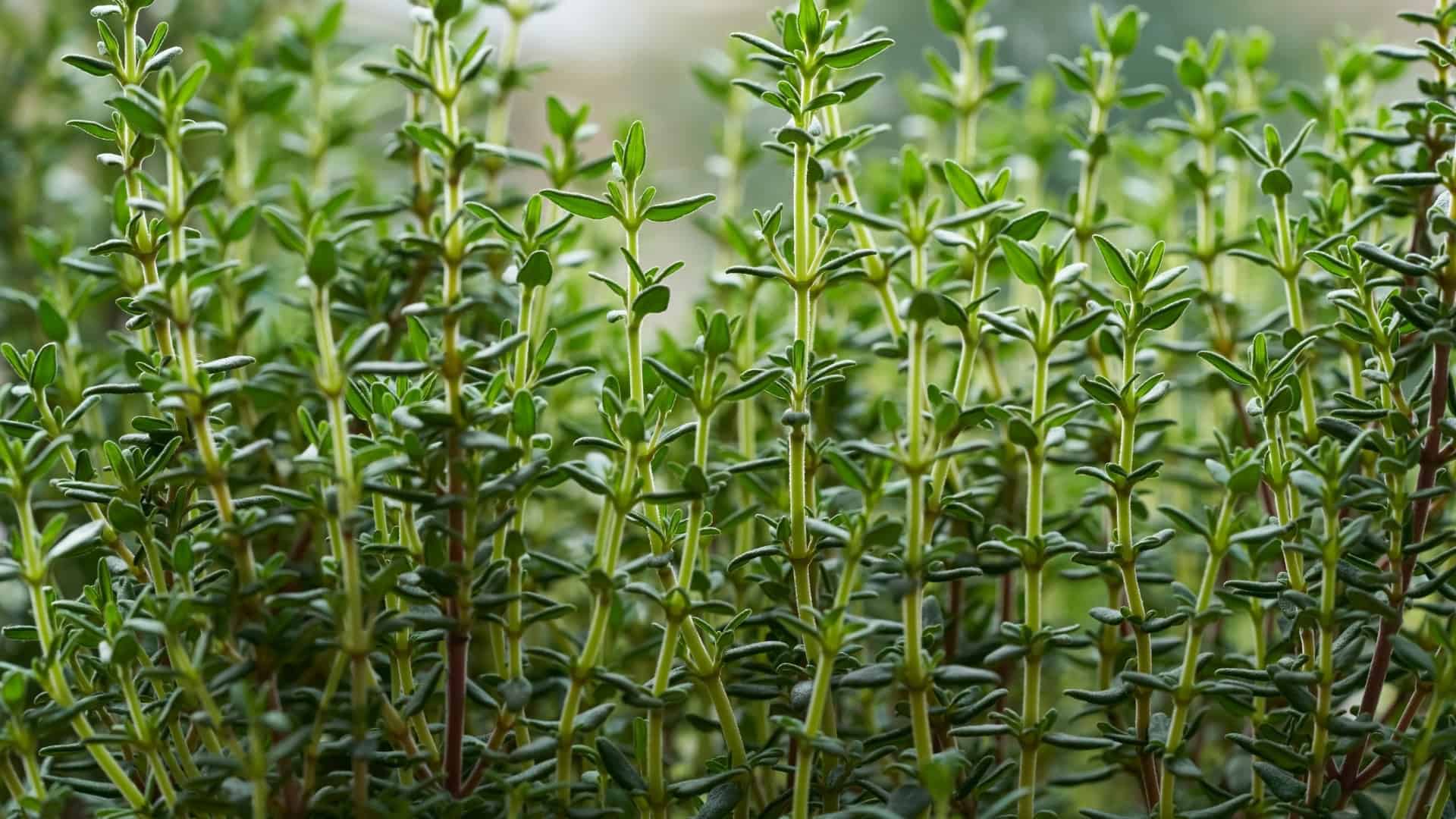
Lastly, Thyme is a hardy herb that enriches the food forest by releasing aromatic oils that repel insects. This low-growing, spreading herb is both beautiful and functional, providing a fragrant ground cover that pairs well with other forest plants and contributes to a well-rounded harvest.
Establishing your Alaska food forest is easy with these core plants—just add trees and shrubs to complete the canopy and add structure to the landscape. This bundle provides the foundation of a thriving, perennial-based system that will enhance biodiversity, promote soil health, and supply fresh harvests season after season.
Alaska Food Forest Seed Bundle
Building a food forest involves creating a layered, self-sustaining ecosystem where plants work in harmony to support each other, much like a natural forest. A well-designed food forest provides a continuous yield of food, herbs, and materials with minimal maintenance. Here’s how to start:
- Choose Your Site and Design
Select a sunny location with well-drained soil. In colder climates, consider a south-facing slope for optimal sunlight. Map out the space, planning for each plant’s needs, growth patterns, and the final size. Incorporate paths for easy access to each layer. - Layering Your Food Forest
Food forests mimic the structure of a natural forest, with each layer playing a unique role:Canopy Layer: The tallest trees, such as fruit or nut trees, form the canopy. In Alaska, consider hardy fruit trees like apples or plums.Understory Layer: Smaller trees and large shrubs grow beneath the canopy. These may include berry bushes or nitrogen-fixing trees that improve soil health.Shrub Layer: This layer includes mid-sized plants like currants or gooseberries, providing additional yields in limited spaces.- Herbaceous Layer: Perennial vegetables and herbs such as asparagus, rhubarb, and garlic chives fit here, adding flavor, nutrients, and ground cover.
- Ground Cover Layer: Low-growing plants, like thyme and wild strawberries, protect soil, prevent weeds, and retain moisture.
- Root Layer: Plants like garlic, onions, and other root crops fill this niche, providing underground harvests and helping aerate the soil.
- Vine Layer: Climbing plants like hardy kiwis or grapes can use the canopy and understory as support, maximizing vertical space.
By thoughtfully layering these elements, you create a resilient, regenerative system that mimics nature, supports biodiversity, and produces continuous yields. Over time, your food forest will become a low-maintenance oasis, sustaining itself and rewarding you with an abundance of fresh food.
- Asparagus
When to Start: Begin indoors 10-12 weeks before the last frost date.
Setup: Use deep pots or cell trays filled with a seed-starting mix, as asparagus roots grow long and need space.
Instructions: Soak the seeds in warm water for 24 hours before sowing. Plant each seed about 1/2 inch deep. Keep the soil consistently moist.
Germination: Seeds should germinate within 2-3 weeks and up to 3 months. - Rhubarb
When to Start: Start seeds 8-10 weeks before the last frost.
Setup: Use small pots with a well-draining seed-starting mix.
Instructions: Sow seeds about 1/4 inch deep and lightly cover with soil. Mist the soil to keep it evenly moist.
Germination: Rhubarb seeds typically germinate within 2 weeks. Place in a warm, bright spot. - Alpine Wild Strawberry and White Soul Wild Strawberry
When to Start: Start 8-10 weeks before the last frost.
Setup: Use small pots or seed trays with a fine seed-starting mix.
Instructions: Scatter seeds on the surface of the soil, gently pressing them in. Do not cover with soil, as strawberry seeds need light to germinate.
Germination: Expect germination in 2-3 weeks. Place under grow lights or in a sunny location. - Evergreen Onion
When to Start: Start indoors 8 weeks before the last frost.
Setup: Use seed trays or small pots with a well-draining seed-starting mix.
Instructions: Sow seeds about 1/4 inch deep and cover lightly with soil. Keep the soil consistently moist.
Germination: Seeds should germinate within 1-2 weeks. Ensure good airflow to prevent damping off. - Garlic Chives
When to Start: Start indoors 6-8 weeks before the last frost.
Setup: Use small pots or seed trays with a seed-starting mix.
Instructions: Sow seeds about 1/4 inch deep and cover lightly with soil. Mist the soil to keep it moist.
Germination: Seeds typically germinate in 1-2 weeks. Provide plenty of light as they grow. - Thyme
When to Start: Start indoors 6-8 weeks before the last frost.
Setup: Use small pots or seed trays with a fine, well-draining seed-starting mix.
Instructions: Sprinkle seeds on the soil surface and press them in lightly without covering, as thyme seeds need light to germinate.
Germination: Seeds should germinate within 1-2 weeks. Keep soil moist and provide ample light.
For garden tips: https://seedsandsoilorganics.com/category/alaska-gardening/
Asparagus: Minimum 10 Seeds per packet
Alpine Strawberry: Minimum 10 Seeds per packet
White Soul Strawberry: Minimum 10 Seeds per packet
Garlic Chives: Minimum 10 Seeds per packet
Thyme: Minimum 10 Seeds per packet
Rhubarb: Minimum 10 Seeds per packet
Evergreen Onion: Minimum 10 Seeds per packet
For garden tips: https://seedsandsoilorganics.com/category/alaska-gardening/
Alaska-Specific FAQs
What is a food forest?
A food forest is a perennial growing system that mimics nature by layering edible plants: trees, shrubs, herbs, and groundcovers-so they support one another and require minimal inputs.
Which crops are included in this Alaska Food Forest Bundle?
Typical inclusions are perennial herbs (thyme, chives), berries or small fruits (strawberry, rhubarb), and long-lived vegetables such as asparagus and evergreen onions all proven performers in Alaska’s cool climate.
When is the best time to plant a food forest in Alaska?
Late spring to early summer, once soils have warmed and danger of frost has passed, generally late May through early June in Southcentral Alaska.
How long until I see results?
Some perennials like chives and strawberries produce the first year, while crops such as asparagus and rhubarb take 3–4 years to establish before full harvest.
Does a food forest require special care?
Minimal once established. Annual mulching and weeding are recommended, but most plants overwinter naturally and expand each season.

Reviews
There are no reviews yet.