


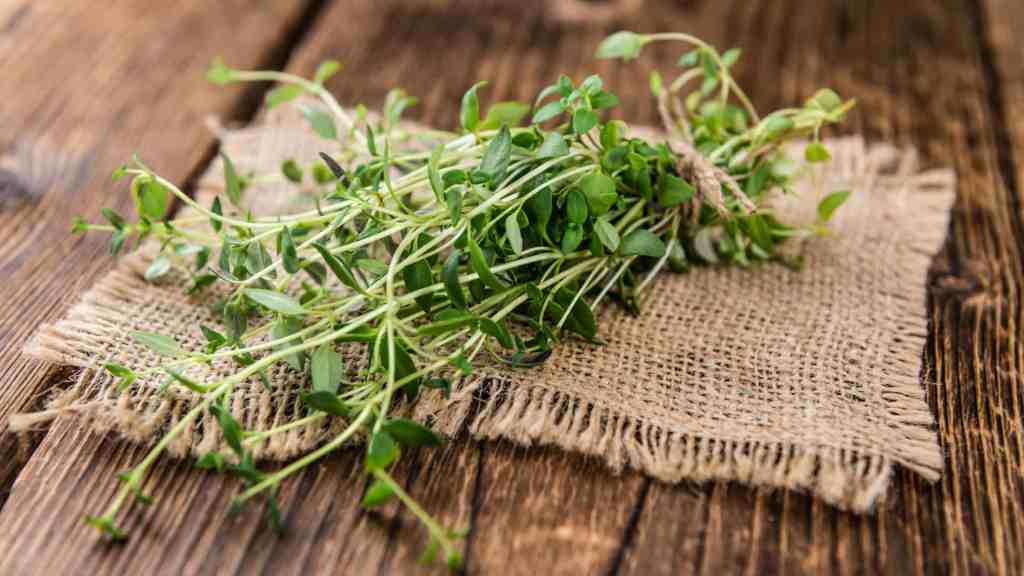
Thyme Seed
Growing Thyme: A Step-by-Step Guide from Seed to Garden
Thyme is a versatile and aromatic herb, perfect for adding flavor to your culinary creations. Growing thyme from seed can be rewarding, especially when you start it indoors and later transplant it into your garden. Here’s how to do it:
Step 1: Starting Thyme Seeds Indoors
1. Timing
Start thyme seeds indoors 8 to 10 weeks before the last expected frost date in your area. This gives the plants enough time to establish before transplanting outside.
2. Choosing a Container
Use seed trays, small pots, or any container with drainage holes. Fill the container with a light, well-draining seed-starting mix.
3. Sowing the Seeds
- Sprinkle thyme seeds evenly on the surface of the soil. Thyme seeds are tiny, so avoid burying them too deeply.
- Lightly press the seeds into the soil with your fingers, ensuring good contact without covering them completely.
- Mist the surface with water to moisten the soil.
4. Providing the Right Conditions
- Cover the container with a clear plastic lid or plastic wrap to create a humid environment, which helps in germination.
- Place the container in a warm spot, ideally between 60-70°F (15-21°C).
- Provide 12-16 hours of light per day using a grow light or by placing the container in a sunny window.
5. Watering and Care
- Keep the soil consistently moist but not waterlogged. Use a spray bottle to water gently.
- Once the seeds germinate (usually within 14-28 days), remove the plastic cover and continue to provide light.
6. Thinning
When the seedlings are about 2 inches tall and have a few sets of true leaves, thin them to prevent overcrowding. Leave the strongest seedlings, spacing them about 2 inches apart.
Step 2: Transplanting Thyme Outdoors
1. Timing
Transplant thyme outdoors after the last frost, when the soil has warmed up to at least 60°F (15°C). Thyme thrives in warm weather and well-drained soil.
2. Preparing the Garden Bed
- Choose a sunny location in your garden with well-drained soil. Thyme prefers slightly alkaline to neutral soil (pH 6.0-8.0).
- Amend the soil with compost to improve fertility and drainage if necessary.
3. Hardening Off
Before transplanting, harden off the seedlings by gradually exposing them to outdoor conditions over 7-10 days. Start by placing them outside for a few hours each day, gradually increasing the time and intensity of sunlight.
4. Transplanting
- Dig holes in the garden bed that are slightly larger than the root ball of your thyme seedlings, spacing the holes 12-18 inches apart.
- Gently remove the seedlings from their containers, being careful not to disturb the roots.
- Place each seedling in a hole, ensuring the top of the root ball is level with the soil surface.
- Fill in the hole with soil and gently press down around the base of the plant.
5. Watering and Care
- Water the newly transplanted thyme thoroughly to help establish the roots.
- Continue to water regularly but allow the soil to dry out between watering. Thyme is drought-tolerant and prefers slightly dry conditions once established.
- Mulch around the plants to retain moisture and prevent weeds, but avoid covering the crown of the plant.
6. Maintenance
- Trim thyme regularly to encourage bushy growth and prevent it from becoming woody.
- Harvest thyme as needed by snipping sprigs, but avoid cutting more than one-third of the plant at a time to ensure continuous growth.