


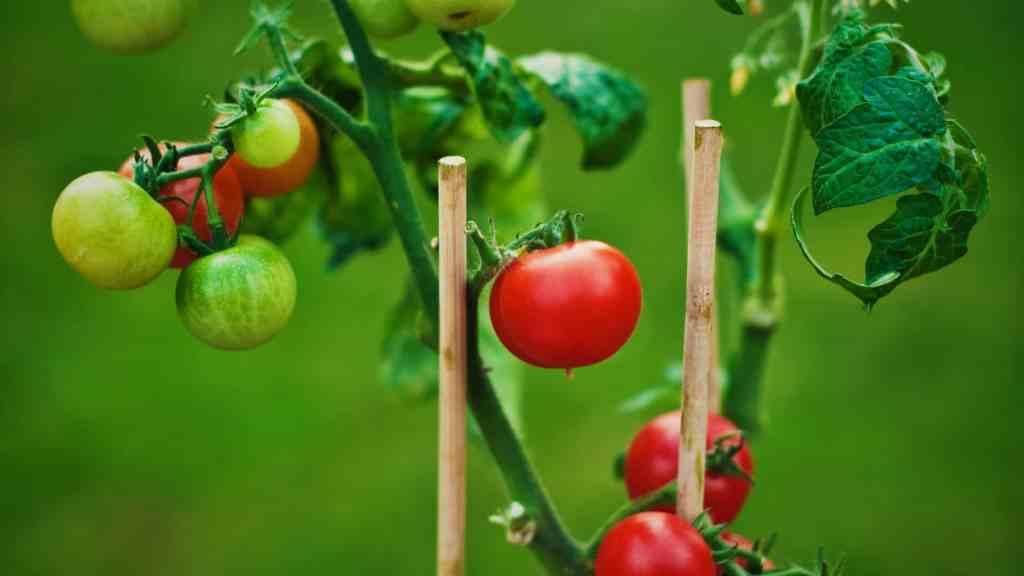
Slicing Tomato Seed Blend combines two delicious and dependable favorites: Black Krim and Brandywine, to bring flavor, color, and productivity to your garden. With this mix, you’ll enjoy early harvests from Brandywine alongside the stunning looks and rich taste of Pink Berkley, making it perfect for fresh slicing, sandwiches, and salads.
Slicing Tomato Seed Blend
-
Black Krim: Known for its striking dark skin skin, Black Krim produces medium to large fruits with outstanding flavor sweet, complex, and slightly tangy. This variety thrives in warm conditions and is prized for its beautiful appearance and gourmet taste.
-
Brandywine Tomato: One of the earliest-maturing heirloom slicers, Brandywine delivers round, smooth, deep red fruits with classic old-fashioned flavor. It performs especially well in cooler climates, producing consistently even when temperatures fluctuate.
Together, these two varieties provide a staggered harvest: Brandywine offers early fruits while Black Krim keeps the season going with heavy yields into late summer.
Starting Seeds Indoors
Start seeds 6–8 weeks before the last frost date. Sow ¼ inch deep in a high-quality seed-starting mix. Keep soil temperatures between 70–80°F for fast germination, usually in 5–10 days.
Once seedlings develop their first set of true leaves, transplant into larger containers to encourage strong root systems. Harden plants off gradually before moving them outdoors after frost danger has passed. Space plants 24–36 inches apart in rich, well-drained soil with full sun.
Growing & Harvesting
Both Black Krim and Brandywine tomatoes are indeterminate, meaning they produce fruit continuously until frost. Support plants with cages or stakes to handle heavy yields.
-
Brandywine: Harvest begins as early as 70 days after transplanting, providing some of the first slicers of the season.
-
Black Krim: Matures in about 90 days, offering beautiful, larger fruits with exceptional flavor for late-summer harvests.
Pick fruits as soon as they reach full color for the best taste and to encourage continuous production.
Minimum 10 Seeds per packet