Site icon Seeds and Soil Farm

Chamomile Seed (Chamaemelum nobile) Roman

Chamomile Seed

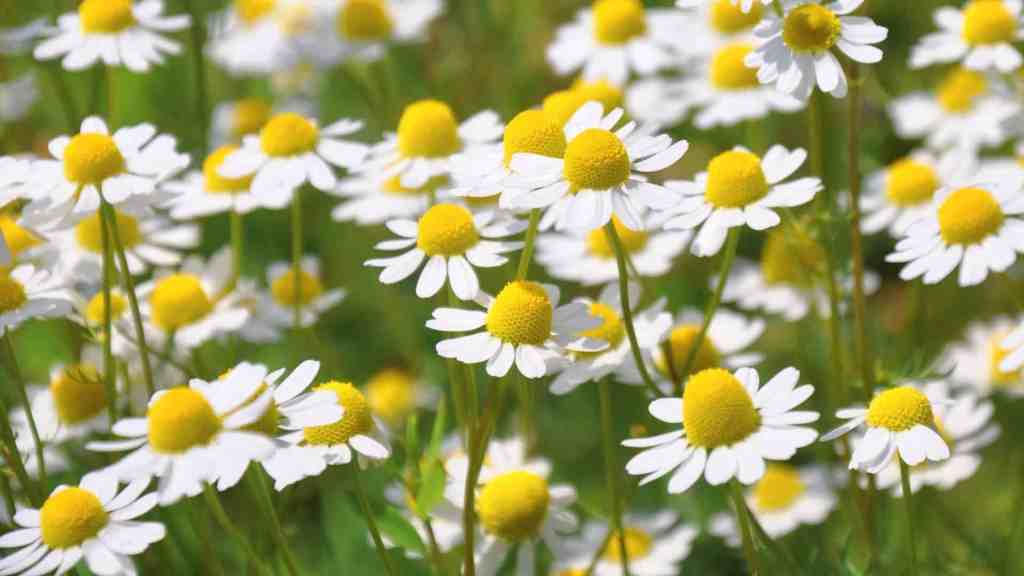
Embark on a Journey of Calm and Wellness with Our Premium Chamomile Seed! Cultivate the enchanting chamomile in your garden and experience the soothing and therapeutic properties of this time-honored herb. Our non-GMO, high-quality seeds are your gateway to a garden brimming with the gentle aroma and delicate blossoms of chamomile.

Garden’s Whisper of Calm Features:

Perfect for Wellness Aficionados, Garden Lovers & Environmental Stewards: Our Chamomile Seed is the perfect choice for those looking to cultivate tranquility in their garden, embrace natural wellness, and contribute to ecological sustainability.

Create Your Garden Sanctuary: Plant these seeds in well-draining soil under full sun to partial shade. Provide moderate water and bask in the peace and serenity that the chamomile brings to your garden and soul.

Garden tips and stories: https://seedsandsoilorganics.com/category/alaska-seed-company/

Minimum 10 seeds per packet (more like 20-50 as seeds are tiny)

My favorite seed bundle: https://seedsandsoilorganics.com/product/seed-alaska-herb-garden-bundle-6-types-enjoy-a-savings/

Starting Seeds Indoors

  1. Choose Appropriate Containers: Use shallow trays or small pots with drainage holes. Cleanliness is key to prevent diseases.
  2. Use a Seed-Starting Mix: Fill your containers with a fine, sterile seed-starting mix to promote delicate root and shoot growth.
  3. Planting Depth: Chamomile seeds require light for germination, so simply scatter the seeds on the surface of the soil and press them gently into the mix without covering them.
  4. Watering Technique: Keep the soil consistently moist but not soggy. A spray bottle is ideal for gently misting the soil, ensuring it stays hydrated without disturbing the tiny seeds.
  5. Light Requirements: Chamomile seedlings need plenty of light. Place them in a bright location or under grow lights for 14-16 hours a day to ensure strong, healthy growth.
  6. Temperature Conditions: The optimal temperature for chamomile germination is between 65-70°F (18-21°C). Maintain a stable temperature to encourage uniform sprouting.
  7. Transplanting Seedlings: Once the seedlings are several inches tall and have at least two sets of true leaves, they’re ready for transplanting. Begin hardening them off to outdoor conditions about a week before planting outside.

Planting Chamomile Outdoors

  1. Ideal Planting Time: Transplant chamomile seedlings outdoors after all danger of frost has passed, typically in late spring.
  2. Site Selection: Choose a location with full sun to partial shade. Chamomile does best with at least 4-6 hours of sunlight each day.
  3. Soil Preparation: Although chamomile is adaptable, it prefers well-draining soil. Lightly amend heavy clay soils with compost or sand to improve drainage.
  4. Planting Distances: Space chamomile plants about 6-8 inches apart. They don’t require much room and will spread to fill gaps.
  5. Watering Regimen: Water regularly to keep the soil evenly moist, especially during dry periods. Chamomile is relatively drought-tolerant once established but thrives with consistent moisture.
  6. Fertilizing Needs: Chamomile is not a heavy feeder. Avoid over-fertilizing; a light application of organic fertilizer at planting is sufficient for the growing season.
  7. General Care: Chamomile is low-maintenance. Pinch back the tips of the plants to encourage bushier growth and more flowering sites.
  8. Harvesting: Harvest chamomile flowers when they are fully open, typically in mid-summer. The flowers are best picked in the morning after the dew has dried but before the sun is high, to preserve the essential oils.

By following these basic steps for starting chamomile seeds indoors and transitioning them to the garden, you can enjoy the delightful blossoms and soothing properties of chamomile. This herb is perfect for teas, culinary uses, and as a gentle remedy for various ailments.

Exit mobile version