


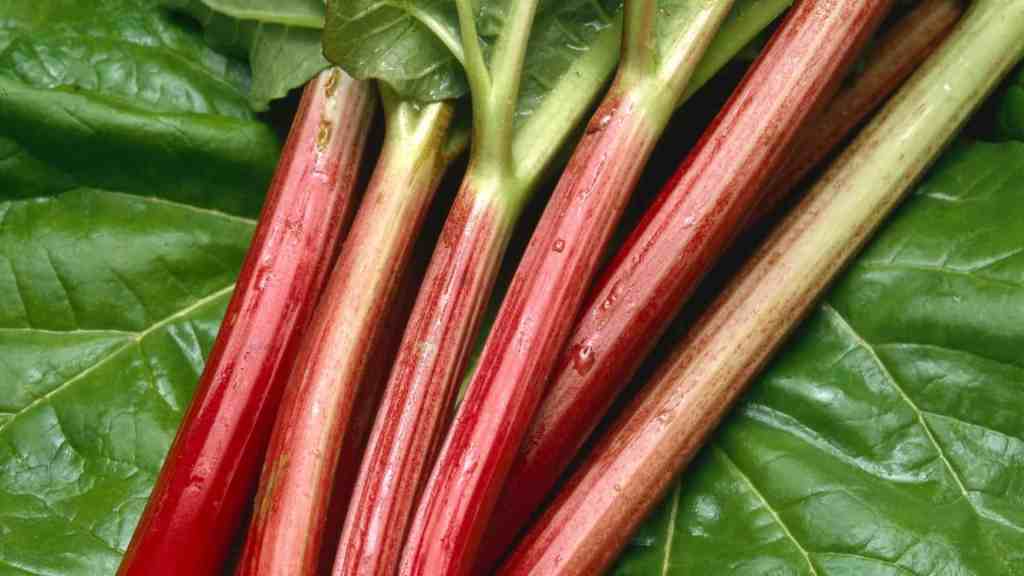
Victoria Rhubarb: A Royal Treat for Your Garden!
Welcome the queen of the rhubarb world into your garden. Victoria Rhubarb is a classic choice, known for its delightful taste and impressive yields.
Key Features:
- Regal Red Stalks: Victoria Rhubarb produces bright red stems that not only look magnificent but are packed with a tangy-sweet flavor.
- High Yields: This variety is known to be prolific, ensuring a generous harvest season after season.
- Historic Variety: With a lineage dating back to the 19th century, Victoria Rhubarb offers a taste of history.
- Perfect for Pies and More: Its tartness makes it ideal for pies, jams, and even savory dishes!
Planting & Care Guide:
- Soil Prep: Rhubarb loves well-draining soil. Enriching with compost can give it a great start.
- Sun Needs: Position your rhubarb where it will get full sunlight, around 6-8 hours daily.
- Planting Depth: Plant crowns about 2 inches deep, spacing them 3-4 feet apart to give them room to flourish.
- Watering: Keep the soil consistently moist, especially in dry periods. But avoid over-watering as rhubarb doesn’t like wet feet.
Harvesting Tips:
- Begin harvesting in the second year to allow the plant to establish itself in the first year.
- Pull stalks rather than cutting them to harvest.
- Remember, rhubarb leaves are toxic, so only eat the stalks!
A Bit of History:
Victoria Rhubarb is named in honor of Queen Victoria. It has graced gardens and tables for over a century, bringing a regal touch to dishes.
Ready to turn your garden into a royal court of flavors? Choose Victoria Rhubarb and savor the legacy of this age-old favorite
Minimum 10 seeds per packet
For garden tips: https://seedsandsoilorganics.com/category/alaska-seed-company/
Growing Rhubarb
Soil Preparation
- Soil Type: Rhubarb thrives in well-draining, fertile soil with a pH between 6.0 and 6.8.
- Soil Preparation: Work organic matter, such as compost or well-rotted manure, into the soil to improve its texture and fertility. Rhubarb benefits from rich soil, as it is a heavy feeder.
Seed Starting Indoors
Materials Needed
- Seed starting trays or pots
- Seed starting mix
- Rhubarb seeds
- Watering can or spray bottle
- Plastic wrap or a humidity dome
- Grow lights or a sunny windowsill
Steps
- Timing: Start rhubarb seeds indoors 8-10 weeks before the last expected frost date.
- Fill Trays: Fill seed starting trays or pots with a high-quality seed starting mix.
- Sow Seeds: Sow rhubarb seeds about ½ inch deep in the seed starting mix.
- Water: Moisten the soil gently with a watering can or spray bottle. Ensure the soil is damp but not waterlogged.
- Cover: Cover the trays with plastic wrap or a humidity dome to retain moisture and create a warm environment.
- Light: Place the trays under grow lights or in a sunny windowsill. Rhubarb seeds need light to germinate and grow best with 14-16 hours of light per day.
- Temperature: Maintain a consistent temperature of 70-75°F (21-24°C) for optimal germination.
- Germination Time: Rhubarb seeds typically germinate in 10-20 days.
- Watering: Keep the soil consistently moist but not waterlogged. Water from the bottom if possible to avoid disturbing the seedlings.
Transplanting
- Timing: Once seedlings have developed 3-4 true leaves and the danger of frost has passed, harden them off by gradually exposing them to outdoor conditions over a week.
- Spacing: Transplant the seedlings into the garden, spacing them 3-4 feet apart in rows 4-6 feet apart. Rhubarb plants need plenty of space to grow.
Watering
- Frequency: Keep the soil consistently moist, especially during dry periods. Rhubarb requires regular watering to develop large, tender stalks.
- Technique: Water at the base of the plants to avoid wetting the foliage, which can help prevent disease.
Fertilizing
- Initial Fertilization: Incorporate a balanced, slow-release fertilizer into the soil at planting time.
- Ongoing Fertilization: Side-dress with a balanced fertilizer or compost tea in early spring and again in mid-summer to support vigorous growth.
Care
- Weeding: Keep the area around the plants weed-free to reduce competition for nutrients and water. Hand-pull weeds to avoid disturbing the shallow roots of the rhubarb plants.
- Mulching: Apply a layer of organic mulch around the plants to help retain soil moisture and suppress weeds.
Dividing Rhubarb
- Timing: Rhubarb plants need to be divided every 3-4 years to maintain their vigor and productivity.
- Method:
- In Early Spring: Before the plants begin to grow, dig up the entire rhubarb crown.
- Division: Use a sharp knife or spade to divide the crown into sections, ensuring each section has at least one strong bud and some roots.
- Replanting: Replant the divisions immediately, spacing them 3-4 feet apart, and water them thoroughly.
Pests and Diseases
- Pests: Watch out for rhubarb curculio (a type of beetle). Handpick beetles if you see them.
- Diseases: Rhubarb can be susceptible to crown rot and leaf spot. Ensure good air circulation and avoid overhead watering to minimize disease risks. Remove any diseased leaves promptly.
Harvesting
- Timing: Do not harvest rhubarb in the first year to allow the plants to establish. In the second year, harvest lightly. From the third year onwards, harvest regularly from late spring to early summer.
- Method: Harvest by pulling and twisting the stalks away from the base of the plant, rather than cutting, to avoid damaging the crown. Never harvest more than one-third of the stalks at a time to ensure the plant remains healthy.
Storage
- Preparation: After harvesting, trim the leaves from the stalks. Remember, rhubarb leaves are toxic and should not be eaten.
- Storage Conditions: Store rhubarb stalks in the refrigerator for up to two weeks. For longer storage, rhubarb can be frozen after cutting into pieces and blanching.
By following these steps and taking care to divide the plants every 3-4 years, you’ll be able to grow healthy, productive rhubarb plants that will provide a delicious and nutritious addition to your garden and your meals for many years.